As Seoul and its autonomous districts elect their leaders every four years, the fates of senior civil servants shift with each election result — yet experts say inclusive leadership serves the public better than drawing battle lines within the bureaucracy.
More than 30 years have passed since local self-governance was restored in South Korea. The system of directly electing mayors and district mayors has taken firm root, but elections held every four years continue to bring significant change to the civil service.
When an elected head of government changes, the roles and standing of civil servants can shift dramatically.
This is particularly true in Seoul, where the administrative structures of the city government and its autonomous districts are closely intertwined, making civil servants' work histories and personal relationships subject to wide interpretation after each election.
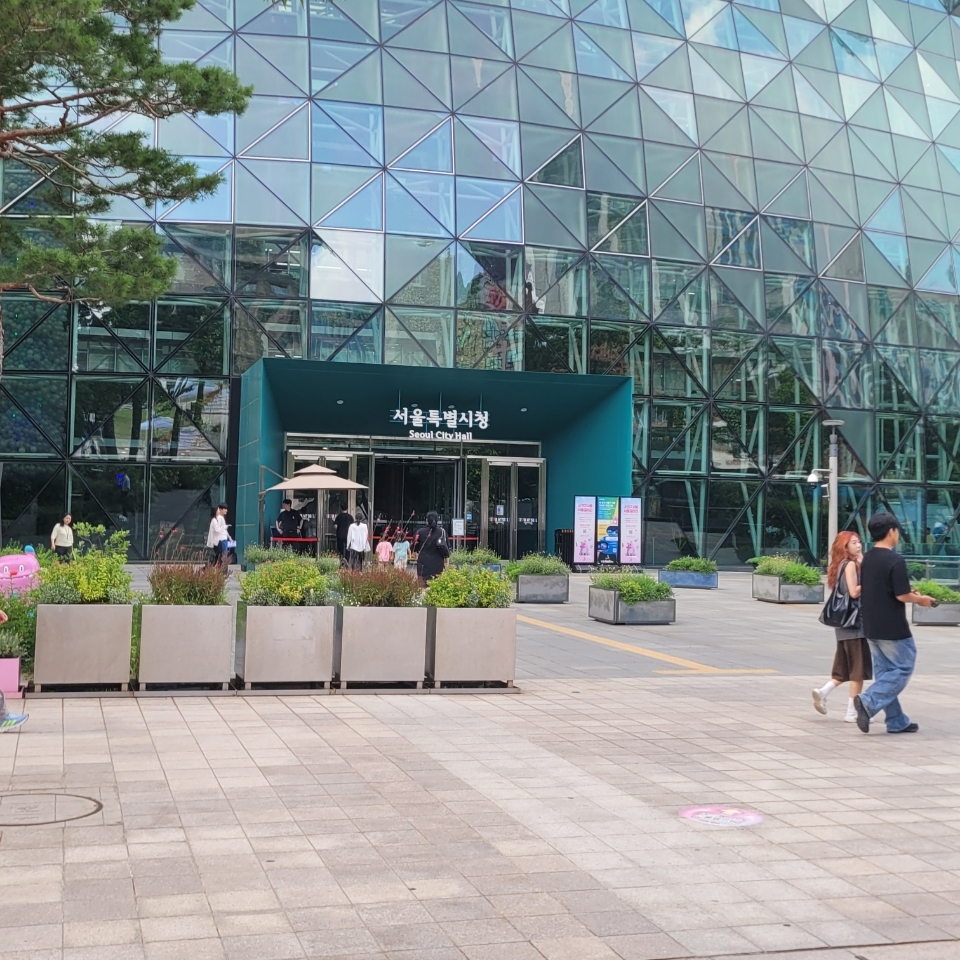
Following this year's local elections, four senior Grade 1 officials at the Seoul Metropolitan Government submitted their resignations, and three have since left public service.
"Before the election, there was a prevailing sense that a particular candidate was likely to win," a senior Seoul city official said. "But when the result turned out differently from expectations, various interpretations and assessments followed — and it seems that ultimately contributed to some senior officials stepping down."
There is also another dimension to the departures at the city level: Mayor Oh Se-hoon's historic election to an unprecedented fifth term prompted the administration to accept resignations from Grade 1 officials in order to open up promotion opportunities for staff as the ninth directly elected city government gets under way.
The situation is even more sensitive at the district level.
Because the administrative units are relatively small, the personal relationships and work histories built up over more than three decades of working together inevitably become common knowledge. As a result, the mood within the civil service can shift considerably depending on the election outcome.
In practice, at one autonomous district following this election, the head of the media relations team was reassigned to a different department during a performance review.
At another district, by contrast, the media relations chief moved into a key post after the administrative director overseeing personnel was replaced.
Because the media relations chief is most directly responsible for conveying the head of government's policy philosophy, personnel changes in that role frequently follow whenever a new leader takes office.
On the other hand, when an incumbent district mayor wins a second or third consecutive term, civil servants who performed well are often rewarded with promotions.
Ultimately, the system is one in which the fortunes of civil servants doing the same job can diverge sharply depending on the election result.
"Civil servants are people who carry out their assigned duties for residents," a senior official at one autonomous district said. "But when the head of government changes, some end up facing difficulties they never intended — caught up in rumors or misunderstandings that arose during the campaign."
As local self-governance matures, striking the right balance between political accountability and administrative continuity is becoming an increasingly pressing challenge.
Elected leaders deserve to have the public's choice respected, but the civil service must also be guaranteed the professional expertise and administrative continuity it needs, free from political considerations.
Politics may change every four years.
But governance in the service of citizens cannot stop for a single day.
For local self-governance to reach the next level of maturity, a civil service culture must also take hold — one in which dedicated public servants are not made political scapegoats or unnecessary casualties, regardless of how the election turns out.
seouldream01@heraldcorp.com