"Sports activities for deaf and hard-of-hearing people play an important role not only in promoting health but also in expanding social participation."
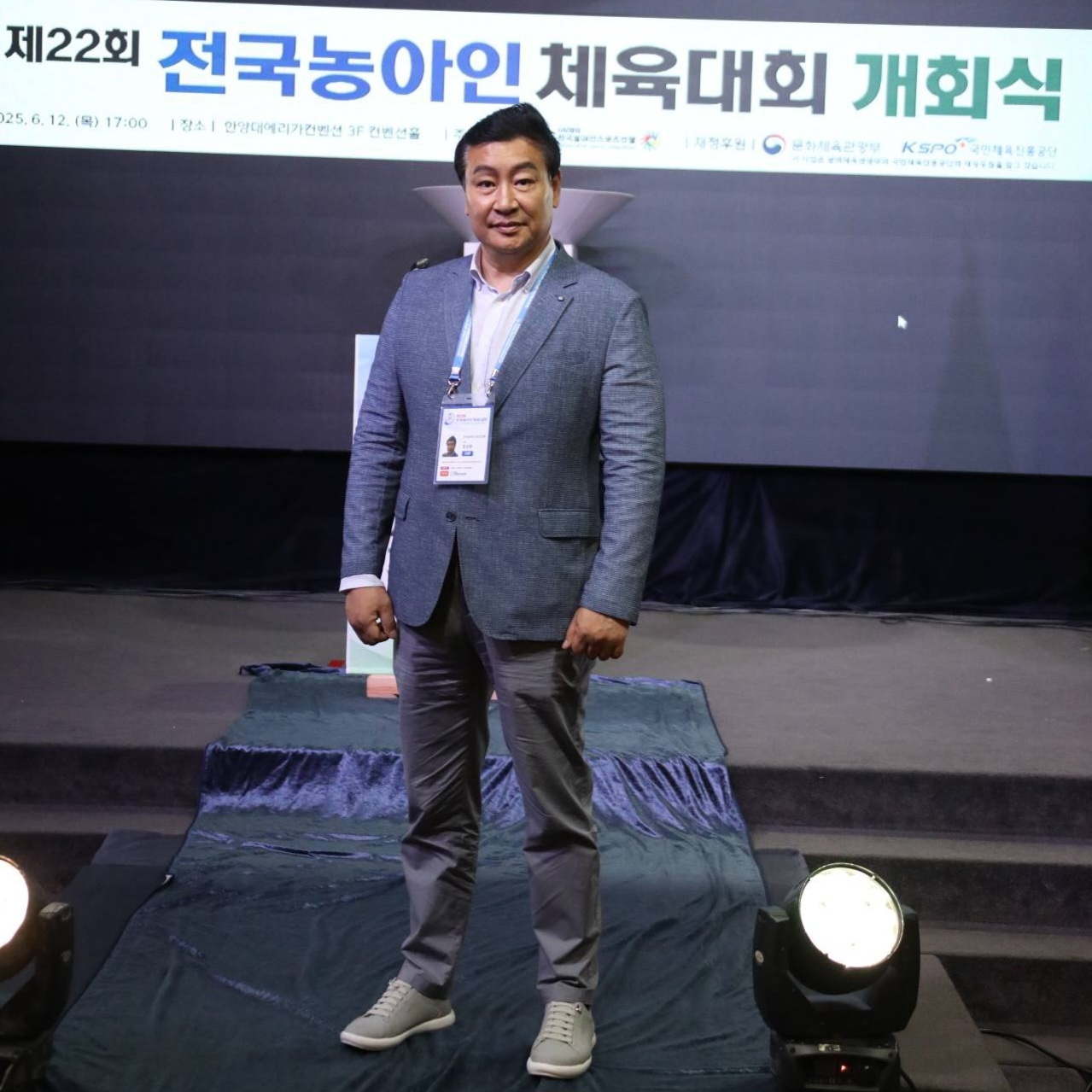
Jung Sang-hwa, senior vice president of the Korea Deaf Sports Federation, said that for deaf sports to develop sustainably, a foundation must be built that allows elite and recreational sports to grow in balance. He said systematic support is needed across the full arc of an athlete's life — from identifying young talent to training national team members, competing in international events and planning careers after retirement.
The Korea Deaf Sports Federation is a nonprofit incorporated association established on Dec. 14, 2016, and is a full member organization of the Korea Paralympic Committee by category. It operates with the goal of promoting health and expanding social participation through sports for deaf and hard-of-hearing people.
The federation represents South Korean deaf sports as KDSF, the Korean member body of the International Committee of Sports for the Deaf (ICSD), which governs the Deaflympics — the world games for deaf athletes.
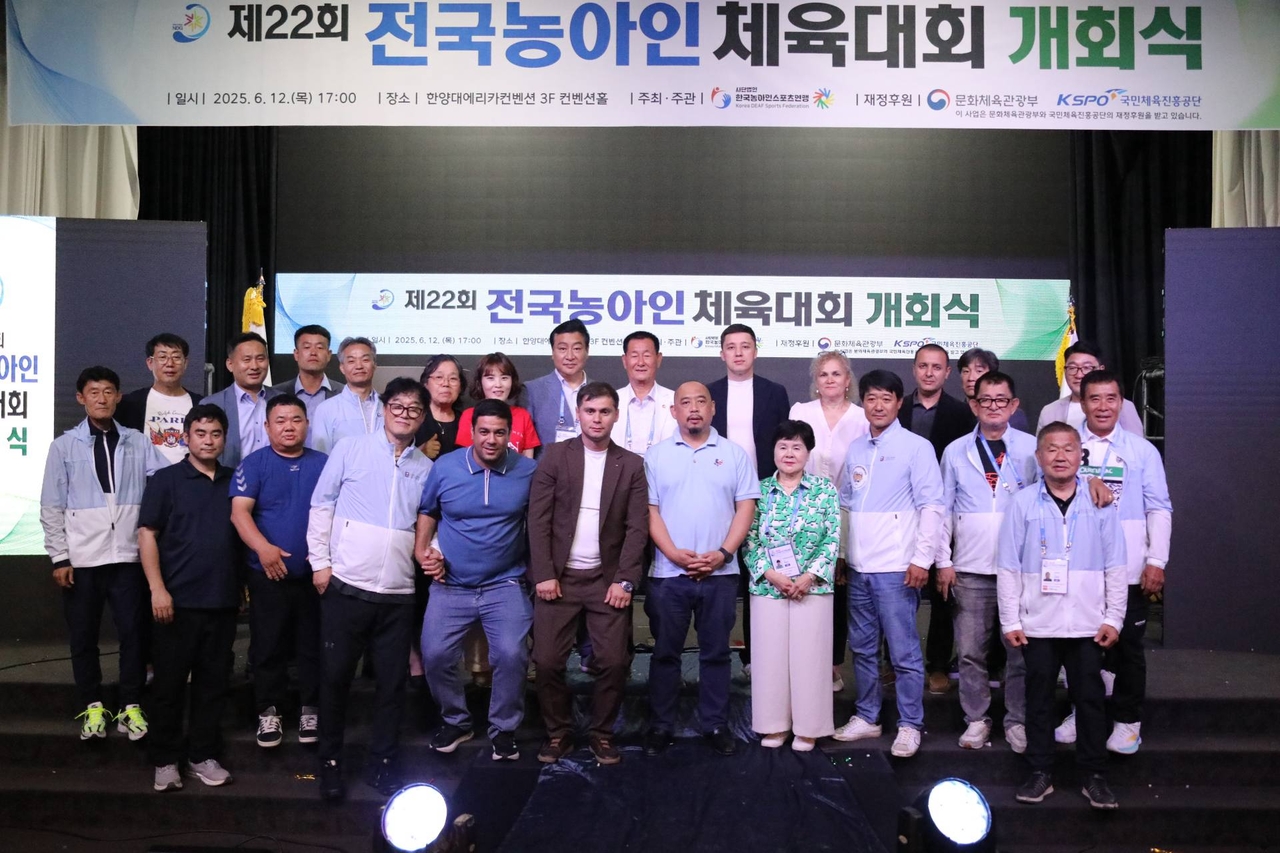
Its main activities include supporting participation in international competitions such as the Summer and Winter Deaflympics and the Asia Pacific Deaf Games, hosting the National Deaf Sports Festival, spreading recreational sports programs and training sign-language interpreters with sports-specific expertise. The federation has also been pursuing initiatives to promote entrepreneurship among deaf and hard-of-hearing people, including in the sports sector.
Jung cited expanding the athlete base as a key challenge for advancing deaf sports. He said deaf students with athletic talent should be identified early, and that schools, local sports facilities and sport-specific organizations should be linked together to support those students in developing into competitive athletes.
"We need to go beyond simply supporting participation in international competitions and create an environment where athletes can train with stability," he said. "Sustained improvement in performance requires systematic support for coaches, training facilities, equipment and international competition experience."
Jung also identified communication problems at training sessions and competitions as an issue that must be addressed. He said the federation must continue training sign-language interpreters who understand sport-specific rules and terminology so that deaf athletes can fully receive instructions from coaches and explanations from referees.
'Recreational sports participation base must be broadened'
Jung said the federation must broaden the recreational sports participation base alongside developing elite athletes. He said community-centered programs and exercise opportunities by sport should be expanded so that deaf and hard-of-hearing people — not just competitive athletes — can easily take part in physical activity where they live.
Sports promote physical health for deaf and hard-of-hearing people while also playing an important role in social participation, relationship-building and self-confidence. Jung said that as the recreational sports base expands, more deaf and hard-of-hearing people will be able to experience the value of sports in their daily lives.
He also identified post-retirement career paths and employment as a challenge to be resolved. He said a career foundation should be established so that deaf athletes can remain active in sports after retiring — as coaches, referees or sports administrators — and that support connecting them to entrepreneurship and economic activity should also be expanded.
"Deaf sports can only develop sustainably when the international competitiveness of elite sports and the broadening of the recreational sports base advance together," Jung said. "We will work to create an environment where any deaf or hard-of-hearing person can participate in sports without communication barriers."
7toy7@heraldcorp.com