We see the world through food. Welcome to Midam, stories worth savoring. The day humans first mastered fire, the first chef was born. For more than a million years, they have woven culture into cuisine. These are the stories of the oldest artists in the pursuit of gastronomy — the chefs.
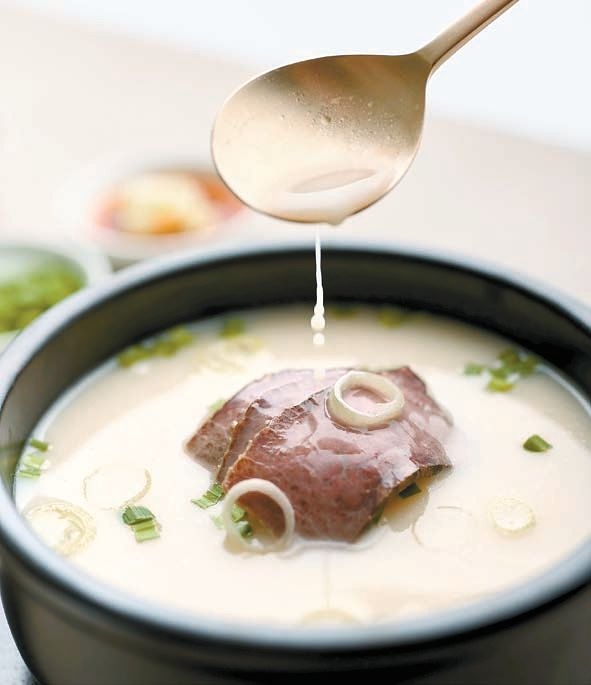
Some of South Korea's most celebrated chefs have been opening gomtang restaurants one after another. The pairing of fine-dining chefs — long synonymous with high culture — with the humble beef bone soup is as unexpected as wine alongside makgeolli. Yet these chefs insist that gomtang is the very essence of hansik, a dish that distills time itself and best captures the appeal of Korean cuisine.
Each chef's take on gomtang is distinctly their own, and so are their reasons for embracing it. One dreams of taking hansik global; another speaks of making fine dining accessible to all; a third seeks to rediscover Korean food anew. What ultimately draws them together is a shared recognition of the Korean values embedded in a bowl of gomtang.
Gomtang carries the Korean aesthetic of restraint and patient endurance. At first glance it appears simple — beef simmered in water — but it is anything but easy. The ingredients are spare: beef, water, a pinch of salt. There is nowhere to hide a flaw. A great gomtang demands hours over a low flame, coaxing every nuance from the ingredients. It is harder precisely because it is simple, and more honest precisely because it is unadorned.
Gomtang: the next star food to lead hansik to the world
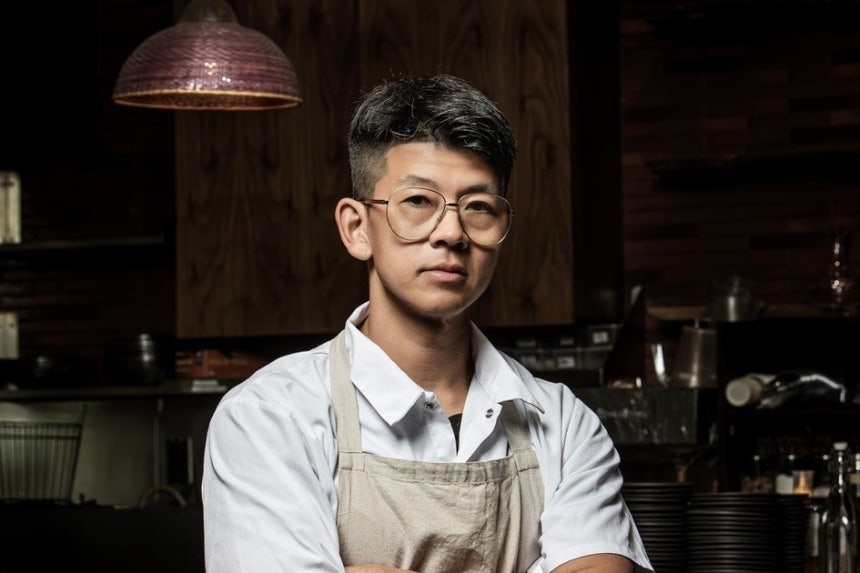
Known as a "five-Michelin-star chef," Lim Jeong-sik is a towering figure in Korean gastronomy — his New York restaurant Jungsik holds three Michelin stars, while the Seoul location holds two. Through meticulous, refined cooking, he pioneered a genre he calls "New Korean," steadily expanding the horizons of hansik.
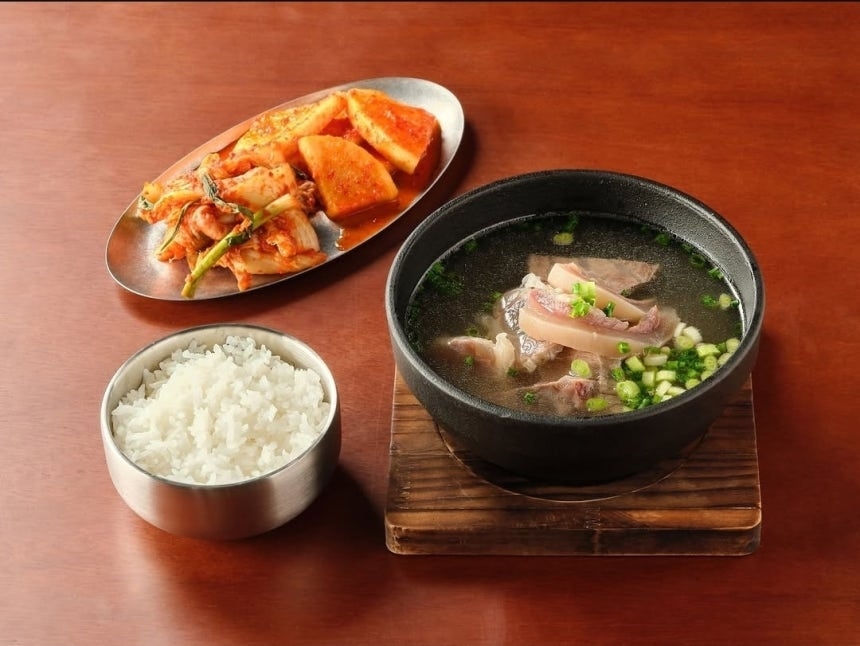
Gomtang Lab, which Lim opened in 2024, is more than a restaurant to him. He believes gomtang can become the next-generation star food that leads hansik onto the world stage. The word "Lab" in the name reflects his commitment to continuously researching new forms of gomtang capable of winning over palates around the globe.
"For hansik to go mainstream worldwide, what we need is not a star chef but a star food," he said. "I believe gomtang can be that food. Vietnam's pho, Italy's pizza, Japan's sushi — the emergence of a star food has always been the starting point for a country's food culture going global. Korea needs its own star food to drive hansik into the mainstream."
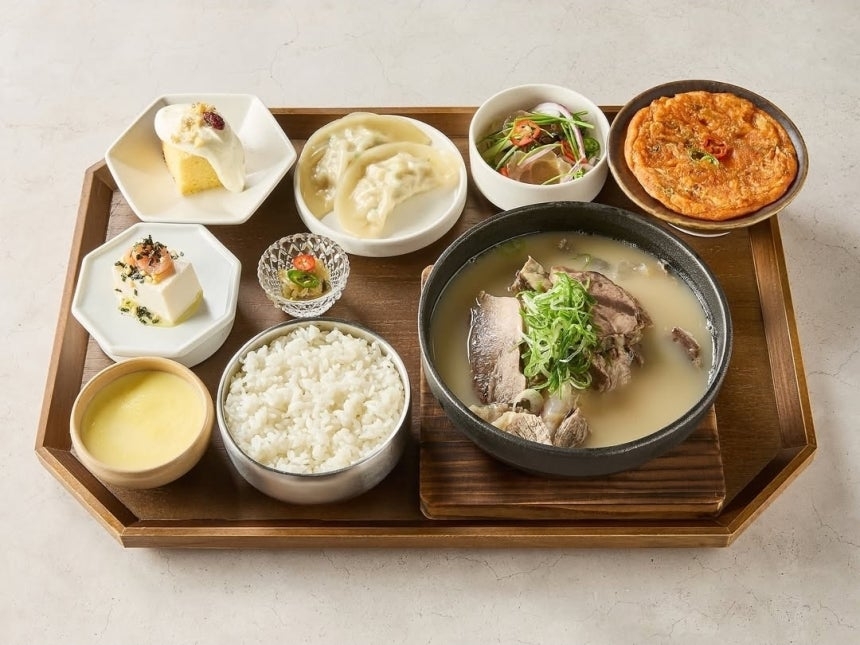
The signature dish at Gomtang Lab is the collagen bone broth gomtang. The first spoonful delivers an almost startling richness — the broth is so thick with collagen it clings to the lips. That dense stock, made by simmering beef bones, tendons, trotters and oxtail for more than 10 hours, defines the dish. The restaurant also pushes the boundaries of gomtang with a clear beef gomtang, tripe gomtang and a clam-based gomtang, each built on a different broth.
In keeping with his vision of gomtang going global, Lim proposes wine pairings. A Burgundy pinot noir, with its gentle acidity, strikes a surprisingly harmonious note against the deep, rich broth — a deliberate strategy to lower the psychological barrier to gomtang by anchoring it to a familiar beverage. That approach earned Gomtang Lab a place in the Michelin Guide Bib Gourmand last year.
Fine dining is not a privilege — gomtang brings gastronomy into everyday life
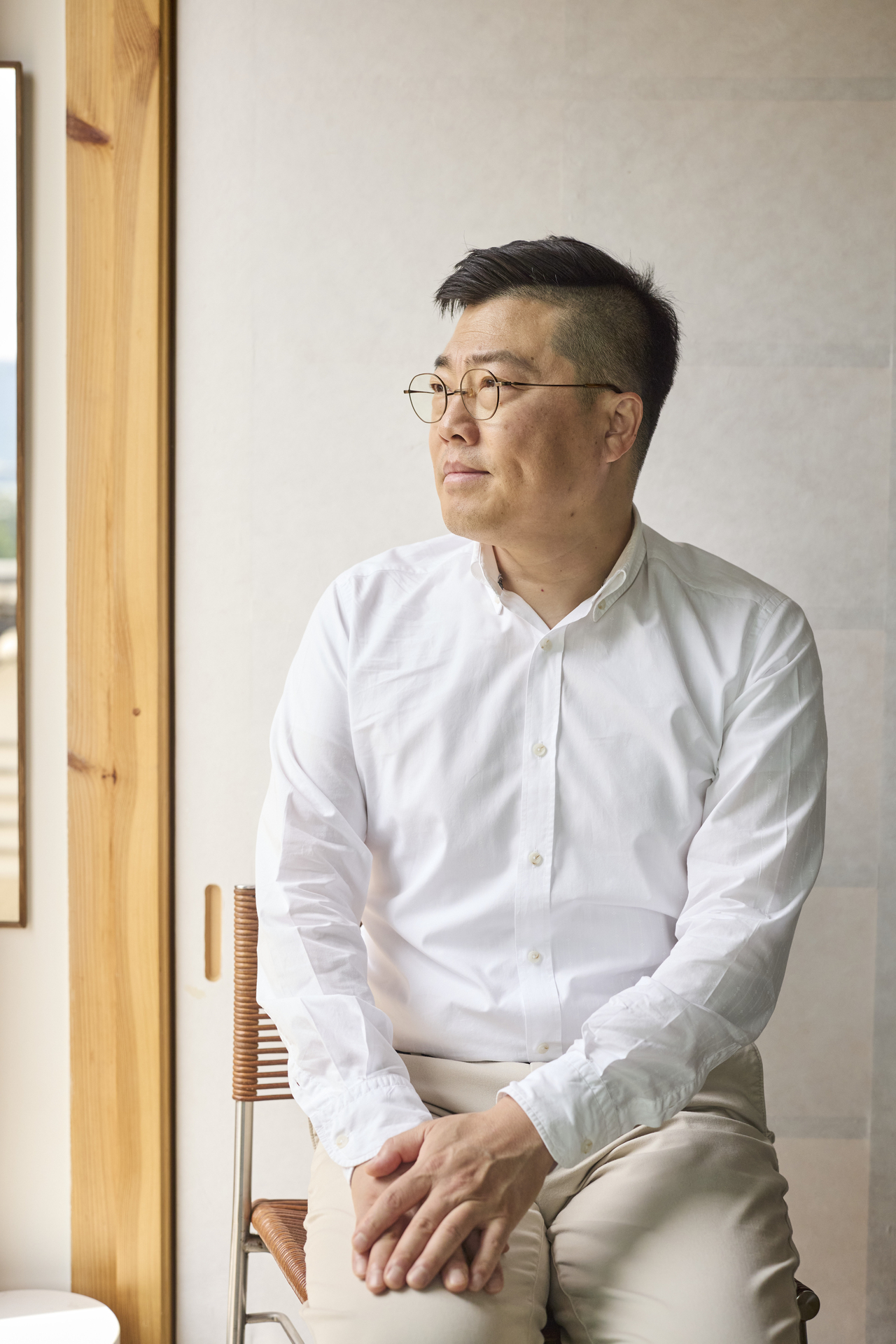
Gaon, the first restaurant in South Korea to earn three Michelin stars, recently opened a gomtang restaurant called Gaon Gaok near Seoul Arts Center. Kim Byung-jin, the chef who put Gaon on the Michelin map, said the restaurant chose gomtang in pursuit of making fine dining an everyday experience. The kitchen applies top-tier fine-dining techniques while keeping prices at the level of an ordinary gomtang shop — a reflection of the philosophy that everyone deserves access to great food without hesitation.
"Gomtang is not a showy dish," Kim said. "But I believed it was the food that could best represent hansik. A great gomtang cannot be completed without quality ingredients, sufficient time and unwavering care. Because the broth alone must speak for everything, I think it is the most honest form of hansik."
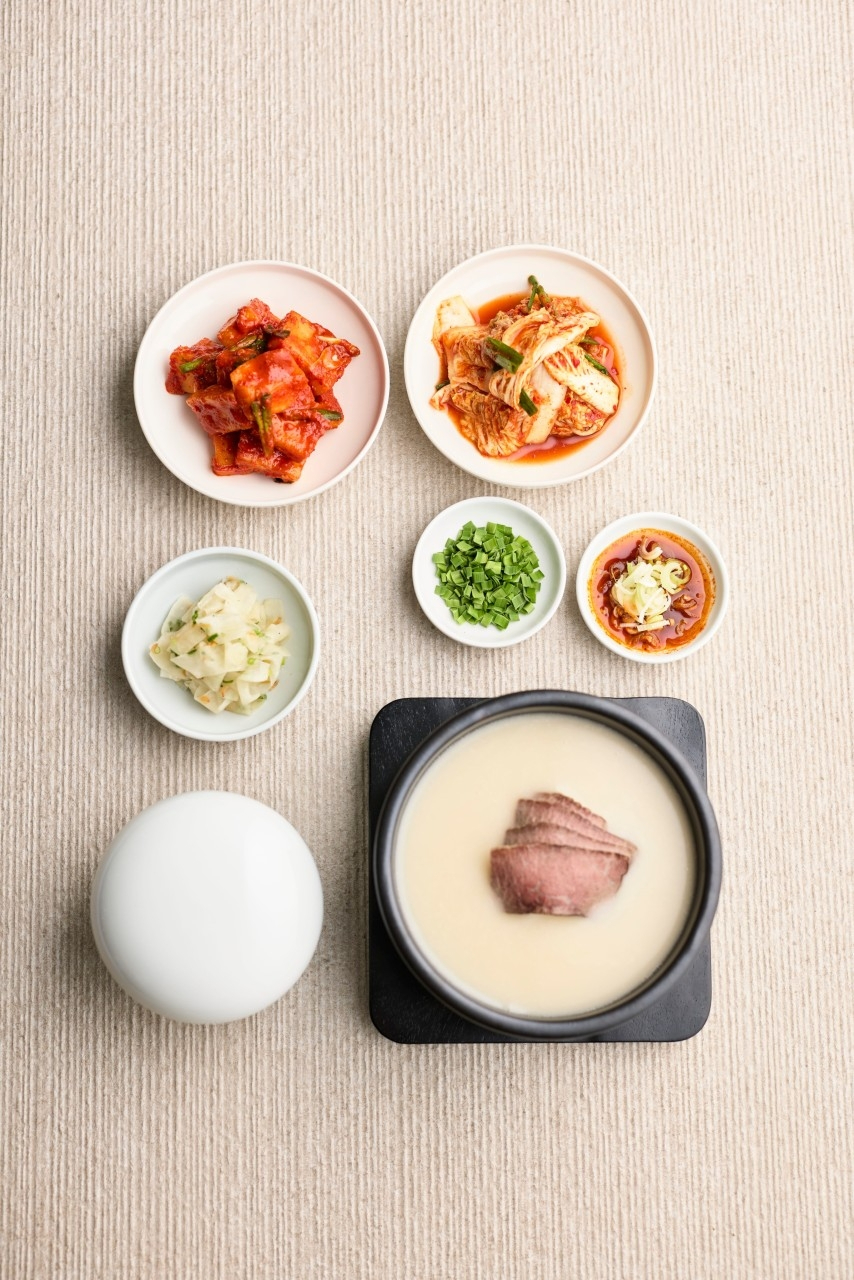
The process behind Gaon Gaok's gomtang sets it apart from the start. A milky broth made by simmering Korean beef bones and chicken for 36 hours is blended with a clear stock drawn from Korean beef brisket and dried kelp. The result tempers the heaviness typical of bone broth gomtang while amplifying its umami and smooth finish. Sous-vide Korean beef is added as a garnish, raising the dish to another level of refinement.
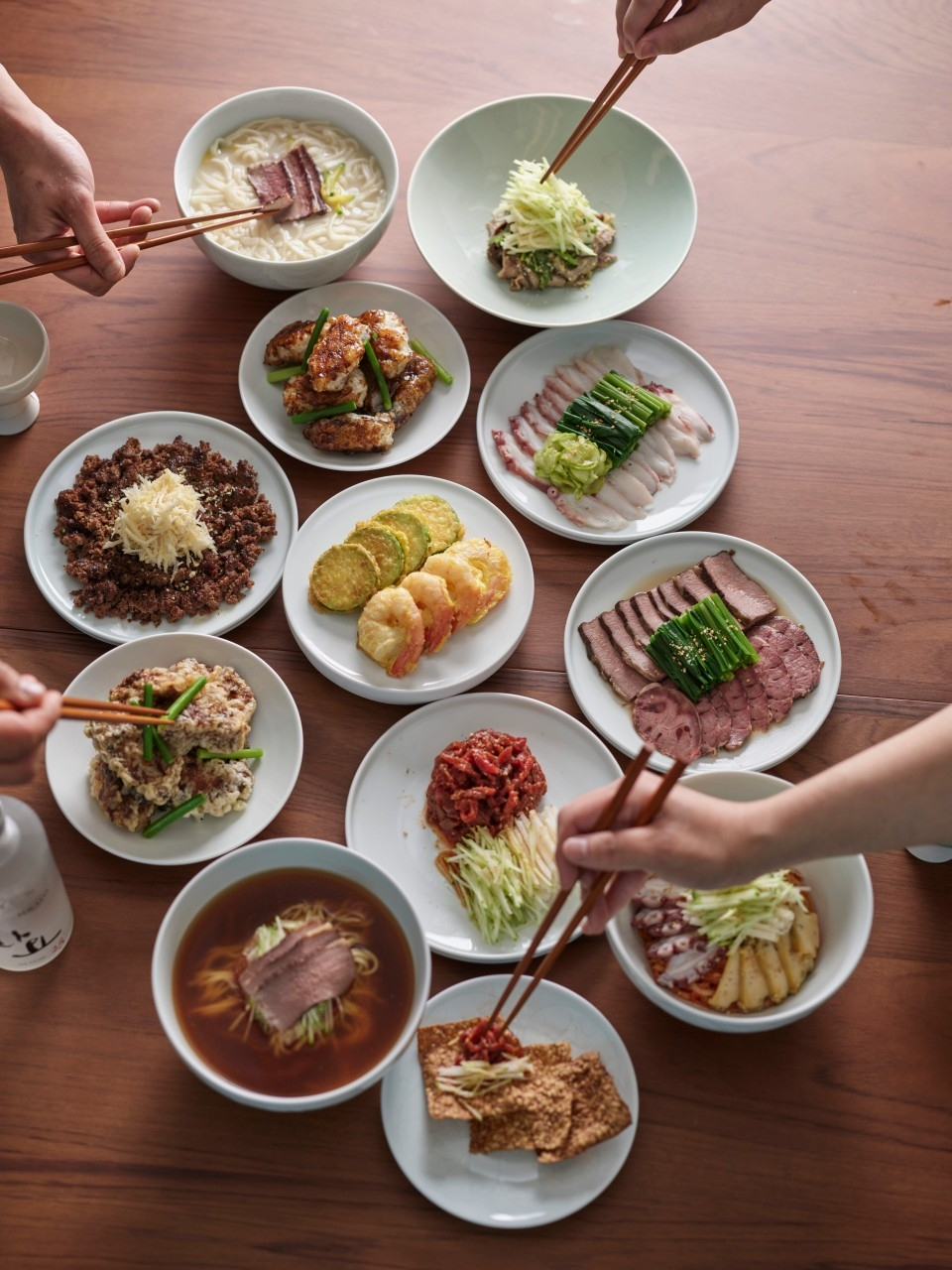
All that care goes into a bowl priced at around 20,000 won ($13) — a deliberate choice rooted in the conviction that fine dining should be part of daily life, not a special occasion. For an office worker, it can be a satisfying meal after a long day paired with a drink. For a family, it is a warm night out. For couples visiting Seoul Arts Center, it fits naturally into a date.
"Another reason is lifestyle," Kim said. "Gomtang is not food for a special day. It is the kind of food you naturally reach for when your body feels worn out, when you want to share a meal with family, or when you simply want to eat quietly on your own. I believe those repeated, ordinary meals are what build a good food culture."
Gomtang's flavor, distilled from time — elevated to an art

Chef Song Seung-hun of Goum explores gomtang's potential from yet another angle. Goum, which opened in April, aims at nothing less than the rediscovery of gomtang. Song spent 10 years working under Lim at Jungsik, and he draws on that decade at the pinnacle of Korean fine dining to show just how delicate and refined gomtang can become.
"What Chef Lim taught me was how to create an entirely new experience through small variations on a familiar taste," Song said. "I approached gomtang the same way. I wanted to offer something people had never encountered before — variations like placing foie gras on top of gomtang, for instance."
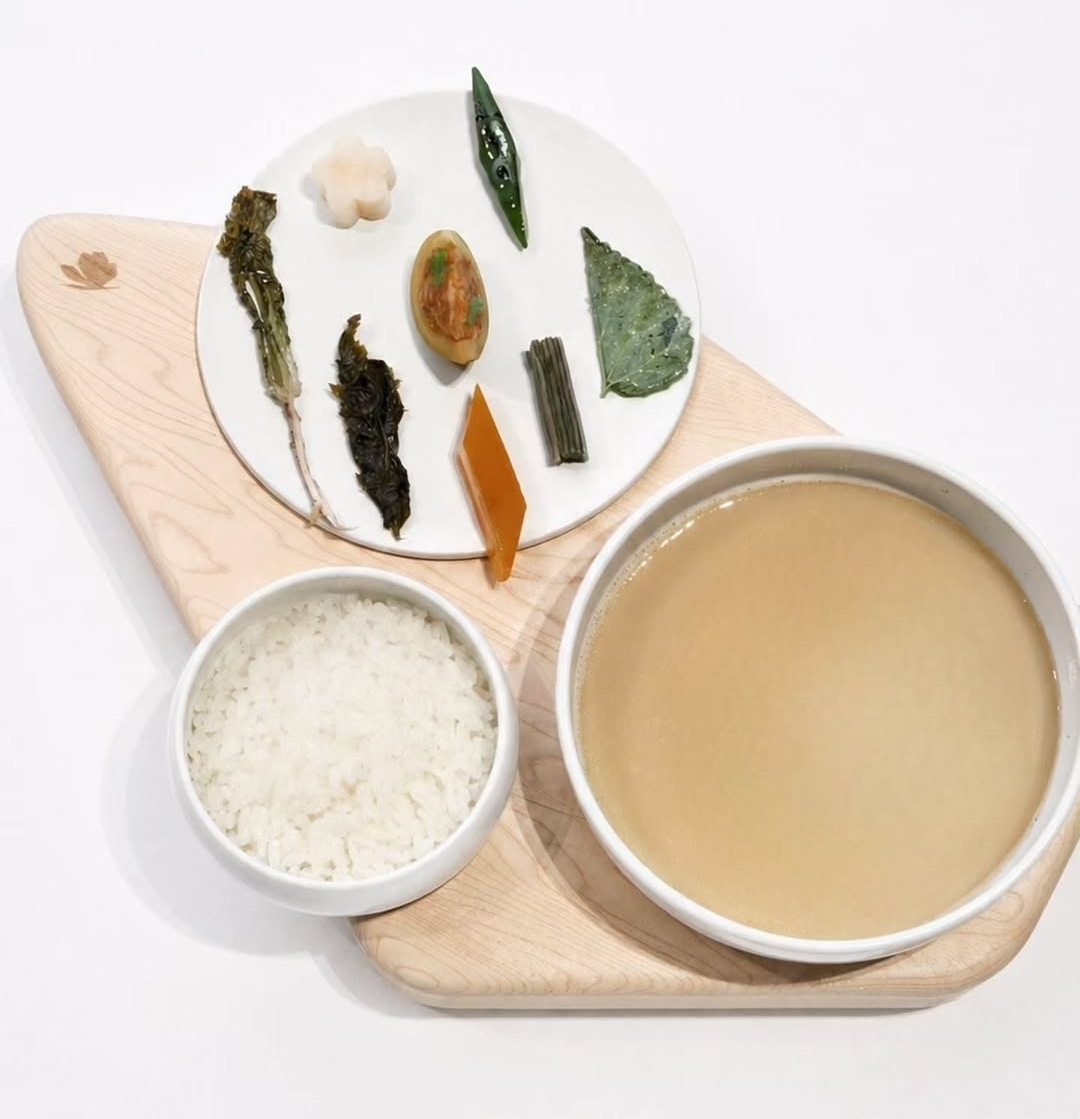
Goum's most distinctive feature is a tasting course that presents the broth in stages as it evolves over time. The progression — from chotan to jungtan, jongtan and finally haptan — traces the very process by which gomtang comes into being.
Chotan is drawn from only the clearest, topmost layer of brisket broth. It is bright and refreshing, almost like sipping tea, yet carries a vivid umami. It is the opening note of the gomtang experience and the first impression of Goum's culinary vision.
Jungtan, simmered from both meat and bone together, balances meaty aroma, umami and a gentle texture — the closest of the four to the gomtang most Koreans know. Jongtan takes that base and simmers it for three more days, yielding a deeper, richer, more concentrated flavor.
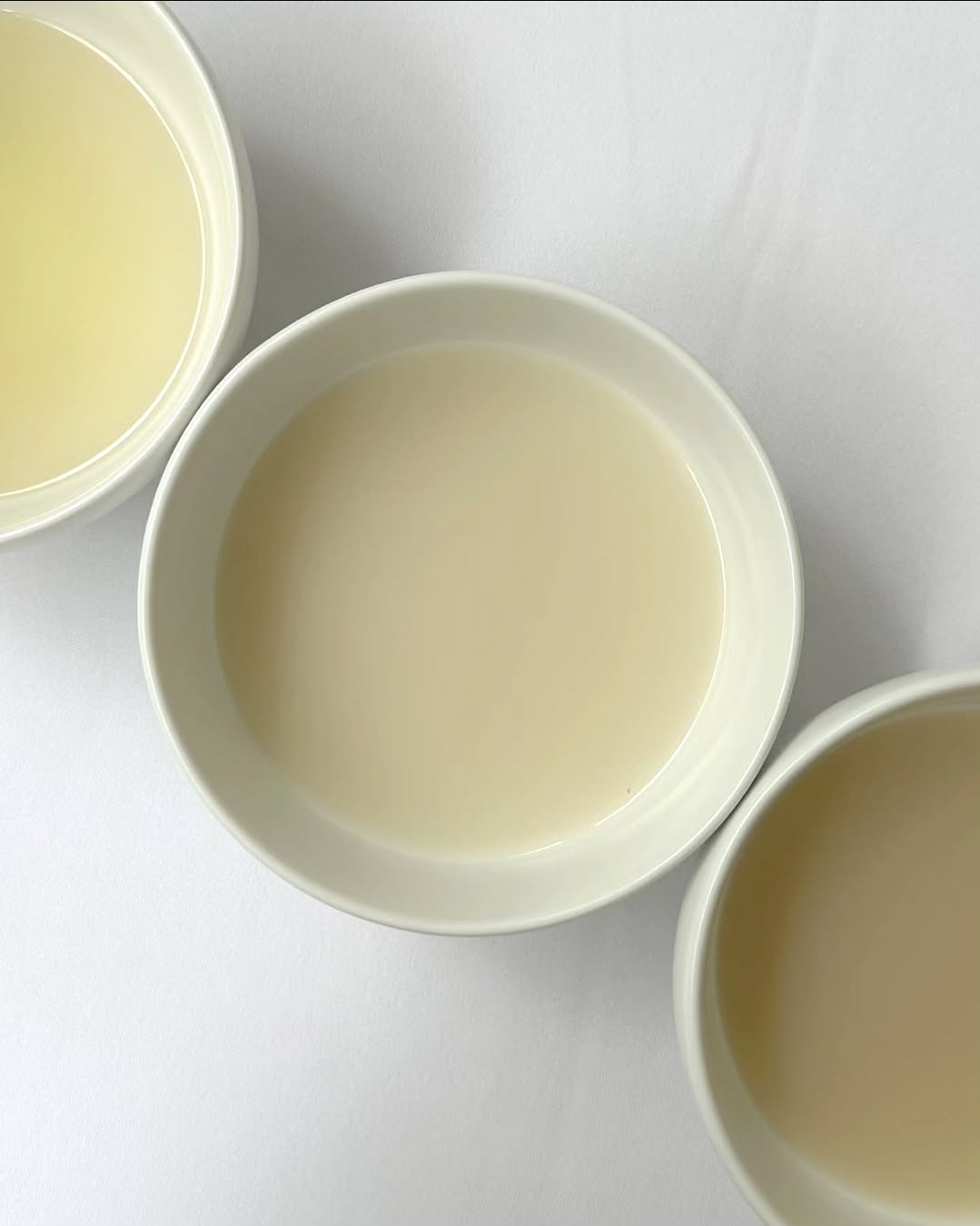
Haptan is Song's vision of gomtang in its most complete form. Chotan and jongtan are combined and reduced until the volume falls to 30 percent of the original. The viscosity from abundant collagen and the profound depth of flavor give the impression of time itself compressed into a single bowl.
"My gomtang carries the memory of the soup my grandmother made when I was a child," Song said. "She used to say, 'It's done when the bones crumble when you bite them.' Recalling how she would simmer the bones for days until they softened gave me the idea for a course that follows the passage of time."
Globalization, accessibility, rediscovery — the chefs' reasons for turning to gomtang differ, but they are all heading to the same place: writing the future of hansik with the most Korean of foods. That they each arrived at gomtang may be no coincidence. Of all Korean dishes, gomtang may be the one that most purely embodies the essence of hansik — restraint and the distillation of time.
123@heraldcorp.com