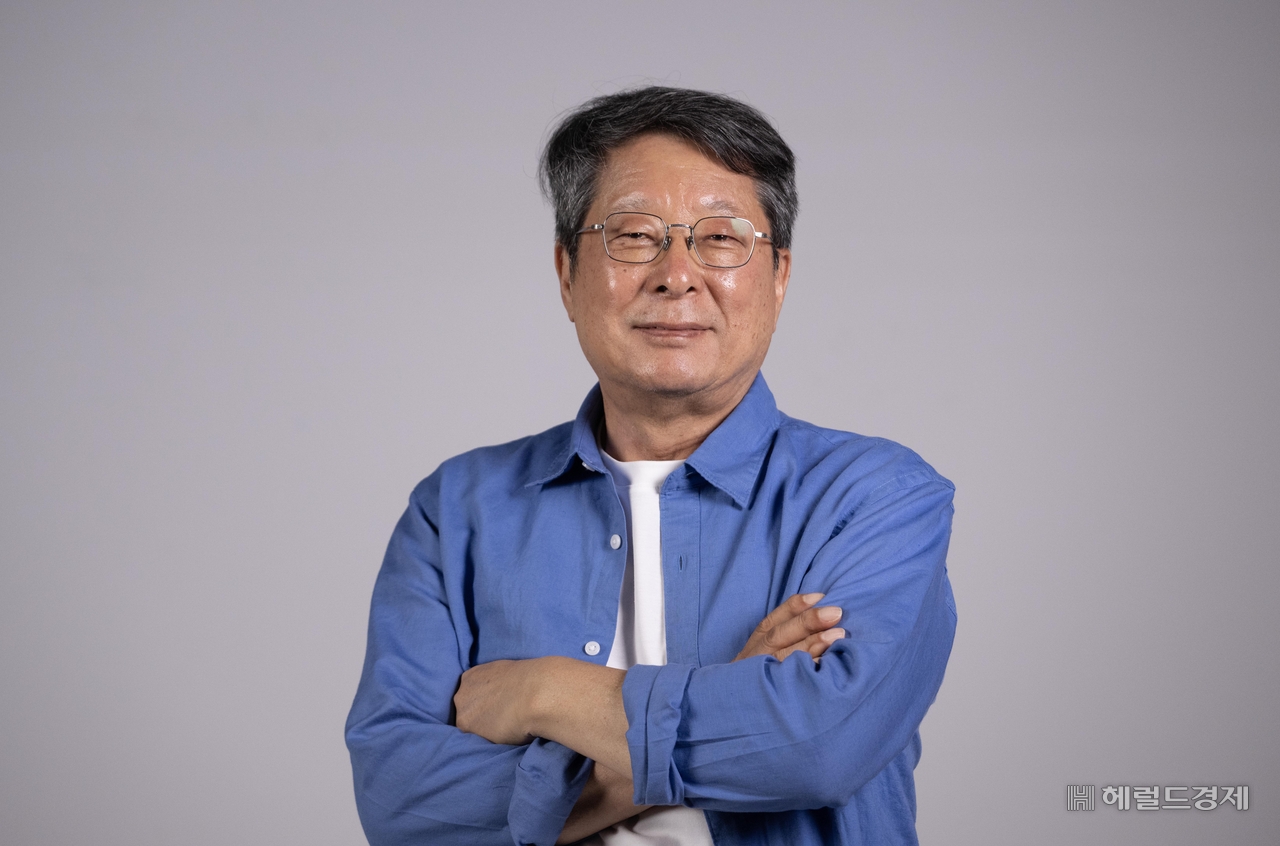
"Research from the US National Institute on Drug Abuse shows that every dollar invested in addiction treatment can generate up to $12 in social benefits," he said. "Government investment in the treatment and rehabilitation of drug users prevents far greater social losses at relatively little cost."
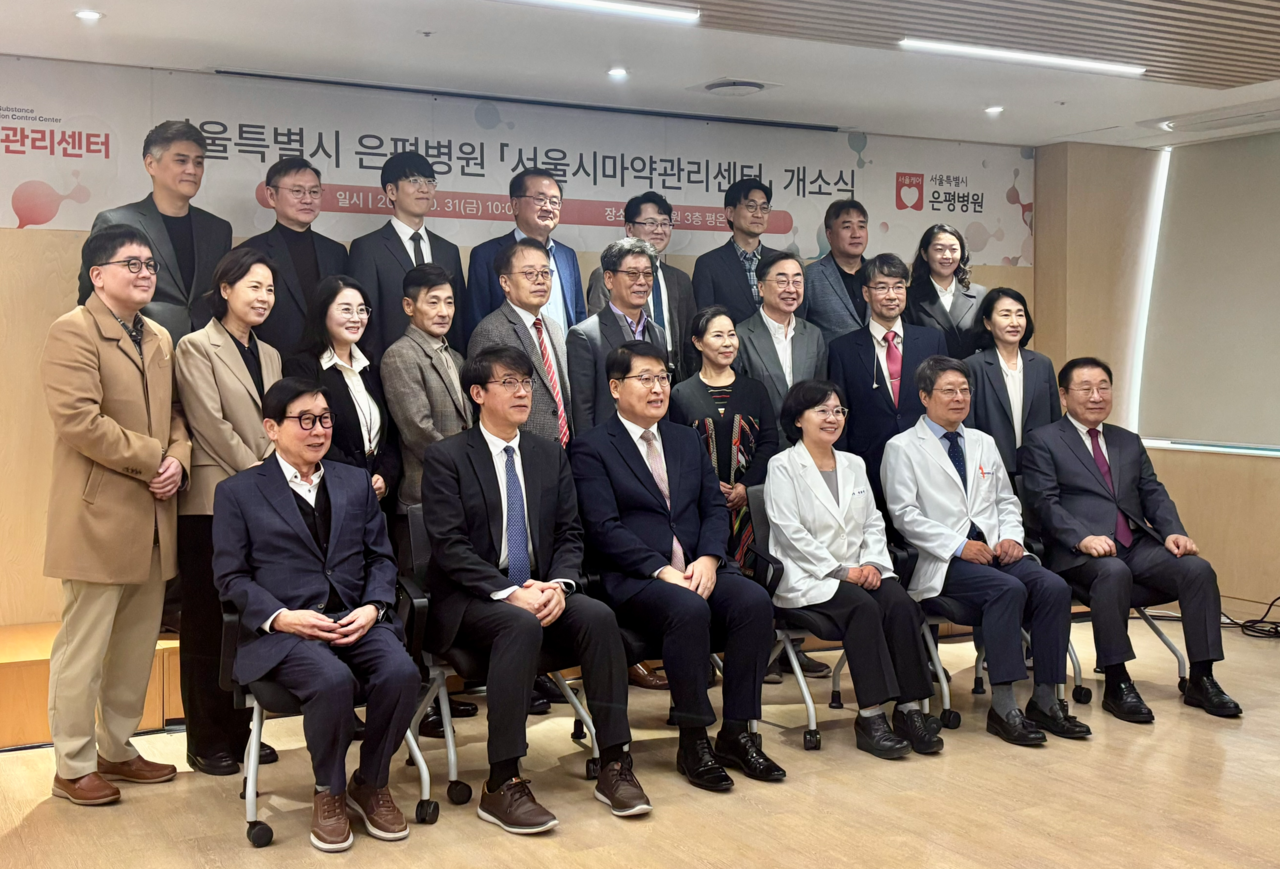
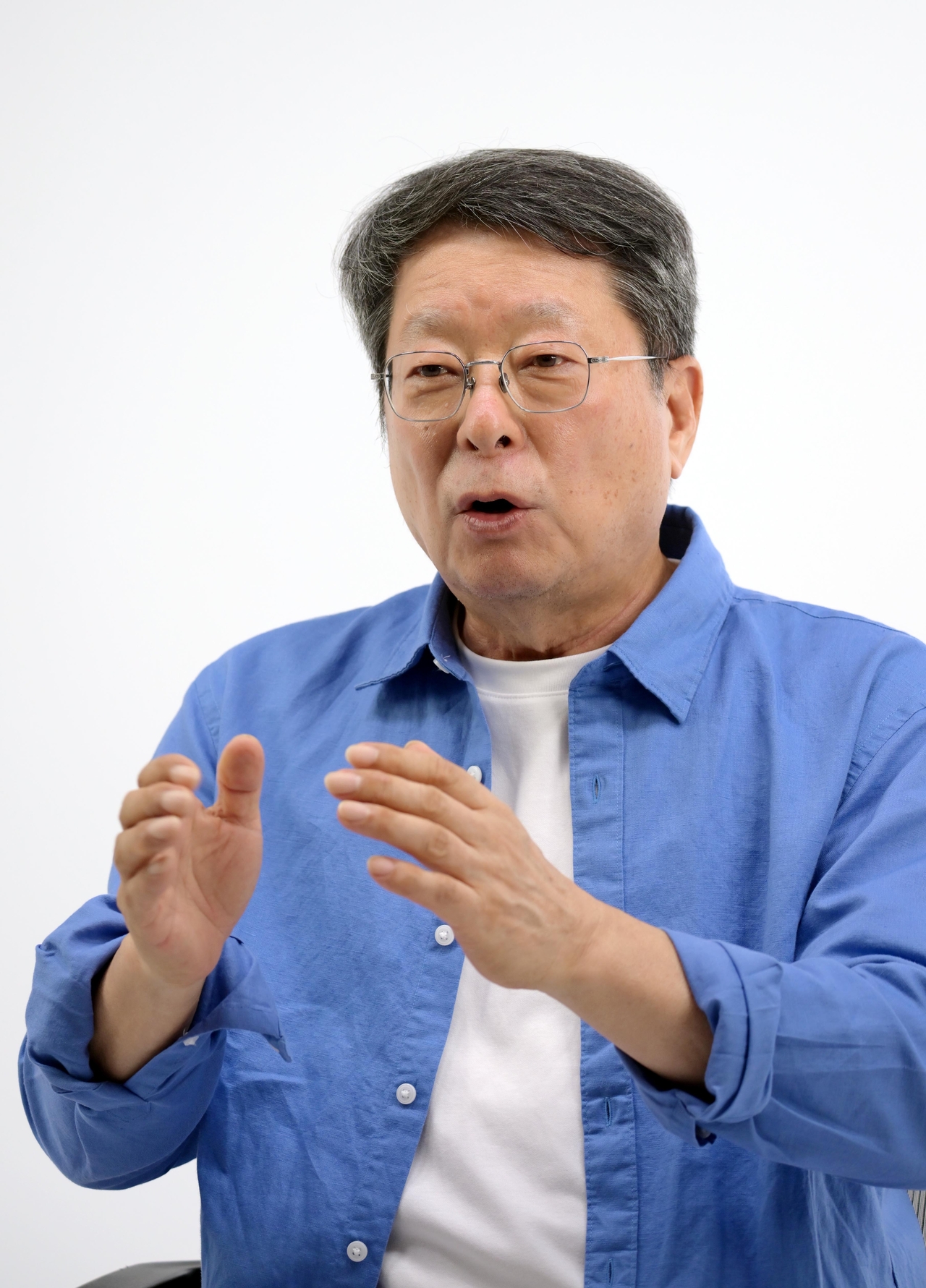
Cho Sung-nam, president of the Korean Academy of Forensic Psychiatry, has devoted nearly four decades to drug treatment. Last October, he became the inaugural director of the Seoul Metropolitan Government's drug management center, then stepped down late last month after establishing the center's operational framework.
Looking back on the past year, Cho described it as "the first time in Korea that a local government began building a proper public infrastructure for drug addiction treatment."
The Seoul Drug Management Center operates 10 inpatient beds and provides individualized counseling, various therapeutic programs and brain stimulation treatment, with patients classified as inpatient or outpatient depending on their condition. Connecting patients to sustained rehabilitation after treatment is also a core function of the center.
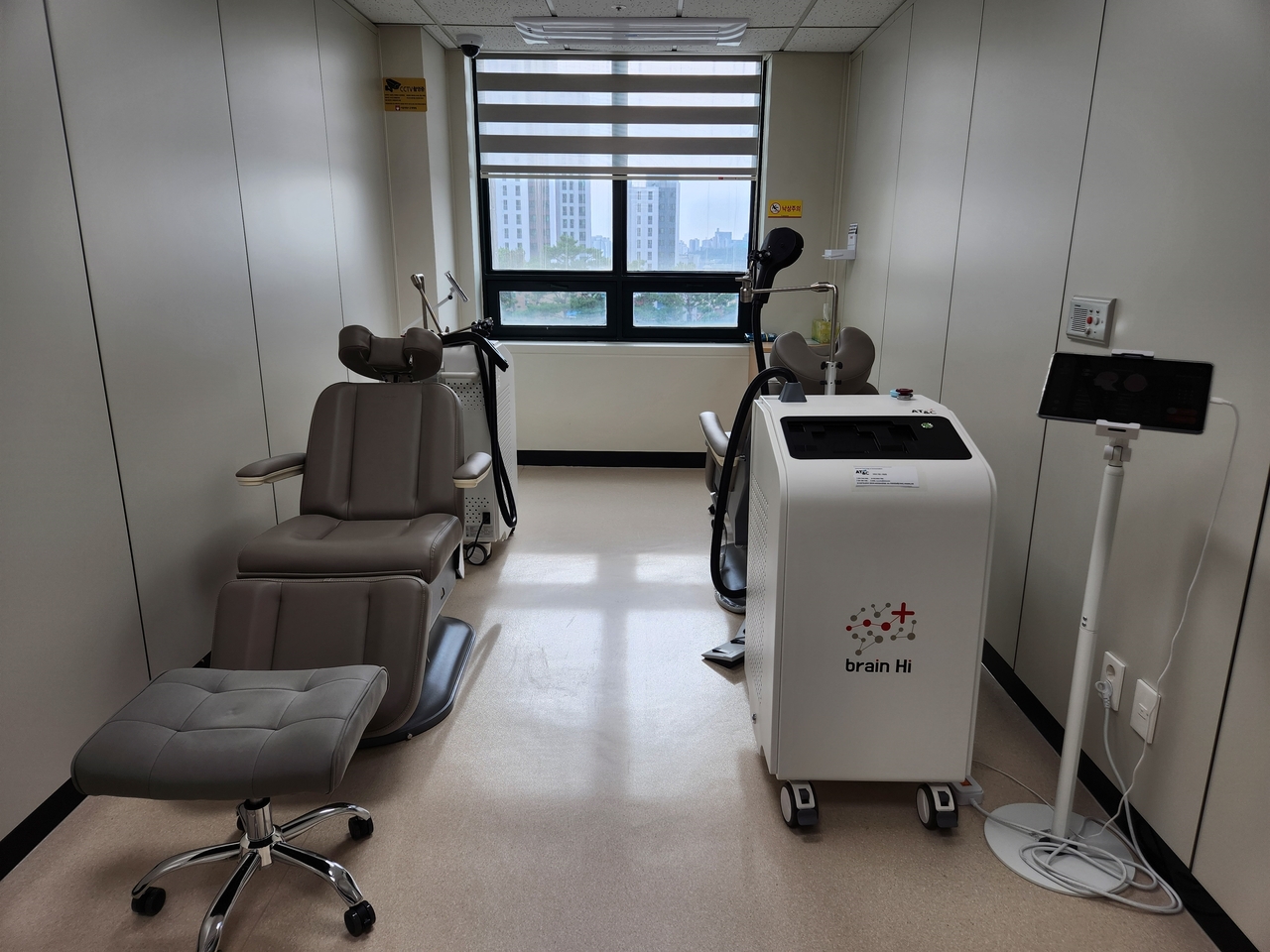
Cho said the center's significance lay in the public sector stepping in to provide treatment that private hospitals cannot offer due to profitability and operational constraints. But he also encountered serious limitations. There was a severe shortage of specialists to care for addicted patients. When preparing to open the center, Cho had planned to staff it with three psychiatrists, but could not fill those positions. He ended up handling both inpatient and outpatient care largely on his own.
"We had 30 staff members and 10 beds, but no doctors to actually treat the drug patients," he said. "Treatment requires persistence, and the compensation isn't enough — so doctors are reluctant to come."
He said the nature of the drug problem he witnessed on the ground had changed dramatically. Where middle-aged men addicted to methamphetamine or patients with prior criminal records once made up the bulk of cases, people in their 20s now account for the largest share — a reflection of how easily drugs can be obtained by anyone.
"In the past, most patients were addicted to methamphetamine, and among younger people, glue and butane gas abuse were common. But the picture changed dramatically in the 2010s. Now, people in their 20s make up the largest group, and they account for 70 to 80 percent of patients at the drug management center."
The atmosphere in treatment settings has also shifted. In the past, many patients came to the hospital of their own accord, determined to quit. More recently, Cho said, a growing number of young first-time offenders begin treatment during investigation or trial proceedings in hopes of reducing their sentences.
But Cho said that kind of motivation is rarely enough to break free from addiction.
"One addict who fought desperately to get clean told me this: 'You can't recover from drug addiction without shedding tears of blood — without truly bone-deep remorse.'"
Throughout the interview, Cho repeatedly stressed the importance of a "recovery network." Drug addiction, he said, is not a condition that ends after a single hospitalization and detox — it is a lifelong illness requiring ongoing management to prevent relapse.
Cho said Narcotics Anonymous groups and rehabilitation facilities are at the heart of that network. "Many addicts begin treatment having already lost contact with their families and with their financial footing gone," he said. "The moment they walk out of the hospital, there is a real risk they will return to their old relationships and environment. What they need is not to simply cut ties with the people who introduced them to drugs, but to build a new network of relationships that helps them stay clean and hold on."
Narcotics Anonymous groups currently operate across the country, including in Seoul, Incheon, Busan, Gimhae, Daejeon and Jeju. The model relies on people in recovery drawing on their own experiences to help other addicts stay off drugs.
Drug Addiction Rehabilitation Centers, known as DARC, where addicts live together as a community, are equally important. DARC facilities are residential rehabilitation centers where people in recovery live together around the clock and run their own programs. The first one in Korea opened in Seoul in 2012. At their peak, there were five such centers, but due to various operational difficulties, only three remain — in Seoul, Incheon and Jeju.
"Families, self-help groups, rehabilitation centers and treatment teams need to be connected by multiple strands," Cho said. "If one strand breaks, another can hold on. Ultimately, what keeps an addict going is people and community."
Cho shared an experience that drove home the importance of a recovery network.
A methamphetamine patient in his 50s, released from prison and then completing inpatient treatment, had managed to stay clean for seven months. After finishing treatment, the man stayed at a study-room lodging near the center, took part-time work and looked for steady employment. He attended early-morning prayer services and kept up with outpatient visits, appearing to rebuild his daily life — but he ultimately relapsed after reconnecting with people he had used drugs with in the past.
"He had completed inpatient treatment and was diligently attending outpatient appointments, but when an old acquaintance from his drug-using days approached him, he fell apart," Cho said. "It shows just how important it is to have a support network outside the hospital that can hold an addict in place."
On the other side, there were also cases where a court's decision to offer a path to treatment led to lasting recovery.
"There was a methamphetamine patient in his 50s for whom an arrest warrant had been requested, and the court issued a non-detention ruling on the condition that he receive treatment at the Seoul Drug Management Center," Cho said. "That patient completed three months of inpatient treatment and is still attending outpatient appointments and staying clean."
For these reasons, Cho doubled down on the need to introduce drug courts in Korea. Mechanisms already exist — including treatment protection orders, treatment custody and treatment commands — designed to steer drug users toward recovery rather than simply punishing them, but he said these tools are not being used to their full potential in practice.
"Even when a judge determines that treatment is necessary, the discretion available is limited, and treatment custody can only be sought if a prosecutor requests it," he said. "What addicted patients need is treatment, not punishment, and courts must be able to order treatment and continue to oversee compliance."
kido@heraldcorp.com