
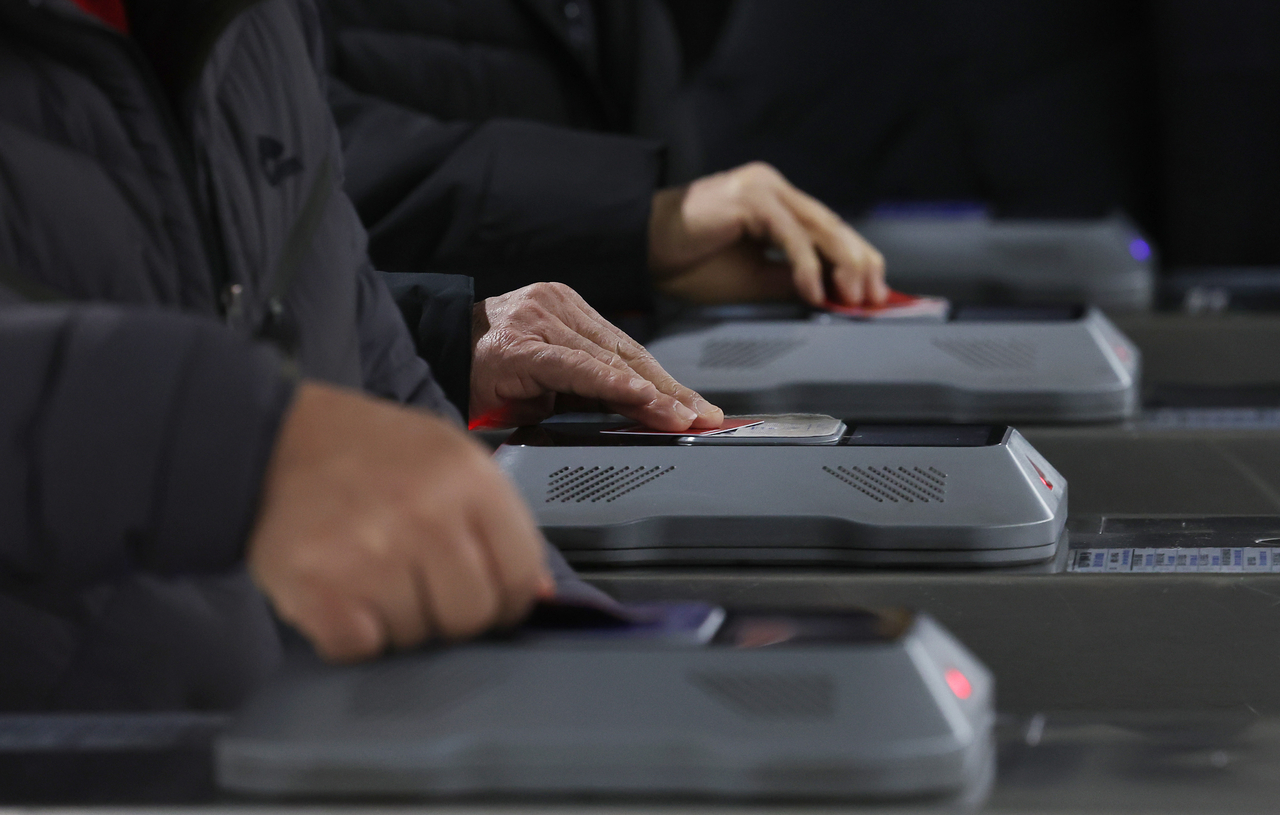
Gangnam Station generated the most transit card revenue of any Seoul subway station in the first half of this year, averaging more than 2.8 billion won ($1.85 million) a month.
Seoul Metro released the analysis Sunday, covering transit card revenue at Seoul subway stations from January through June. The data showed Gangnam Station, Jamsil Station and Hongik University Station trading the monthly top spot, with each hub reflecting a distinct ridership pattern. Revenue is calculated based on the boarding station.
Gangnam Station ranked first from January through March and again in June, while Jamsil Station led in April and Hongik University Station in May. Seoul Metro said the rotating leadership illustrated the city's varied travel flows, with seasonal events, major gatherings and tourism demand shaping monthly ridership at the capital's key hubs.
Gangnam Station posted a monthly average of more than 2.8 billion won in transit card revenue from January through June, the highest of any station on the Seoul subway network. The agency attributed the consistent performance to steady commuter, shopping and leisure traffic in one of the city's densest concentrations of office and retail space. Gangnam Station held the same top position last year, averaging about 2.7 billion won a month across all 12 months.
Jamsil Station recorded its highest monthly transit card revenue of the year in April, surpassing 3 billion won. Seoul Metro linked the surge to the Seokchon Lake cherry blossom festival, which opened that month, along with a wave of pop-up stores in the Jamsil area and the start of the professional baseball season.
Seasonal events near Jamsil Station have consistently tracked with its revenue rankings. Last year, the station also posted its highest monthly figures in April — 2.6 billion won, driven by the cherry blossom festival — and in December, when Christmas and year-end events pushed revenue to 3.1 billion won.
Hongik University Station peaked in May, buoyed by tourism and cultural demand. Seoul Metro said a large influx of foreign visitors during Japan's Golden Week and China's Labor Day holiday drove increased foot traffic to the Hongdae area that month. The station had also led all stations in May last year, recording more than 2.6 billion won in transit card revenue.
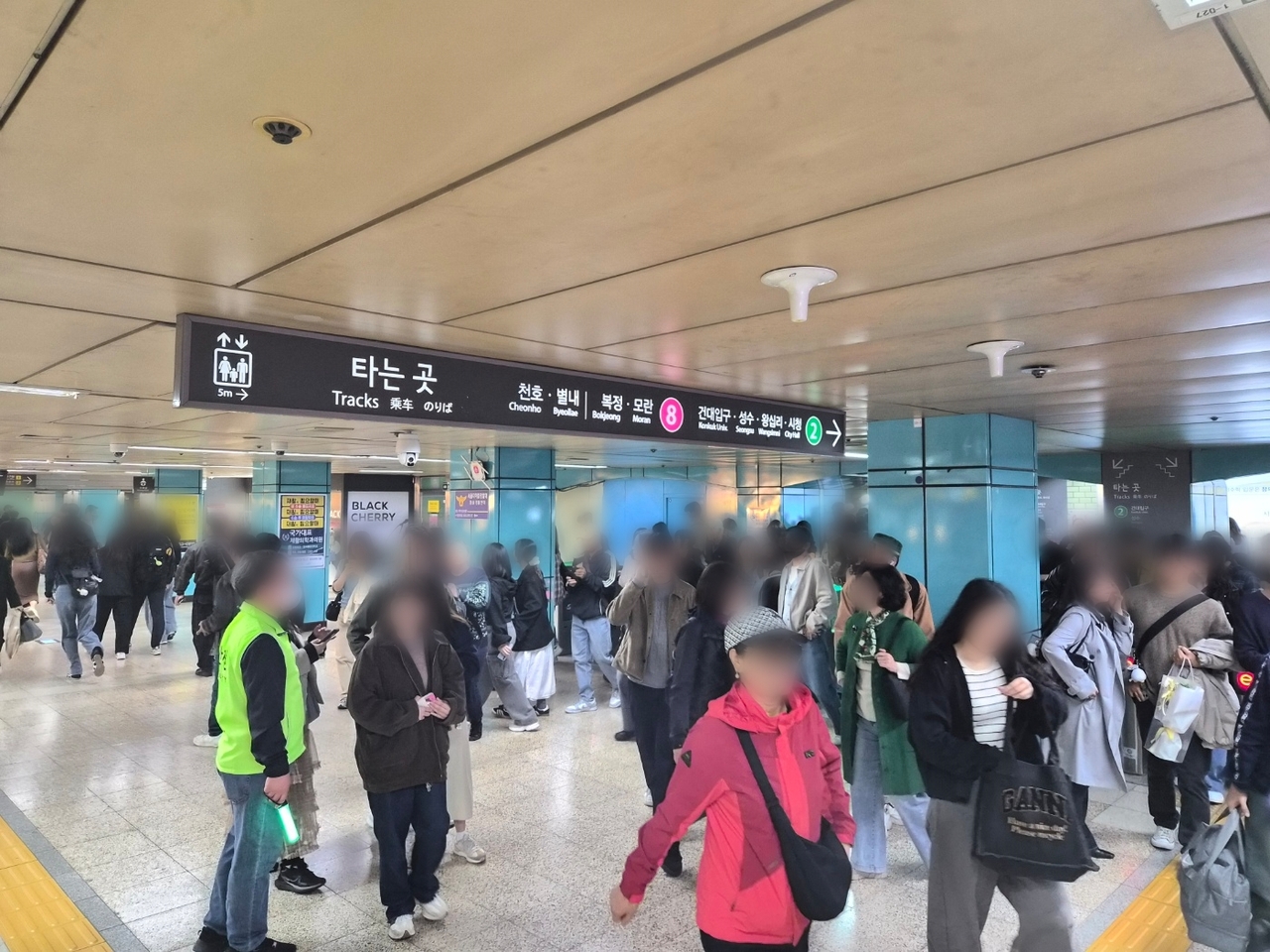
The three stations each topped the monthly rankings on the strength of different demand drivers — Gangnam Station on steady business and commercial traffic, Jamsil Station on large-scale sports and performance events, and Hongik University Station on tourism and cultural spending — highlighting the distinct character of each major hub in Seoul.
Seoul Metro said the analysis confirmed that transit card revenue goes beyond a simple headcount, serving as an indicator of how residents and visitors move through the city for daily commutes, tourism, cultural activities and leisure.
"The monthly shifts in which station leads in transit card revenue are important data that reflect not only commuting patterns but also the full range of urban activity in Seoul — tourism, culture, sports and consumption," said Ma Hae-geun, head of the agency's business division. "We will continue to analyze travel patterns using transit data so we can provide even more convenient services."
ikson@heraldcorp.com





