![Federal Reserve Chair Kevin Warsh testifies before the House Financial Services Committee on Capitol Hill in Washington on Tuesday. [AP]](https://wimg.heraldcorp.com/news/cms/2026/07/15/news-p.v1.20260715.b81b692399724ffd800763d1a5535872_P1.jpg)
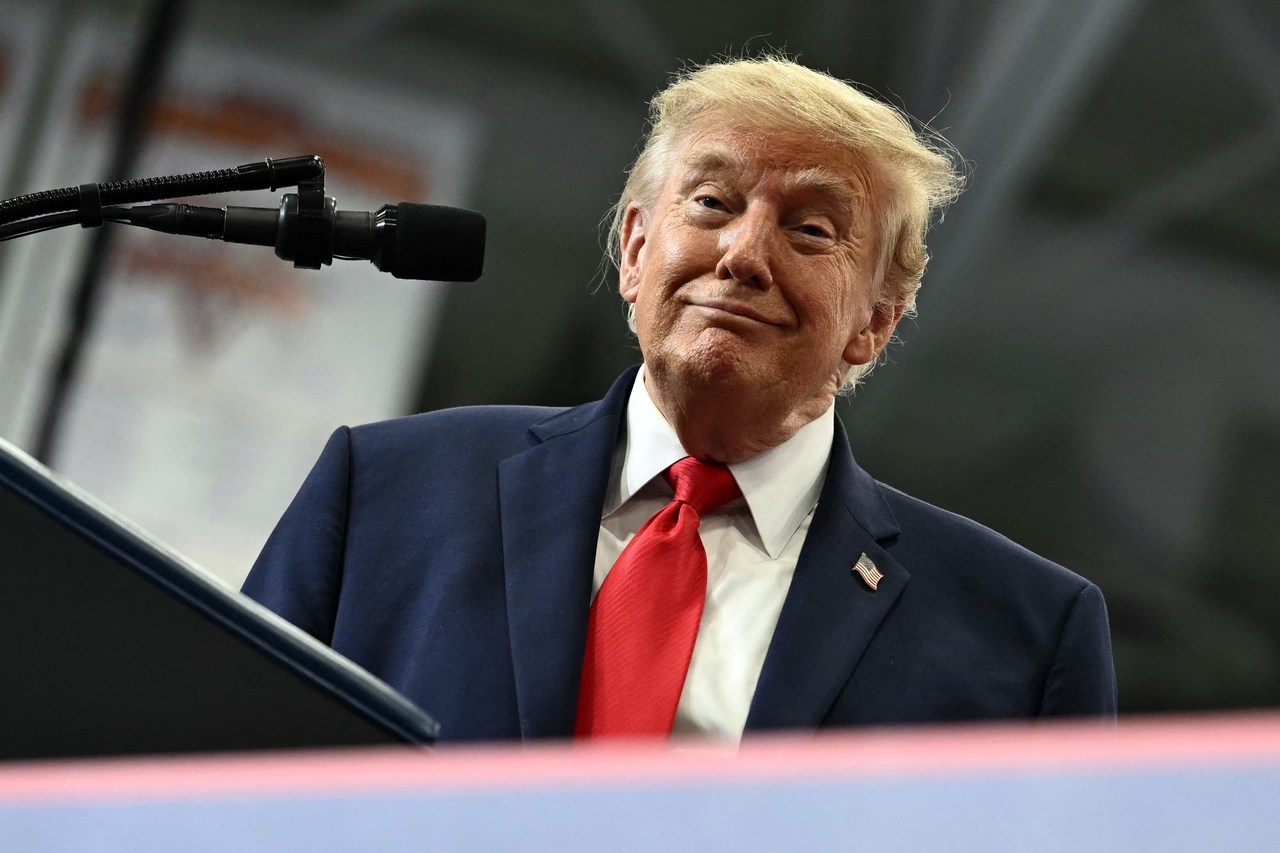
Federal Reserve Chair Kevin Warsh said Tuesday he would not tolerate persistently high inflation, reaffirming price stability as the central bank's foremost priority. While he declined to specify whether interest rate hikes would be needed to contain inflationary pressure, he made clear he would preserve the Fed's independence in the face of President Donald Trump's calls for rate cuts.
Appearing before the House Financial Services Committee, Warsh said the Fed's top goal is to conduct monetary policy correctly, adding that board members share "a firm commitment not to tolerate persistently high inflation and to restore price stability."
"We will get policy right, and the inflation surge of the past five years will become a thing of the past," he said.
Warsh described above-target inflation over the past five years as a "tax" on American households and businesses, saying a policy shift was needed.
Responding to a Bureau of Labor Statistics report released Tuesday showing consumer prices cooling faster than expected, Warsh pushed back against any sense of complacency. "Some might look at this and say 'mission accomplished,' but I see it differently," he said. "We have work to do on inflation."
Warsh stopped short of saying whether rate hikes or other measures would be needed to rein in price pressures. However, he repeatedly said he would not allow Trump's pressure for rate cuts to undermine the Fed's independence.
Asked what he would do if Trump or his advisers targeted him through monetary policy pressure, Warsh said "the courts have already answered that question" and that he would "keep doing my job." The remark referred to the Supreme Court's recent ruling blocking Trump's dismissal of Fed Governor Lisa Cook — effectively reaffirming the case for maintaining the Fed's independence.
When asked whether he works for Trump, Warsh said, "We are independent, and we are honored to be independent."
Asked what he would do if Trump pushed for policies that ran counter to the data, Warsh said, "I promise to follow the law, follow the data and exercise our best judgment."
On Fed reform, Warsh said he expects results by the end of the year. He set up five task forces covering areas including the balance sheet and communications framework when he took office.
Warsh said he would give ample advance notice of any changes to the Fed's balance sheet policy. "There will be no changes to balance sheet policy without properly informing this committee and financial markets broadly in advance," he said.
Warsh has long argued that the Fed's balance sheet became bloated as the central bank pursued quantitative easing to address economic crises, and that it needs to be reduced.
On the Fed's communications framework, he said that "being a bit more circumspect is, at least for me, a better way to call balls and strikes," adding that any changes to the framework would not be aimed at concealing information.
At his first FOMC meeting last month, Warsh dropped forward guidance on the policy outlook and did not submit interest rate projections. The Fed chair is required to appear before Congress twice a year to report on monetary policy. Tuesday's hearing was Warsh's first such appearance.
yckim6452@heraldcorp.com