
The incidence of invasive group A streptococcal infections in children, which fell sharply during the COVID-19 pandemic, has rebounded quickly following the easing of public health restrictions and returned to pre-pandemic levels, a new study has found.
The M1UK lineage — a strain linked to outbreaks abroad — has also been detected in South Korea for the first time, lending weight to calls for a national surveillance system that tracks both severe infection cases and changes in bacterial strains.
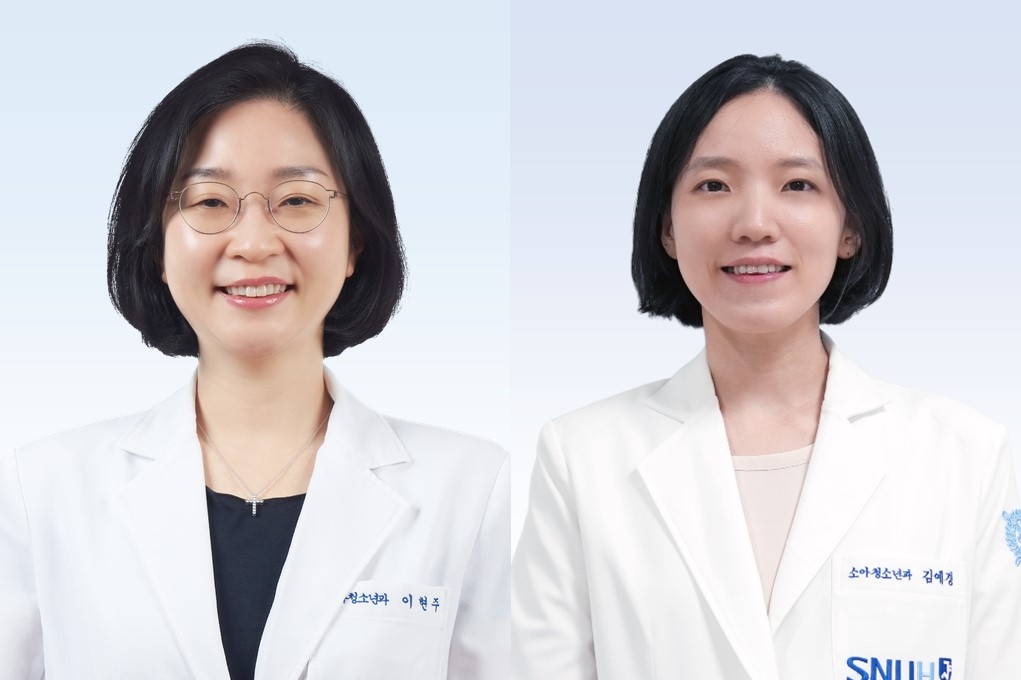
A multicenter research team led by professors Lee Hyun-ju and Kim Ye-kyung of the pediatric infectious disease division at Seoul National University Bundang Hospital in Seongnam analyzed 454 patients with invasive group A streptococcal infections at 23 university hospitals nationwide from 2015 to 2024. The findings, produced as part of a Korea Disease Control and Prevention Agency policy research project, were published in The Lancet Regional Health — Western Pacific. The study is the largest multicenter analysis conducted in South Korea to comprehensively examine a decade of incidence trends, clinical characteristics, and major genotype distribution for invasive group A streptococcal infections.
Group A Streptococcus is a bacterium that typically spreads through the respiratory tract or skin and soft tissue, causing conditions such as pharyngitis, scarlet fever and skin infections.
The more serious concern is the invasive form of the disease. Although relatively rare, invasive infections occur when the bacteria penetrate beyond the respiratory tract or skin and enter the bloodstream, joint fluid or cerebrospinal fluid.
The infection can rapidly progress to sepsis or necrotizing fasciitis, or lead to toxic shock syndrome — a life-threatening complication in which blood pressure drops and multiple organs fail simultaneously.
The most notable finding over the past decade was the post-pandemic rebound in incidence among children and adolescents. The rate of invasive group A streptococcal infections among all pediatric inpatients fell roughly 90 percent, from 9.34 cases per 100,000 before COVID-19 to 0.95 cases during the pandemic restriction period from 2020 to 2022, before climbing back to 10.45 cases per 100,000 in 2023–2024. Among adults, the rate dropped from 6.57 cases to 1.83 cases over the same period and recovered only modestly, to 2.47 cases.
Among older patients, the burden was felt more in severity than in frequency. The mortality rate for those aged 65 and older stood at 26.5 percent, far exceeding the overall rate of 15.5 percent and the pediatric rate of 10.5 percent. Nearly one in five patients with invasive infections (19.6 percent) progressed to toxic shock syndrome, which carried a mortality rate of 52.8 percent.
The research team said the first domestic detection of the M1UK lineage "demonstrates the need for a national surveillance system that tracks not only the number of invasive group A streptococcal infection cases but also disease severity and genetic changes in bacterial strains." A more rigorous monitoring framework is needed to detect early warning signs of rising infections in specific age groups or regions, and to identify the introduction and spread of new lineages such as M1UK, the team said.
Kim Ye-kyung, the study's lead author, said the research is significant as "the first nationwide analysis of the 10-year incidence patterns and clinical characteristics of invasive group A streptococcal infections in South Korea." She added that continued monitoring of future changes in epidemic patterns will be essential, particularly given the sharp increase in pediatric cases after the pandemic and the domestic confirmation of the M1UK lineage.
fob140@heraldcorp.com





