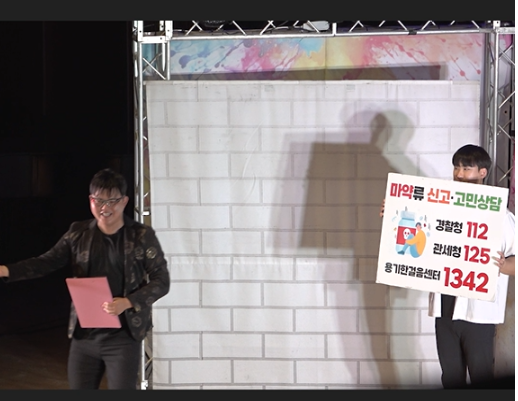
The government is stepping up drug prevention education across a wide range of groups — from students inside and outside schools to teachers, foreign nationals, university students, military personnel and prison inmates — through coordinated inter-agency efforts.
According to the Ministry of Gender Equality and Family and other agencies Wednesday, both adults and youth showed stronger awareness of drug dangers over the past year, along with greater confidence in their ability to refuse drugs when offered — a measure known as self-efficacy.
Under the Narcotics Control Act, the government conducts an annual survey on drug harm awareness among 5,000 adults and 2,000 youth. The latest results show that youth awareness of drug risks rose from 64.5 points in 2024 to 83.8 points last year, a gain of 19.3 points. Self-efficacy scores also climbed 11.7 points, from 74.3 to 86.0.
Among adults, risk awareness rose from 82.0 to 85.8 points, while self-efficacy increased from 84.5 to 87.4 points.
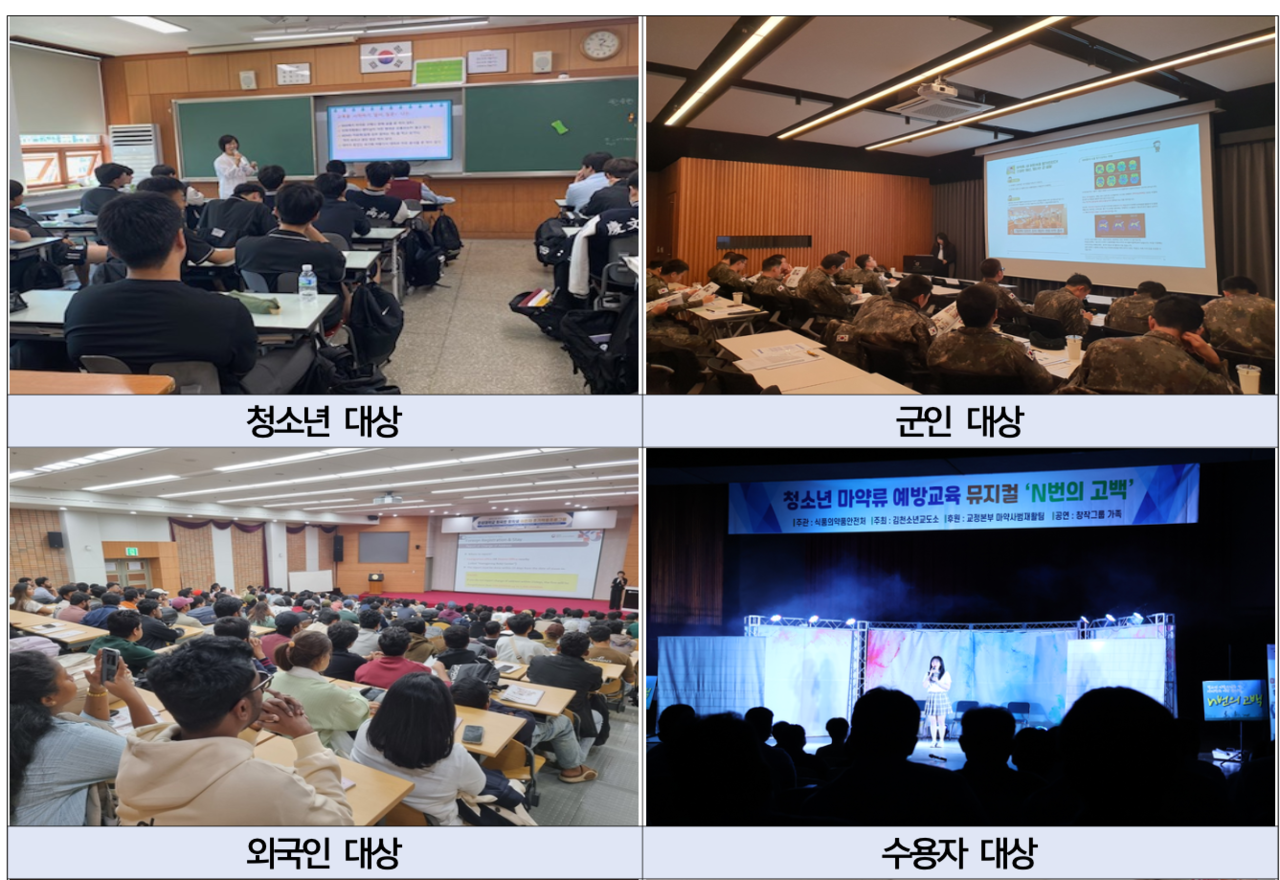
The government is also expanding prevention education tailored to each ministry's area of responsibility.
The Ministry of Gender Equality and Family is delivering drug prevention education as part of a basic literacy curriculum for youth registered at out-of-school youth support centers nationwide. Starting this year, the ministry made the sessions mandatory at least twice a year, up from once annually.
In January, the ministry also added child- and youth-tailored drug prevention content to "Diaedream," an online learning platform for out-of-school youth, enabling remote participation and aiming to boost overall enrollment in prevention programs.
The Ministry of Education has developed and distributed teacher guidebooks covering the dangers of major harmful substances, including narcotics, as well as tips on preventing drug-related offenses. It also runs training programs to strengthen teachers' capacity to educate and counsel students on the issue.
In the second half of the year, the ministry plans to develop additional educational and promotional materials for parents and will hold a contest in October to help spread a drug-free culture.
The Ministry of Justice provides drug prevention education in inmates' native languages through an early-adaptation program for foreign nationals upon their arrival in the country. Reflecting a rise in drug offenses among foreign nationals and youth, the ministry is also broadcasting drug prevention programming across correctional facilities nationwide.
Most recently, working with the Ministry of Food and Drug Safety, the ministry staged a drug prevention musical at a juvenile prison — the first such performance at a correctional facility in the country — and plans to expand prevention education for inmates further.
The Ministry of Food and Drug Safety supports youth-oriented prevention programs that use educational theater and game-based learning tools such as curling and darts.
In the second half of this year, the ministry plans to develop additional interactive teaching materials — including drug-related true-or-false quizzes and puzzles suitable for classroom use — and distribute them to schools and other institutions.
The ministry also plans to produce educational videos on the misuse and abuse of medical narcotics — including ketamine, etomidate, alprazolam and oxycodone — and make them available through the Drug-Free Korea website.
The ministries said they plan to share the results of their respective education efforts and hold ongoing consultations on future priorities in order to deliver more effective drug prevention programs.
kido@heraldcorp.com