Anti-AI disclaimers appear on San Francisco dating app profiles
Job fears and social concerns reshape romantic preferences
Questions over authenticity as some delegate dating to AI agents
47% of single Americans oppose using AI in relationships
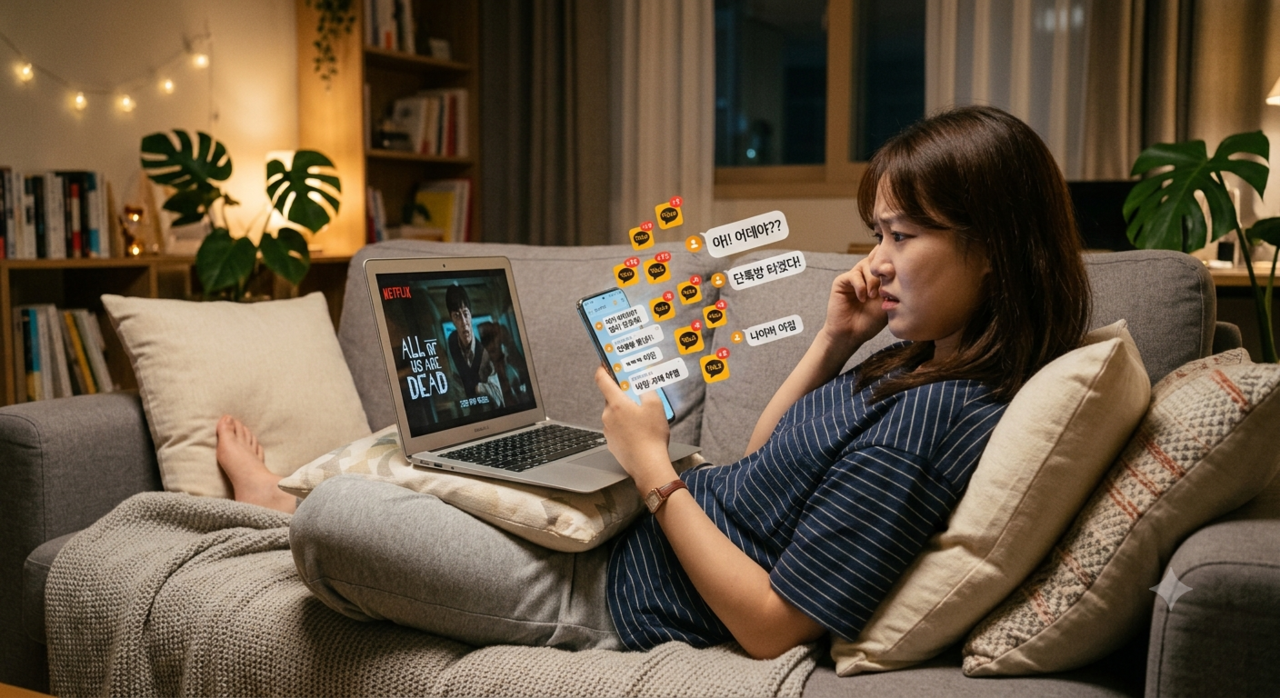
"If you work at an AI company, I'm not interested in going on a date with you."
In Silicon Valley — home to the world's largest technology companies — resistance to AI is emerging as a new criterion in the dating market. As concerns grow that AI could eliminate jobs and harm society, more people are avoiding romantic partners who work at AI firms or rely heavily on the technology. The trend is striking precisely because it is unfolding at the very center of the AI industry.
The Verge, a US technology publication, recently reported on San Francisco's dating app culture and the romantic habits of young locals, finding that attitudes toward AI have become a new filter for choosing a partner.
Irene, a 25-year-old analyst who moved to San Francisco last year, noticed the phenomenon while using the dating app Hinge. She found that a notable number of profiles openly expressed hostility toward AI when describing what they were looking for in a partner.
Hinge includes a prompt asking users to complete the phrase "We'll get along if … " Some profiles Irene came across stated outright that the person dislikes AI. Another user posted a condition that read: "If you use AI, don't bother dating me."
Those writing such disclaimers tended to work in fields such as the arts, nursing and graphic design — industries where AI is seen as a direct threat to livelihoods or creative value.
Where people once screened potential partners primarily by profession, income or political views, they are now adding AI values to the checklist. The question is no longer simply whether someone likes or dislikes technology, but how they view AI's broader impact on society — a window, for many, into a person's deeper values.

In Silicon Valley, differing views on AI are shaping not just dating preferences but long-term life plans as well.
Kyle, a researcher in their early 20s at a nonprofit focused on AI safety, said the pace of AI development could alter their long-term plans. Worried about the existential risks AI might pose to humanity, Kyle said even discussing future plans — children, where to live — with a romantic partner feels difficult.
Kyle said he is also cautious about dating people who work in the AI industry, believing that some developers pursue high salaries or technical excitement without adequately considering the social consequences of what they build.
Simply working in the AI sector, Kyle said, can be enough to raise doubts about a person's values. For those who prioritize social responsibility and safety over speed of development and financial gain, a partner's ties to the AI industry have become a new dealbreaker.
AI's growing role in the dating process itself is also drawing scrutiny.
Joseph, a 21-year-old software engineer running a startup in San Francisco, has handed his dating app activity over to an AI agent. Working up to 14 hours a day, he said he simply does not have time to search for a partner himself.
The AI agent browses profiles on his behalf, sends opening messages and carries on conversations to assess compatibility. Once a match looks promising, it schedules a date on his weekend calendar.
The system has learned Joseph's writing style and manner of expression, composing messages that read as if he wrote them himself. A virtual assistant based in the Philippines manages the AI agent, and the people Joseph matches with are unaware they have been communicating with an AI.
Joseph said the setup yields an average of two in-person dates a week. By cutting out the repetitive work of messaging and screening, he said, he can focus on the actual meetings.
Yet delegating the entire process — from finding a match to holding conversations and booking dates — to an AI raises questions about authenticity. If the messages a person believed were written by a real human were in fact generated by an AI, can the exchange be considered genuine emotional connection?
In practice, many young Americans are uncomfortable with the idea of using AI in their romantic lives.
A survey by Match Group, the US dating app company, conducted between April and May this year among about 1,000 single Americans aged 18 to 39, found that 47 percent of respondents had a negative view of using AI in relationships.
Some 40 percent said they would not date someone who uses an AI companion app. Among women aged 18 to 24, that figure reached 51 percent.
The findings suggest people draw a clear distinction between using AI as a search or productivity tool and using it to find a romantic partner or substitute for emotional exchange.
People are also wrestling with how to feel about a partner who confides in an AI chatbot. One person interviewed by The Verge said they could understand using AI to sort through complicated emotions, but that excessive reliance on a chatbot could become a factor in how they judge a potential partner.
sjy@heraldcorp.com