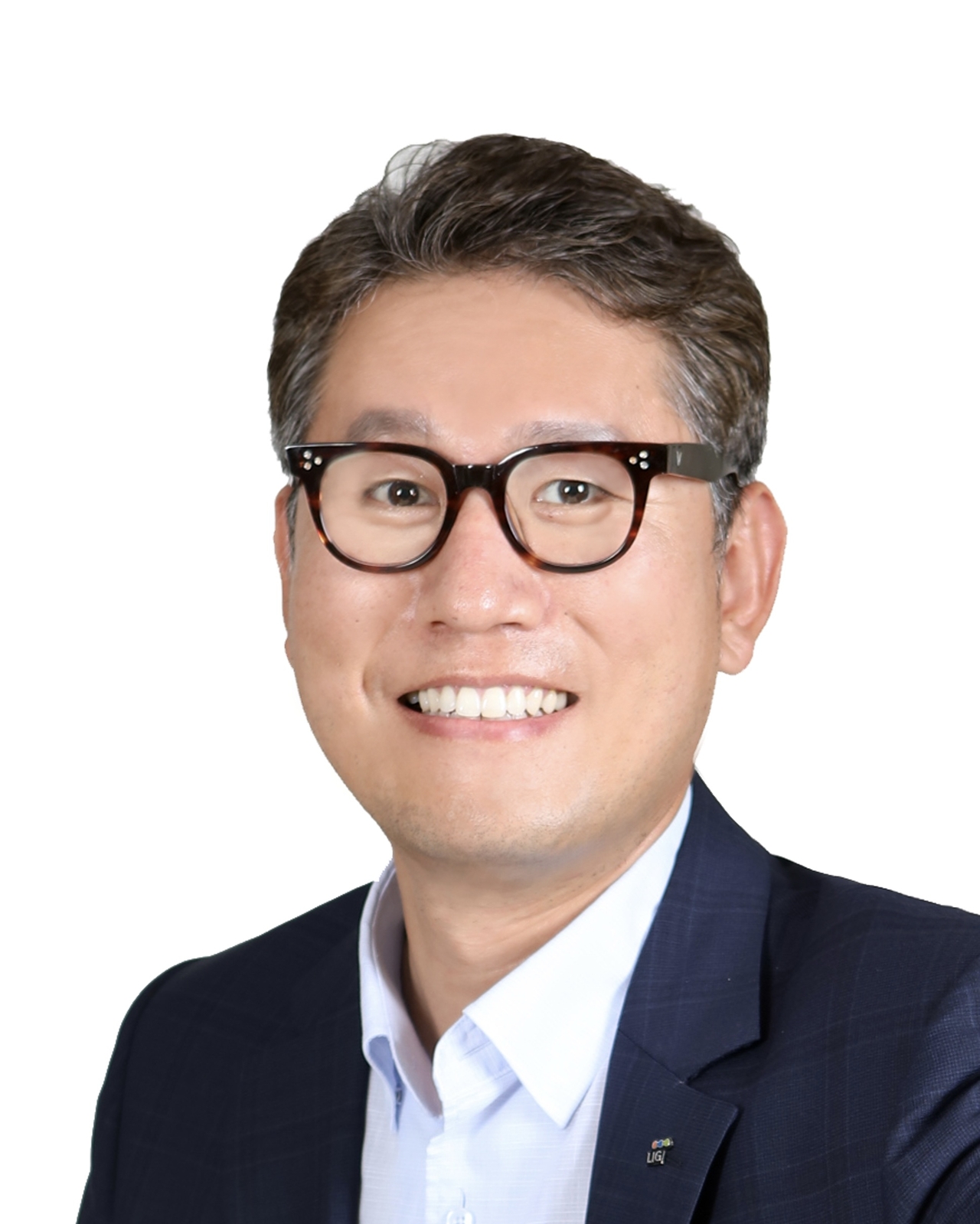
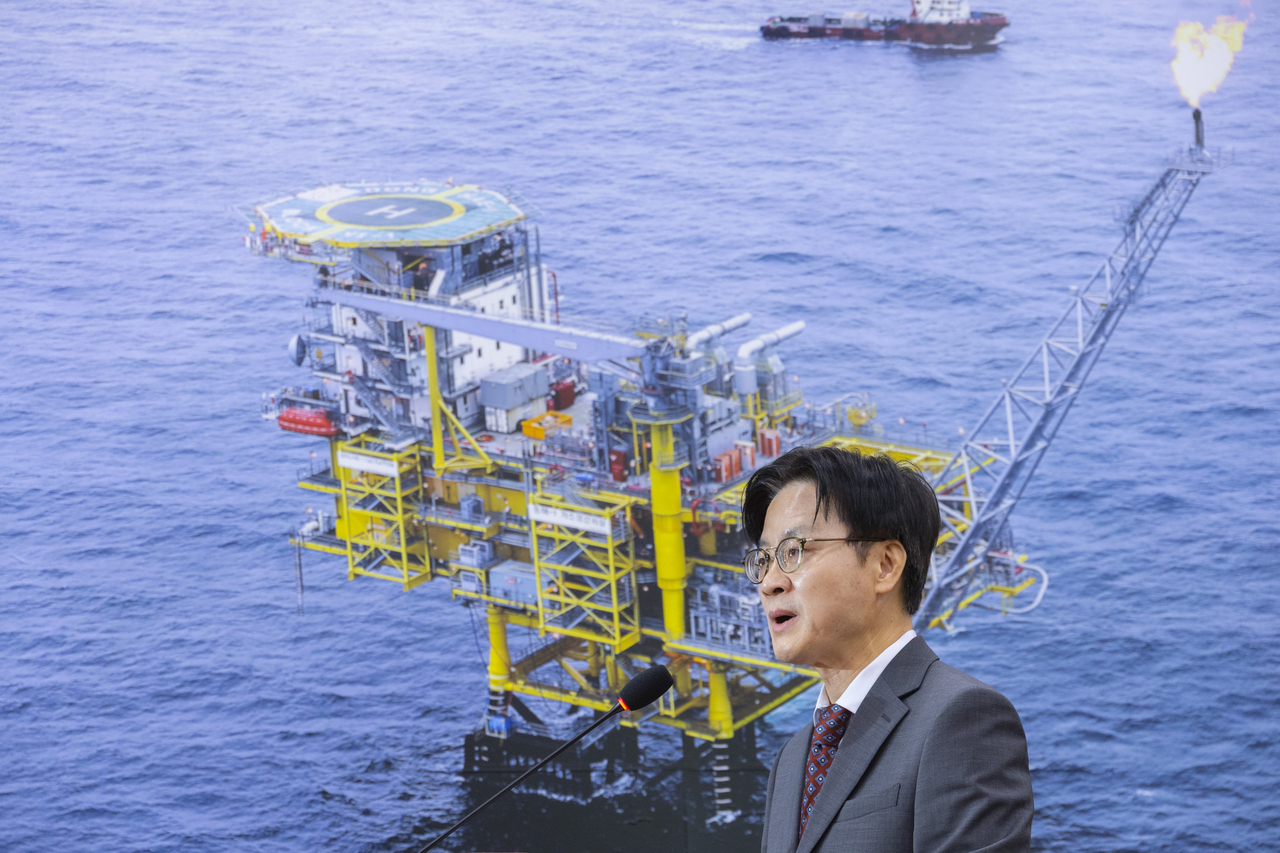
![Kim Min-seok, a former prime minister and Democratic Party of Korea leadership contender, announces the party's four-point reform plan at the party's central headquarters in Yeongdeungpo-gu, Seoul, on Wednesday. [Yonhap]](https://wimg.heraldcorp.com/news/cms/2026/07/15/rcv.YNA.20260715.PYH2026071506550001301_P1.jpg)
Former Prime Minister Kim Min-seok, who is preparing to run for Democratic Party of Korea leader at the party's Aug. 17 national convention, said Wednesday that the party has no future unless it broadens dialogue with young people, expands its points of contact with them and transforms itself into a youth-friendly party.
Kim unveiled the "Democratic Party Four-Point Reform Plan" at the party's member zone in Yeongdeungpo-gu, Seoul, centering on the themes of youth, integration, member sovereignty and fairness.
To rebuild the party's future support base, Kim said he would form a "1030 Policy Council" reporting directly to the party leader. He also plans to regularize policy coordination meetings between the party's youth and university student committees and the government, as well as cross-ministry ministerial meetings. He added that he would push the government to establish a minister-level Youth Policy Committee.
On the question of an elected youth supreme council member — a proposal dropped during the recent process of setting national convention rules — Kim said, "A youth supreme council member may not be a cure-all, but I think it could at least be one remedy, and I believe it was a mistake to leave it out." He said he would allocate one of the appointed supreme council seats to a youth member through a festival-style election held immediately after the convention.
Regarding a merger with the Rebuilding Korea Party — which had previously fallen through — Kim laid out three conditions: approval from members of both the Democratic Party and the Rebuilding Korea Party, and preservation of the Democratic Party's name and identity. "If all three conditions are met, I believe a merger would be possible," he said. "If even one is not, then the two parties can simply form an alliance."
Kim also said he would position the party as an "AI cultural party built on deliberative sovereignty" and form a "True Member Sovereignty Task Force." He outlined plans to introduce a European-style deliberative full-member vote system and to expand the rights of long-term members who have held party membership for 10 or 20 years or more.
Pledging to normalize fair system-based candidate nomination, Kim called for mandatory primary debates, full disclosure of the nomination process and data, and institutionalized external verification. He added that he would standardize nationwide the eligibility criteria for nomination — covering criminal records, assets and military service — and introduce a single-shot preferential voting system.
addressh@heraldcorp.com