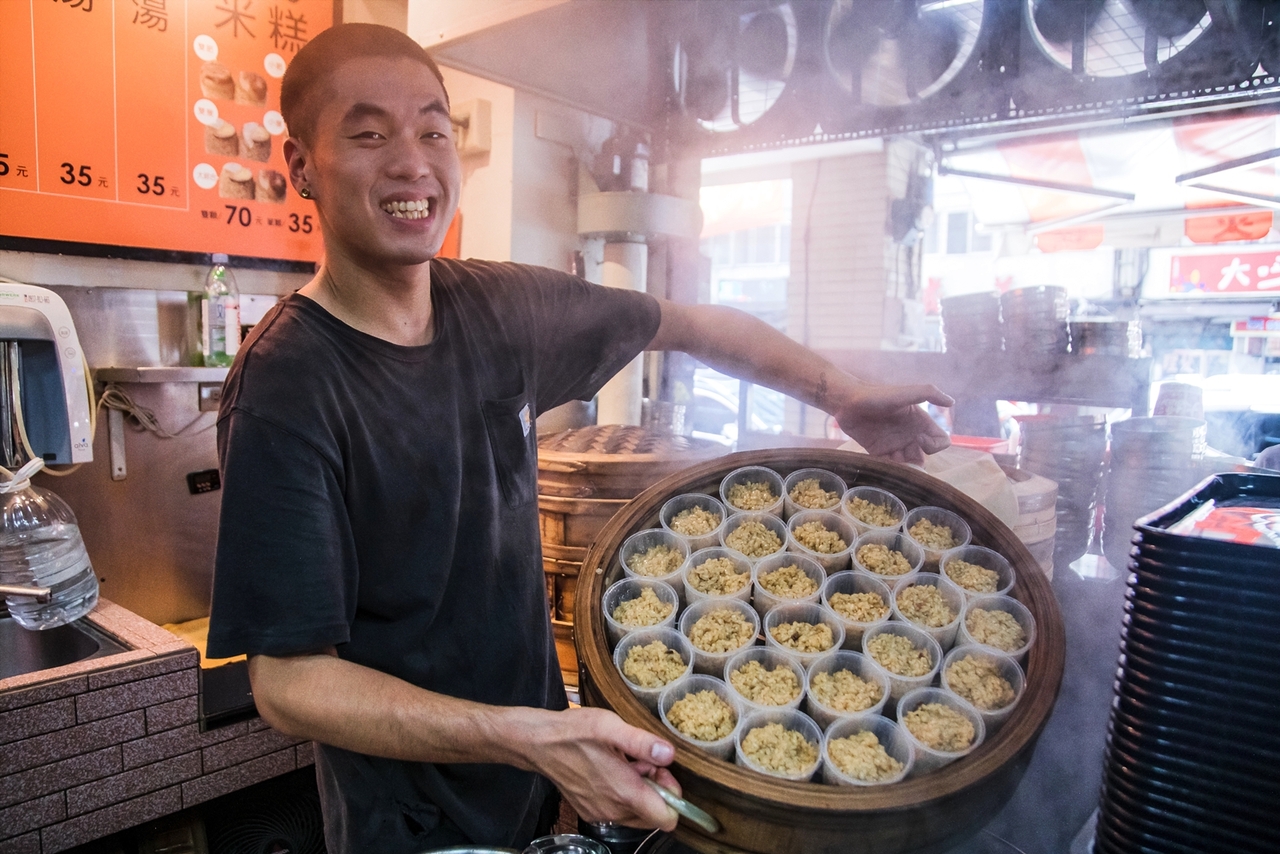
A festival showcasing Taiwan's rich culinary offerings — from beloved staples familiar to Korean visitors, such as beef noodle soup, braised pork rice, popcorn chicken and bubble tea, to a wide array of local specialties — is set to open later this month.
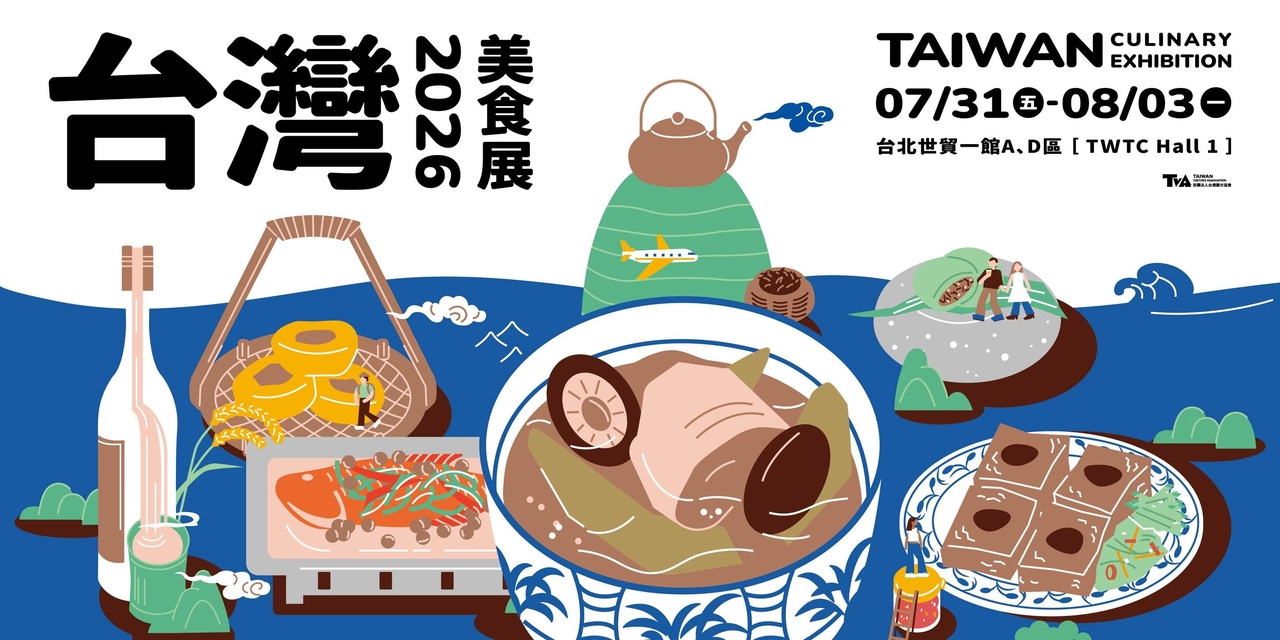
The Taiwan Tourism Administration said the Taiwan Gourmet Festival, the island's largest food event, will be held from July 31 to Aug. 3 at Hall 1 of the Taipei World Trade Center. The annual summer event will take "nurturing through terroir" as its theme this year, showcasing techniques such as brewing, fermentation and aging while highlighting the deep connections between Taiwan's climate, soil and food culture.
Taiwanese cuisine has been drawing strong international acclaim. Bloomberg named Taipei one of the cities worth visiting this year, calling it a "rising food city," while Time Out magazine selected Tainan as one of Asia's top 10 street food cities for 2025. Taiwan has also caught the attention of the Michelin Guide, which began evaluating the island in 2018 and has since expanded its coverage to seven cities: Taipei, New Taipei, Taoyuan, Taichung, Changhua, Tainan and Kaohsiung.
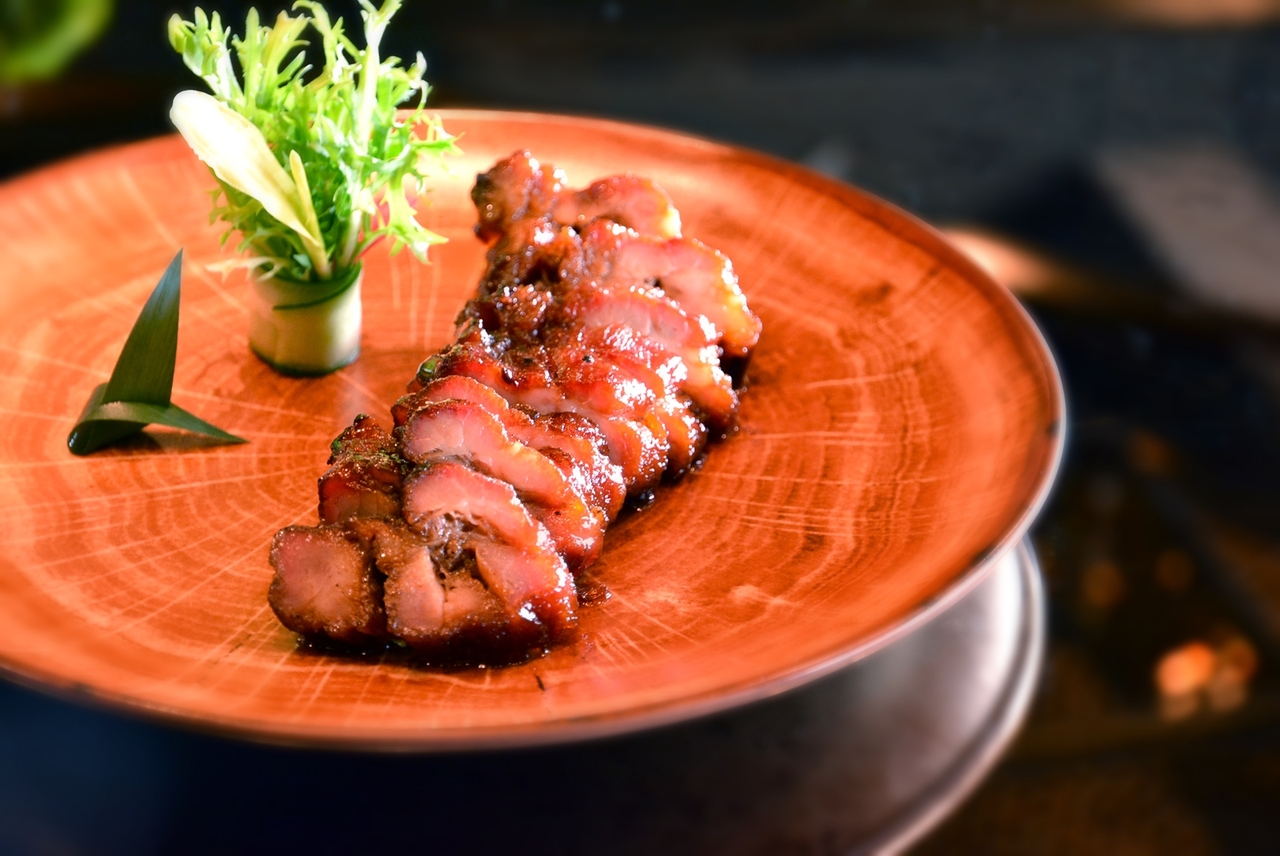
Taiwanese cuisine has developed a culinary identity shaped by the island's geography and complex history. Rooted in mainland Chinese cooking, it has been transformed by Taiwan's distinct climate, local ingredients and historical currents. At its base, Taiwanese food draws on the cuisine of Fujian province — known as Minnan — while incorporating the traditions of Hakka culture and the indigenous peoples of Taiwan. The Japanese colonial period left its mark too, introducing fish cakes, soy-braised cooking techniques and raw fish. When Chiang Kai-shek's Nationalist government relocated to Taiwan, chefs from across China followed, bringing Sichuan, Cantonese and Shandong cooking with them and blending multiple culinary traditions on the island. This diversity and openness — forged over centuries of exchange among different peoples — is widely regarded as the defining strength of Taiwanese gastronomy.
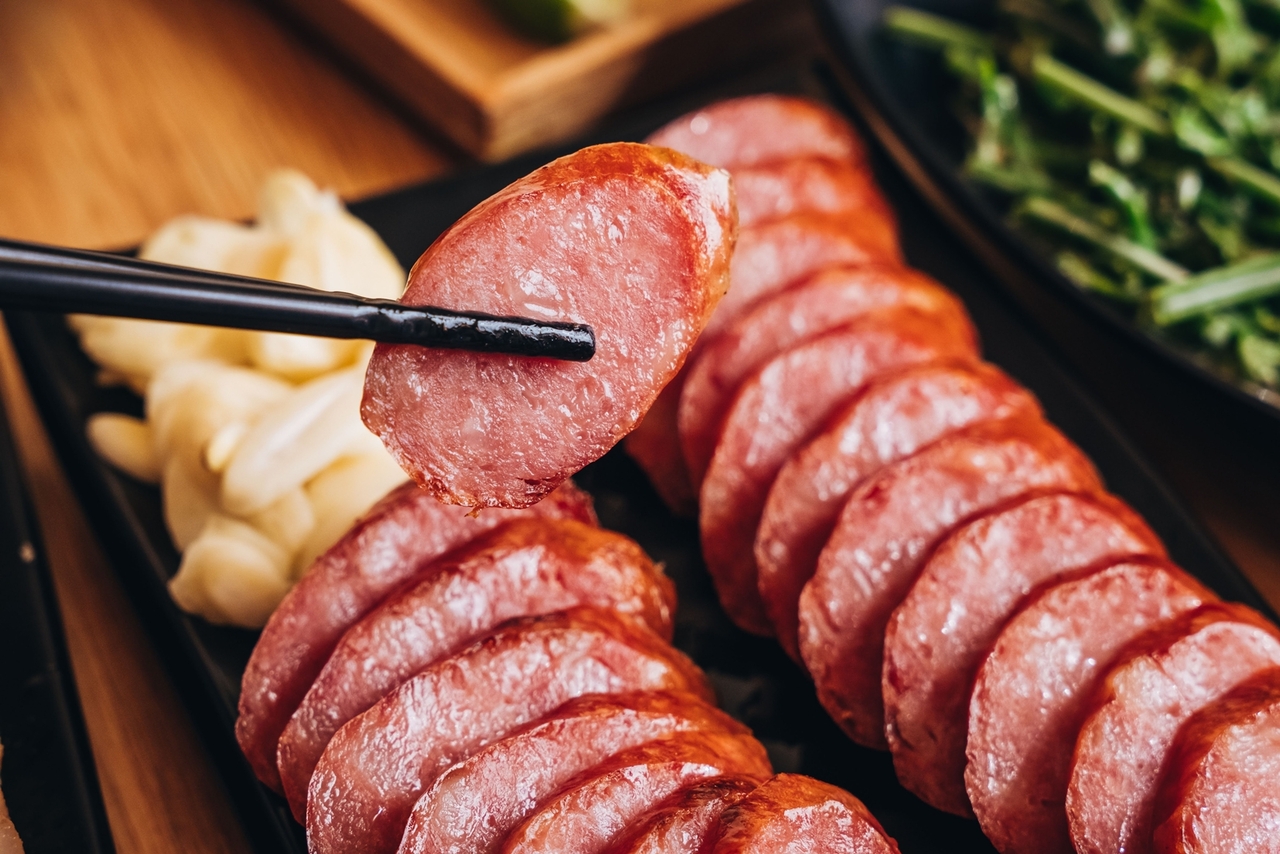
Taiwanese food culture is built around xiaochi — small, casual bites — and the night market. Rather than elaborate formal meals, the tradition is to graze on a variety of dishes at small, long-standing stalls and street vendors. Beef noodle soup, the island's national dish, was created by immigrants from Sichuan who combined their cooking with local Taiwanese ingredients; it comes in two styles — the spicy, soy-braised "hong shao" and the clear-broth "qing dun." Braised pork rice layers finely chopped pork slow-cooked with five-spice, soy sauce and sugar over steamed rice. Popcorn chicken, a night-market staple, is made from flattened, marinated chicken breast coated in starch and deep-fried. Oyster vermicelli — thin rice noodles in a bonito-based broth topped with braised pork intestines or oysters, finished with black vinegar and minced garlic — reflects the enduring influence of Japanese food culture. On the dessert side, pineapple cake, a buttery shortbread filled with pineapple jam, and bubble tea — black tea with milk and tapioca pearls — have become Taiwan's most recognized sweet exports worldwide.
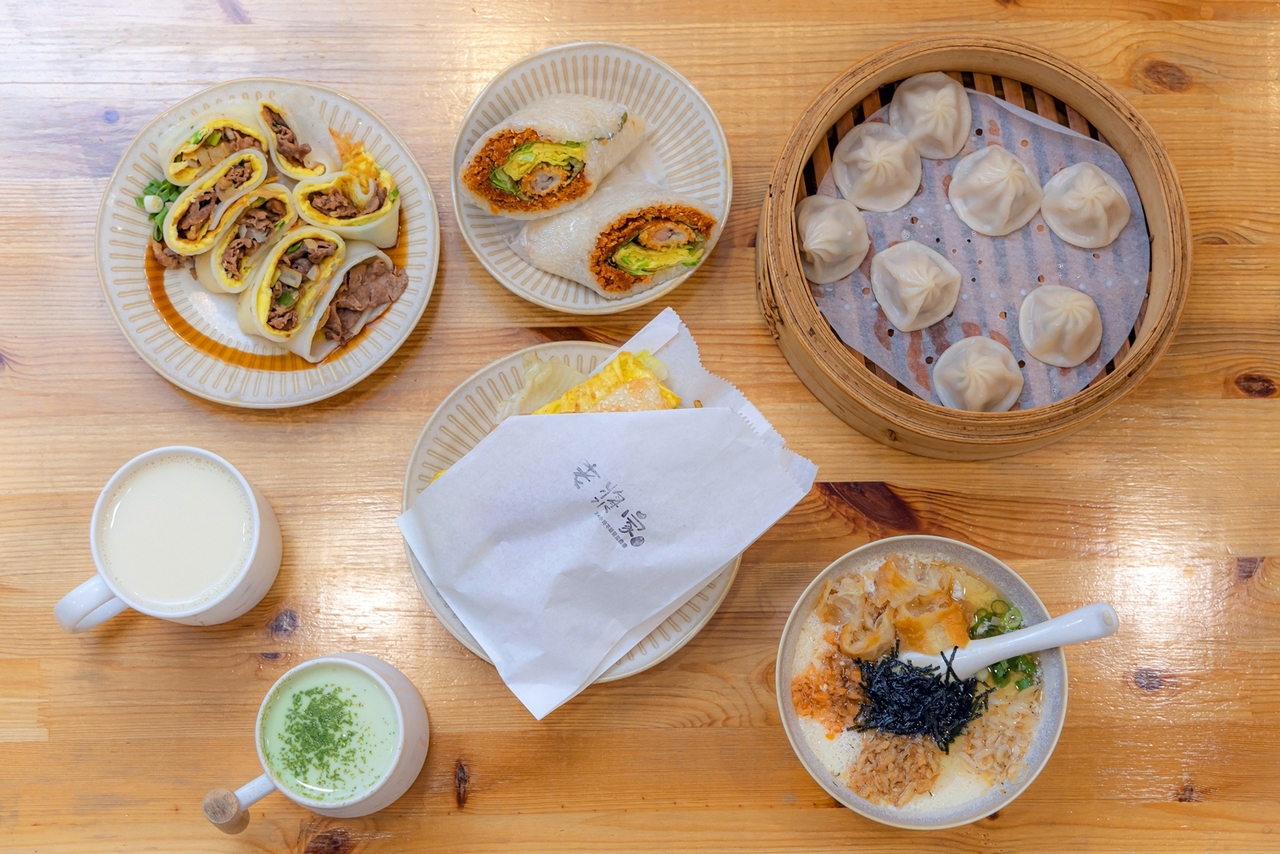
Daily life in Taiwan begins at the breakfast shop. Tucked into alleyways across the island, these morning eateries offer a generous spread — dan bing (egg crepes), shao bing you tiao (sesame flatbread with fried dough), mi jiang (rice milk) and fan tuan (rice rolls), among others. Come evening, the city's working crowd fills re chao restaurants, where stir-fried dishes cooked over a high flame are paired with Taiwan Beer. Regional specialties draw tourists to seek out the source: tempura at Jilong Miaokuo, ba wan (meat dumplings) in Changhua, and fish soup and milkfish soup in Tainan.
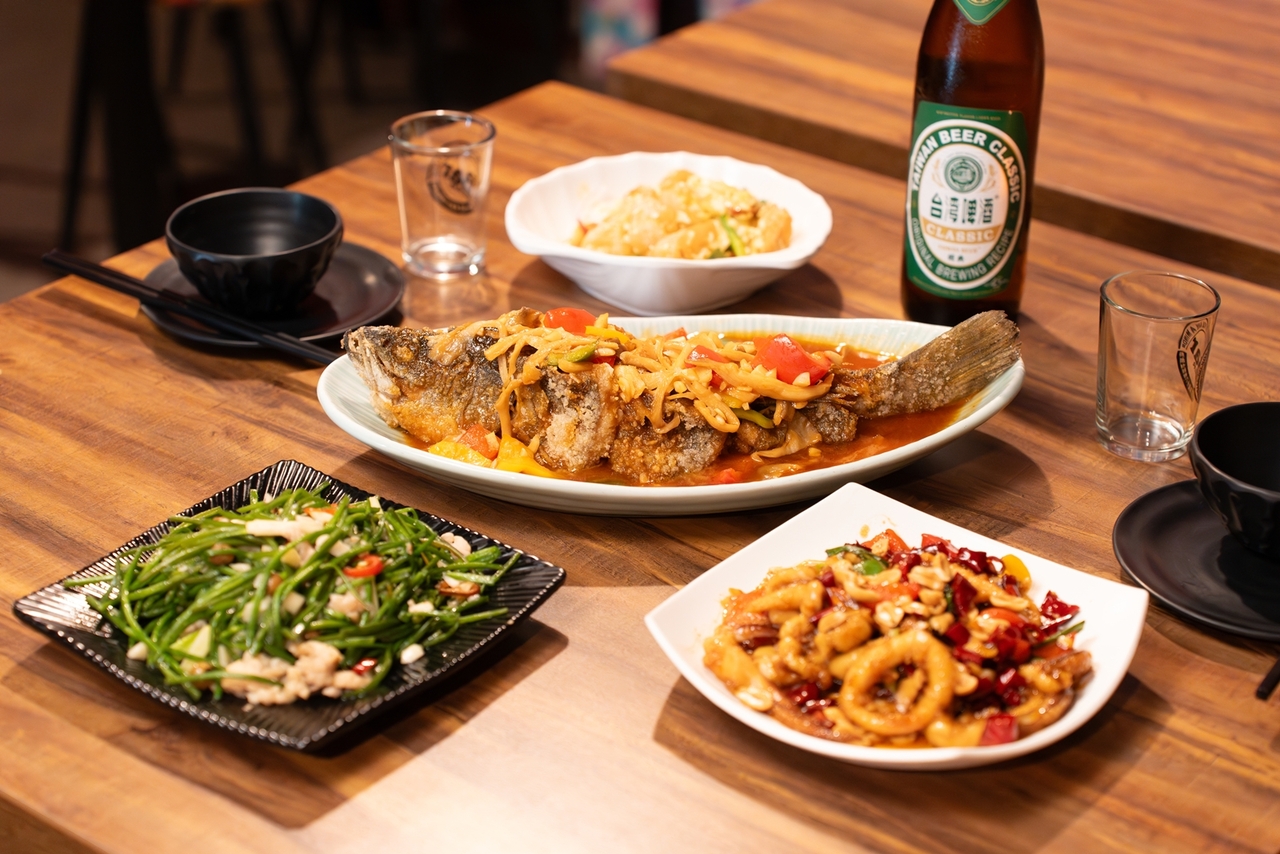
Compared with mainland Chinese cooking, Taiwanese cuisine dials back intense heat and oiliness in favor of clean, subtly sweet flavors that let the ingredients speak for themselves. The Fujianese influence is particularly evident in the use of sugar or Taiwanese red rice malt syrup to add sweetness. Where Chinese cooking often relies heavily on Sichuan pepper, star anise and cloves, Taiwanese cooking uses aromatics with a lighter hand. Taiwanese basil — known locally as jiu ceng ta — is a signature herb that appears regularly in dishes such as three-cup chicken and clam stir-fry, added at the final stage of cooking to impart a fresh, clean fragrance that is distinctly Taiwanese. The island's coastline also drives high seafood consumption, and Japanese culinary influence shows up in the use of bonito-based broths and jiang you gao, a thick Taiwanese soy sauce. While mainland Chinese cooking prizes the high-heat wok technique, Taiwanese cuisine has developed a tradition of slow simmering and braising.
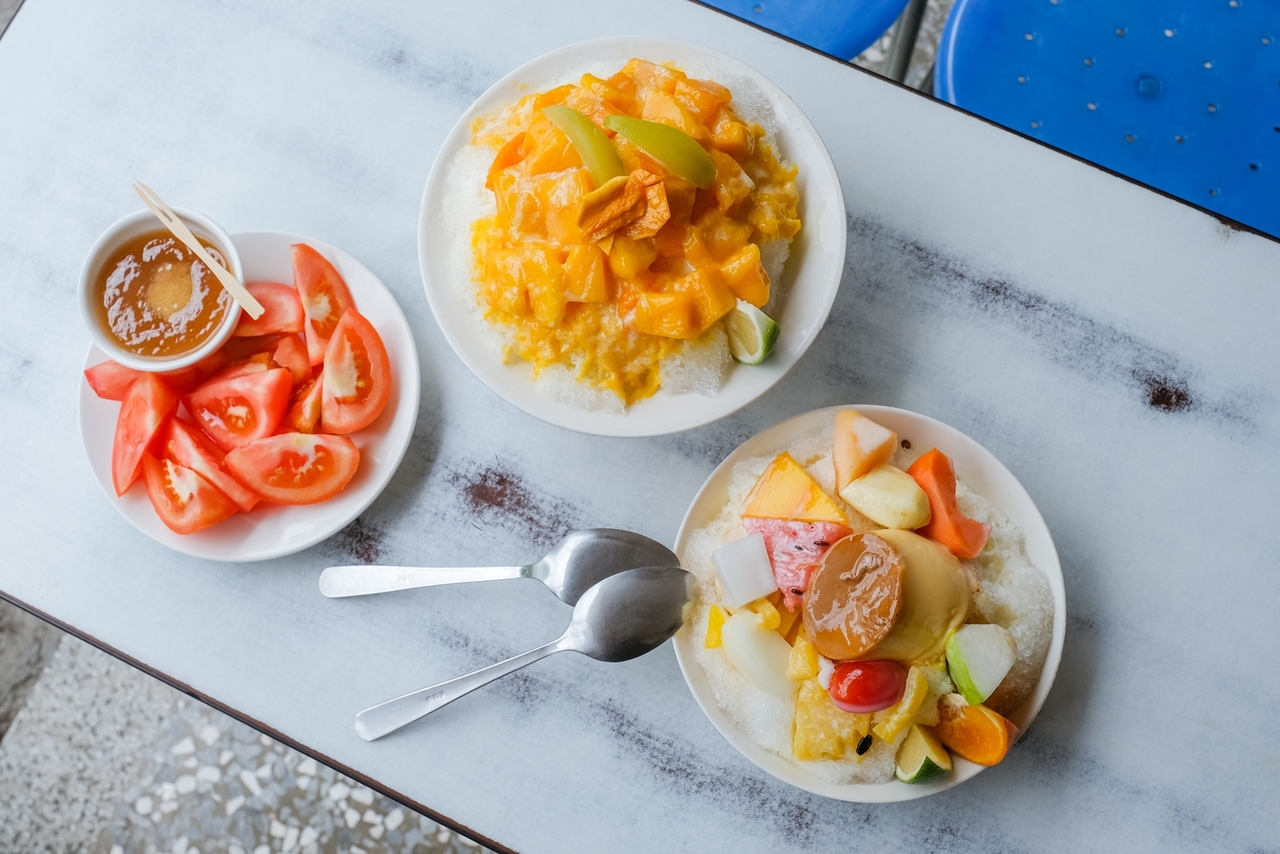
Taiwan's varied terrain and climate — spanning tropical to subtropical zones — have also fostered strong production of tea, coffee and fruit. High-mountain teas from Alishan, Lishan and Dayuling have developed distinctive flavors in cool, misty conditions, while the specialty coffee industry has diversified from farms in Taitung and Chiayi to cafes across Taipei. Mangoes, pineapples and sugar apples, prized for their sweetness, feature prominently in summer desserts and shaved ice. Taiwanese cuisine has also embraced Hakka cooking and indigenous traditions — including mountain vegetables and wild boar — and, shaped by religious influences, the island supports a restaurant infrastructure spanning temple vegetarian food to modern vegan dining.
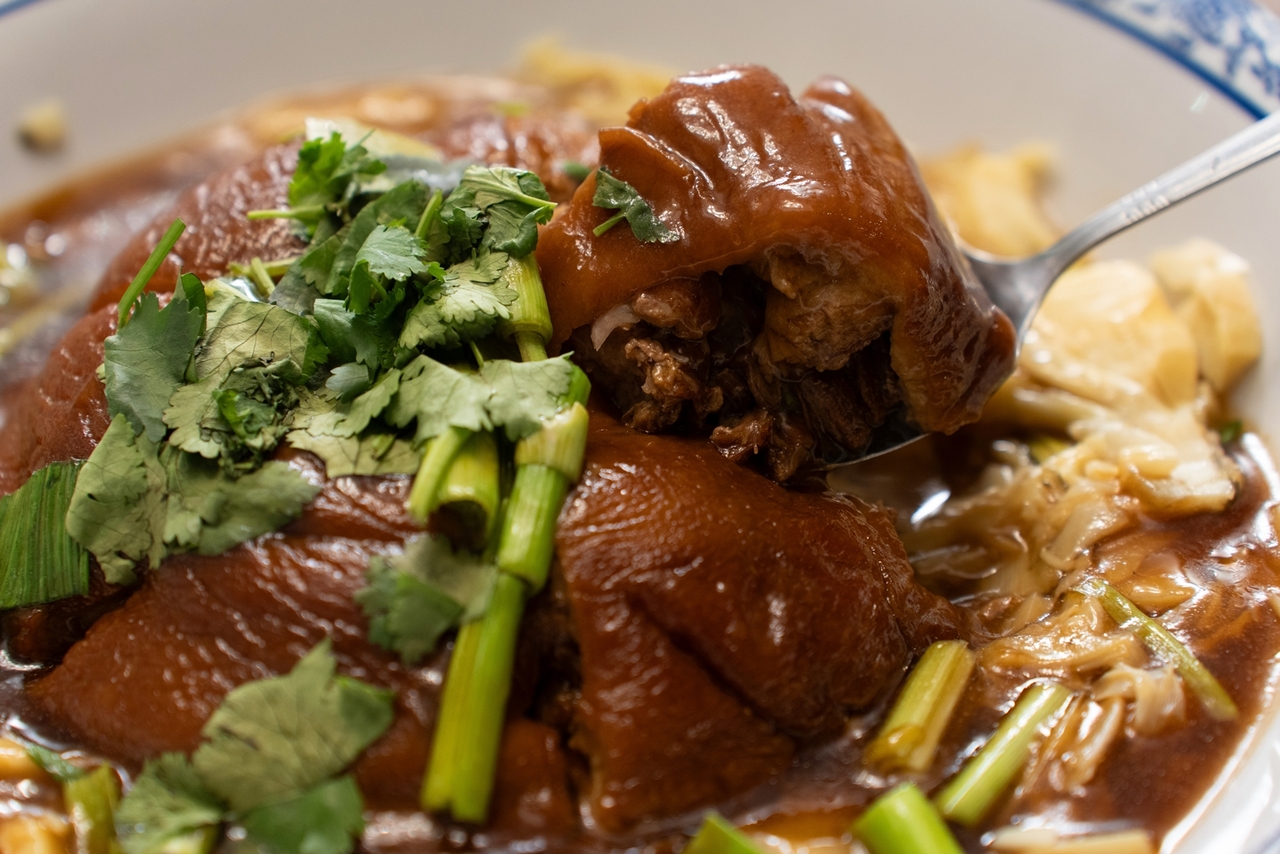
The Taiwan Gourmet Festival venue will bring together agricultural and specialty products from across the island, souvenirs, well-known restaurants and top chefs, offering visitors an immersive experience of Taiwanese food culture. The exhibition is expected to shed light on the historical fusion and distinctive cooking methods that have earned Taiwanese cuisine global recognition, and to convey the real depth of the island's culinary heritage.
"Taiwan now has seven cities covered by the Michelin Guide, and the richness of what's on offer — from street food to starred restaurants — exceeds imagination," a Taiwan Tourism Administration official said. "The Taiwan Gourmet Festival will offer a chance to experience the essence of Taiwanese cuisine, with all its diversity and historical openness, in one place."
terry@heraldcorp.com