While intermittent fasting has gained attention as a weight-loss strategy, skipping breakfast disrupts the nutritional balance needed throughout the day and raises the risk of obesity, diabetes and cardiovascular disease — concerns that a growing body of research is beginning to highlight.
According to the Korea Disease Control and Prevention Agency's 2024 National Health and Nutrition Survey, 35.3 percent of Koreans aged 1 and older — one in three — skipped breakfast last year. The rate has risen consistently every year since 2015, marking a decade-long upward trend.
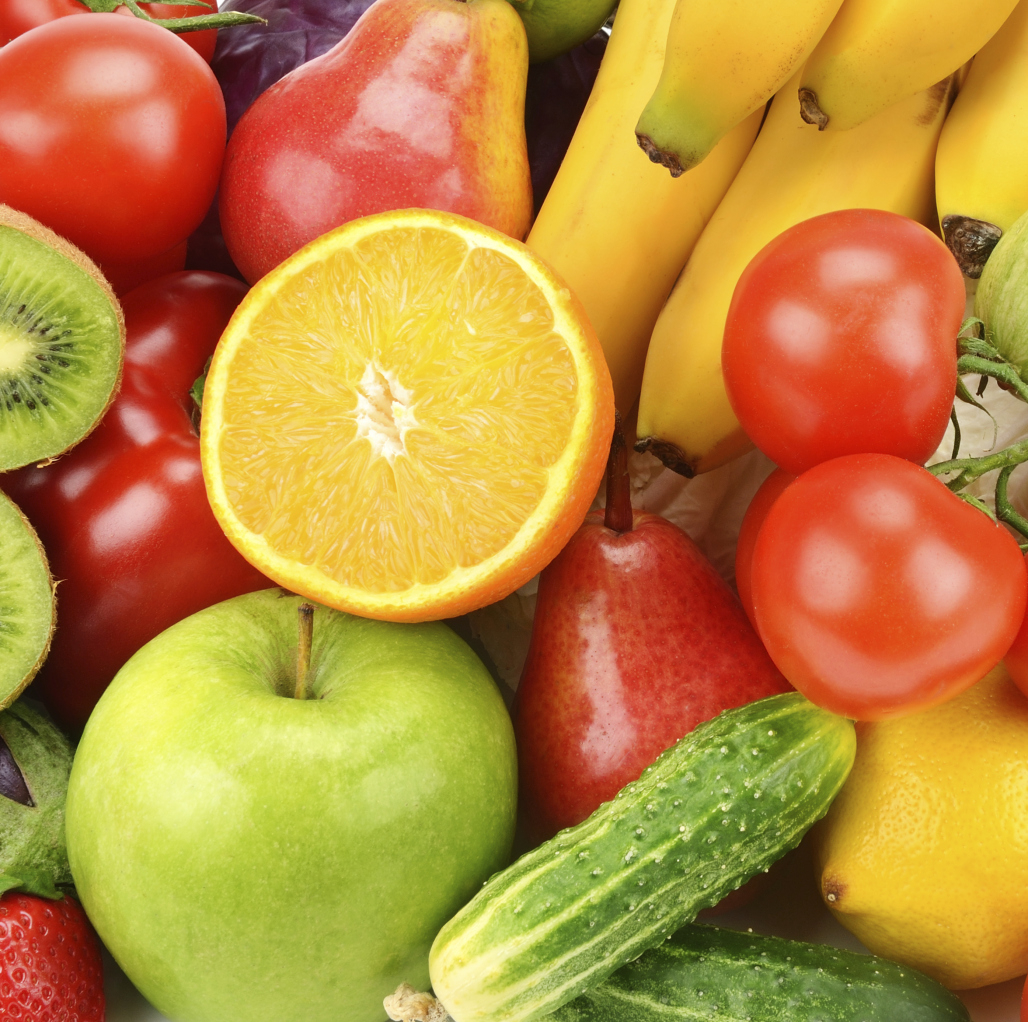
A recent UK study found that adding one daily glass of 100% vegetable and fruit juice or a smoothie to the diet not only increased produce intake but also helped ease depressive symptoms, with no adverse effects on blood sugar or metabolic health. According to the Korea Food Communication Forum on Monday, a research team led by Oliver M. Shannon, a lecturer in nutrition and aging at Newcastle University in the United Kingdom, conducted a four-week clinical trial involving 42 healthy adults who normally consumed two or fewer servings of vegetables and fruit per day. Participants were randomly assigned to a control group, a group that increased vegetable and fruit intake alone, or a group that combined increased produce consumption with one daily glass of 100% vegetable and fruit juice or a smoothie. All participants received partial subsidies for purchasing produce and educational materials on how to follow the regimen.
The results were encouraging. The group that added juice or smoothies increased their daily vegetable and fruit intake to 6.6 servings, while the control group remained at around 2.45 servings. Both intervention groups successfully raised their produce consumption. Particularly notable were the mental health findings. The juice and smoothie group showed a significantly lower depression score than the control group. Blood tests also found no negative changes in metabolic health markers. The researchers concluded that a diet incorporating vegetable and fruit juice can help boost produce intake without adversely affecting health indicators.
"Many people know they should eat enough vegetables and fruit, but often fail to do so because of time constraints, cost and the hassle of preparation," the researchers wrote. "100% vegetable and fruit juice can be a practical way to lower these barriers and make it easier to reach the recommended daily intake." They added that "the improvement in depressive symptoms observed in the juice group warrants further verification through larger-scale studies."
Insufficient vegetable and fruit consumption remains a significant global public health concern. WHO recommends that adults eat at least 400 grams of vegetables and fruit per day, yet few people meet that target. The researchers described the study as showing that "a practical, achievable dietary habit may matter more for health improvement than a perfect diet."
Bae Yun-jung, a professor in the Department of Food and Nutrition at Korea National University of Transportation, said skipping breakfast makes it difficult to consume the full range of nutrients needed throughout the day and is not conducive to chronic disease prevention or long-term health management. "Ideally, breakfast should include a generous variety of vegetables and fruit," she said. "But for those short on time, a 100% cold-pressed juice blending multiple types of vegetables and fruit — along with filling options like carrots, apples and nuts — can be a practical way to supplement plant-based nutrients more easily and in a balanced manner."
kty@heraldcorp.com