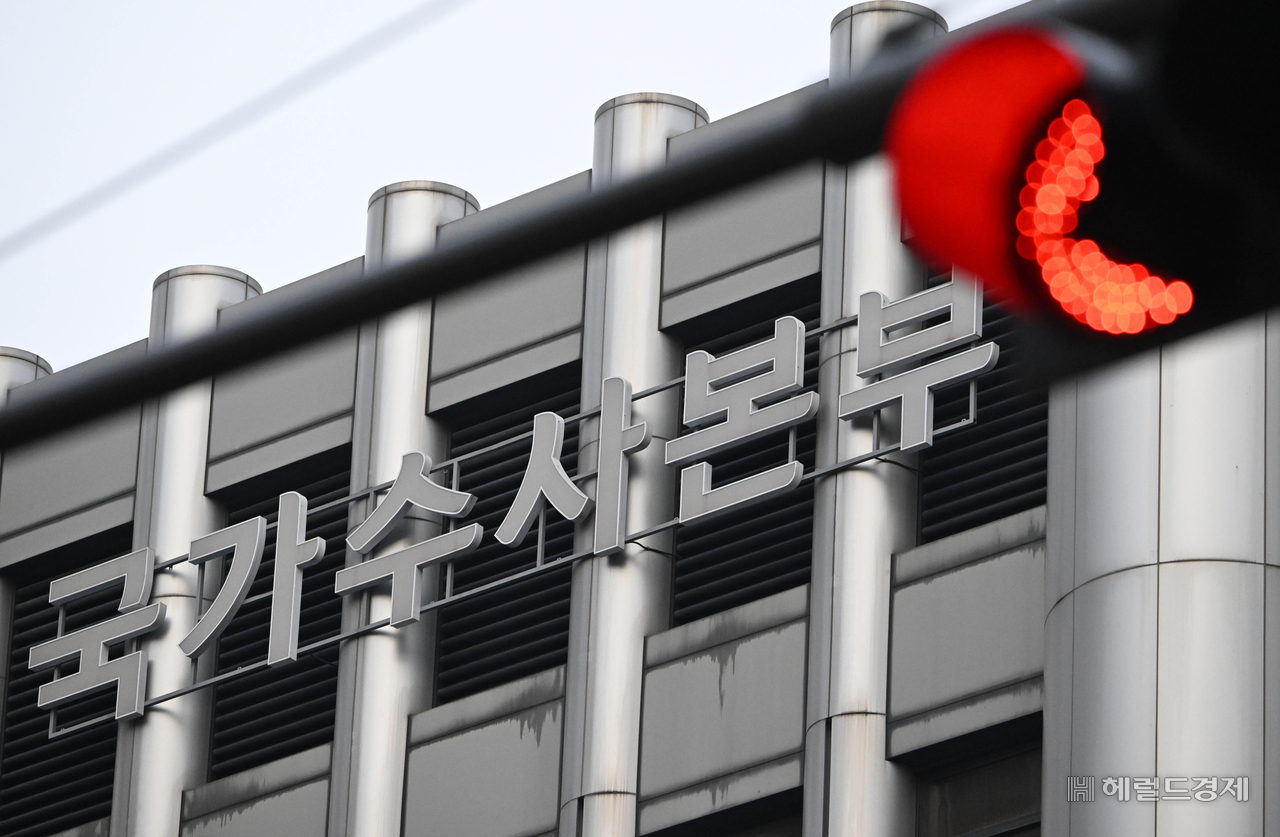
The Korean National Police Agency has been rolling out a series of self-reform measures after allegations emerged that officers downplayed charges against murderer Jang Yun-gi and destroyed evidence in his case. As calls grew for prosecutors to retain supplementary investigation powers to check police work — ahead of the planned abolition of the prosecution service — police stood firm, saying supplementary investigation requests alone are sufficient.
Acting Police Commissioner Yoo Jae-seong said Monday at a regular press briefing at the agency's headquarters in Seodaemun-gu, Seoul, that it would overhaul its investigative practices from the ground up in response to the case. "Police will do their utmost to reform the entire investigative system and restore public trust," he said, adding that the agency would "swiftly improve the overall system so that no more innocent victims suffer through the police investigation process as the new criminal justice framework is about to take effect."
Yoo expressed remorse over the handling of the case. "We are sincerely sorry to the victim's bereaved family and the public regarding the circumstances of shoddy investigation and evidence destruction," he said. "Police promise to investigate more thoroughly, uncover the full truth, and severely punish those responsible."
Yoo said the agency would launch a police investigation reform TF — including outside experts — within the month. "We will review and actively pursue tasks that need improvement in the system for rooting out police misconduct and in the procedures for handling cases involving socially vulnerable people," he said. The TF will consist of around 10 members, with outside experts making up the majority.
He also said preparations are underway to establish an internal corruption investigation unit under the direct authority of the National Investigation Headquarters chief, tasked with probing major crimes related to officers' duties.
On the question of whether prosecutors should retain supplementary investigation powers, Yoo said the focus should be on fixing the police's own problems rather than linking the Jang Yun-gi case to that debate. "I think we should focus on how to improve the police's shortcomings rather than connecting the Jang Yun-gi case to the issue of supplementary investigation powers," he said.
He said police had thoroughly reviewed ways to achieve the effect of supplementary investigations through requests alone, and that the amended Code of Criminal Procedure already contains many provisions to make such requests substantive. "I believe we can design a system that carefully examines the structural problems that inevitably lead to corruption in police investigations, so that the public does not suffer harm," he added.
Regarding Interior and Safety Minister Yun Ho-jung's public address on Thursday — in which Yun said the government would introduce a police rotation system to eliminate local ties — Yoo said there were internal concerns and that the agency was gathering opinions from the field. "We will work to find a reasonable approach that both restores public trust and wins the understanding of our own members," he said.
On the disciplinary action against Inspector Jang, the father of Jang Yun-gi who is suspected of colluding with the police investigation chain to destroy evidence, Yoo said the agency "plans to take action with reference to the results of the ongoing police investigation."
arin@heraldcorp.com