"The number of times I reached for my smartphone on Friday dropped dramatically."
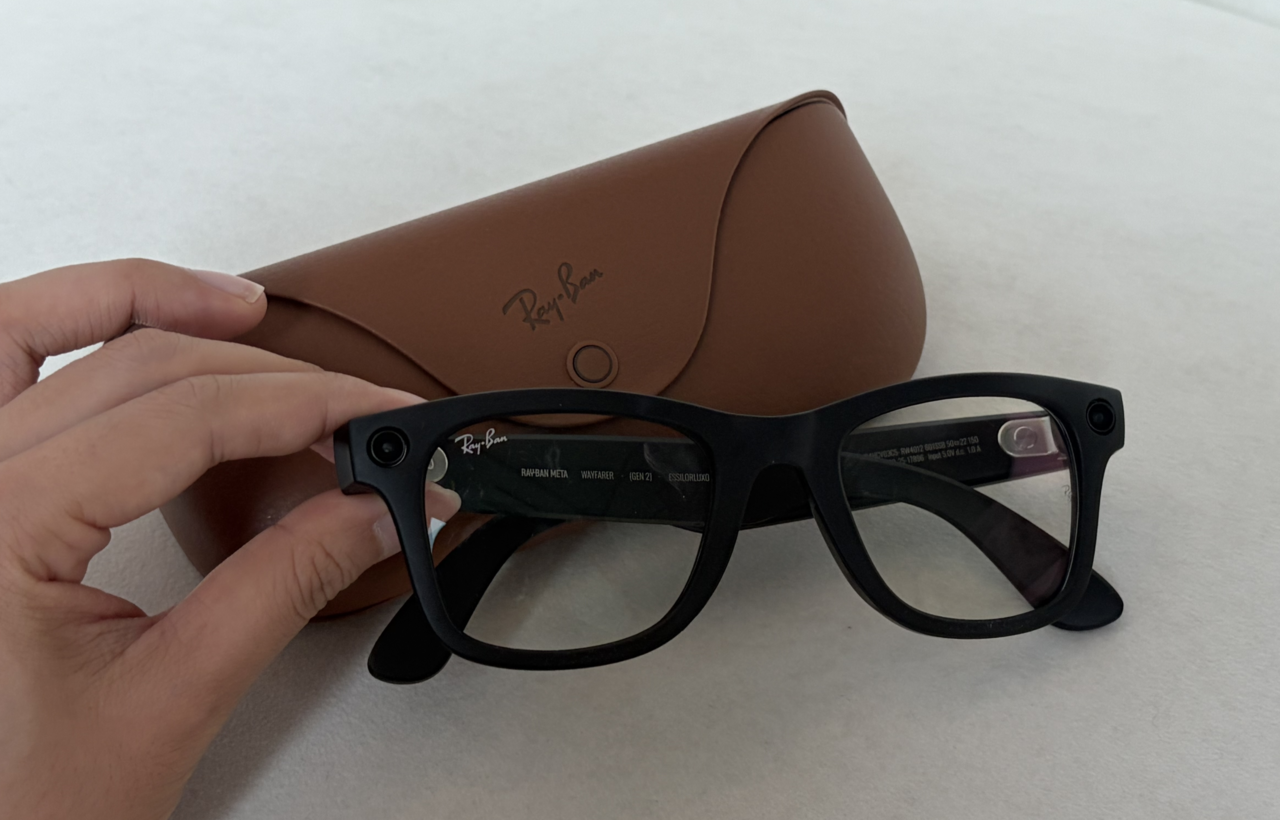
That was the takeaway after this reporter spent a full day testing Meta's AI glasses, the Ray-Ban Meta 2nd Generation.
If the experience could be summed up in a single line, it would be: a device that merges every wearable that has come before it, then adds AI on top. Like a smartwatch, it let me check notifications without pulling out my phone, while also functioning like wireless earbuds for music and calls. Add in camera and voice-driven AI features, and the sense of living with a real "AI assistant" suddenly felt tangible.
The Ray-Ban Meta is an AI wearable that pairs voice and camera hardware built into a glasses frame with Meta's conversational AI assistant, Meta AI. Prices start at 690,000 won ($470) for the standard model, with a polarized-lens version available at 740,000 won, both inclusive of VAT.
The standout feature, as this reporter experienced it, was the Ray-Ban Meta's hands-free operation. After putting the glasses on, saying "Hey Meta" and speaking a question or command was all it took — Meta AI responded without any need to pick up a phone. The Ray-Ban Meta's ability to catch the "Hey Meta" wake word and correctly interpret voice commands was accurate enough that mishaps were rare.
The most useful feature by far was making phone calls. Saying "Call [name]" prompted Meta AI to search the contacts list and connect automatically. When duplicate names appeared in contacts, the assistant asked for clarification by mentioning the person's affiliated organization. In three test calls, it found and connected to the right person every time.
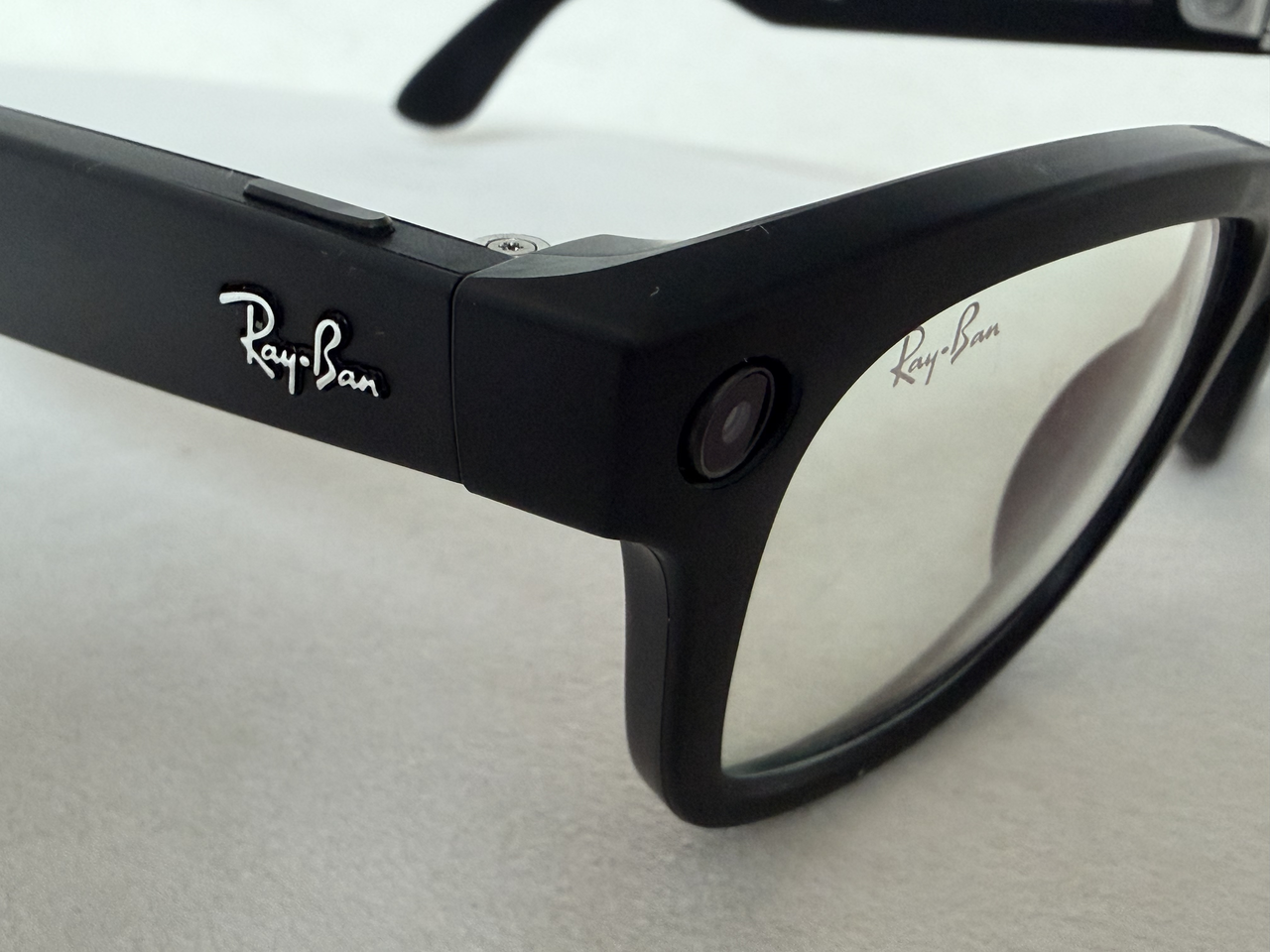
Voice commands also handled photo and video capture. The glasses are equipped with 12-megapixel ultra-wide cameras on both sides of the frame. Pressing a button on the frame or saying "Hey Meta, take a photo/video" instantly captured whatever was in view. To stop recording, saying "Stop now" did the job.
The camera can also analyze objects in front of the wearer, though its grasp of Korean-specific content showed limitations, likely because it runs a foreign AI model. When reading an English translation of "The Little Prince" and asking which book a passage came from, the glasses correctly identified it as Antoine de Saint-Exupéry's work. Korean titles were a different story — pointing the camera at the cover of a domestic book and asking what it was produced a wrong answer.
Real-time voice translation also worked smoothly, suggesting the glasses could be genuinely useful for frequent travelers. After activating "live translation" in the Meta AI app and playing a video of a native English speaker, the glasses translated the speech into Korean audio almost immediately — though there was a five-to-eight-second lag. The Korean output also mixed formal and informal speech endings inconsistently.
Translating text rather than speech proved more of a stretch. The glasses handled large fonts and short sentences reasonably well but struggled to read small text on laptop or smartphone screens.
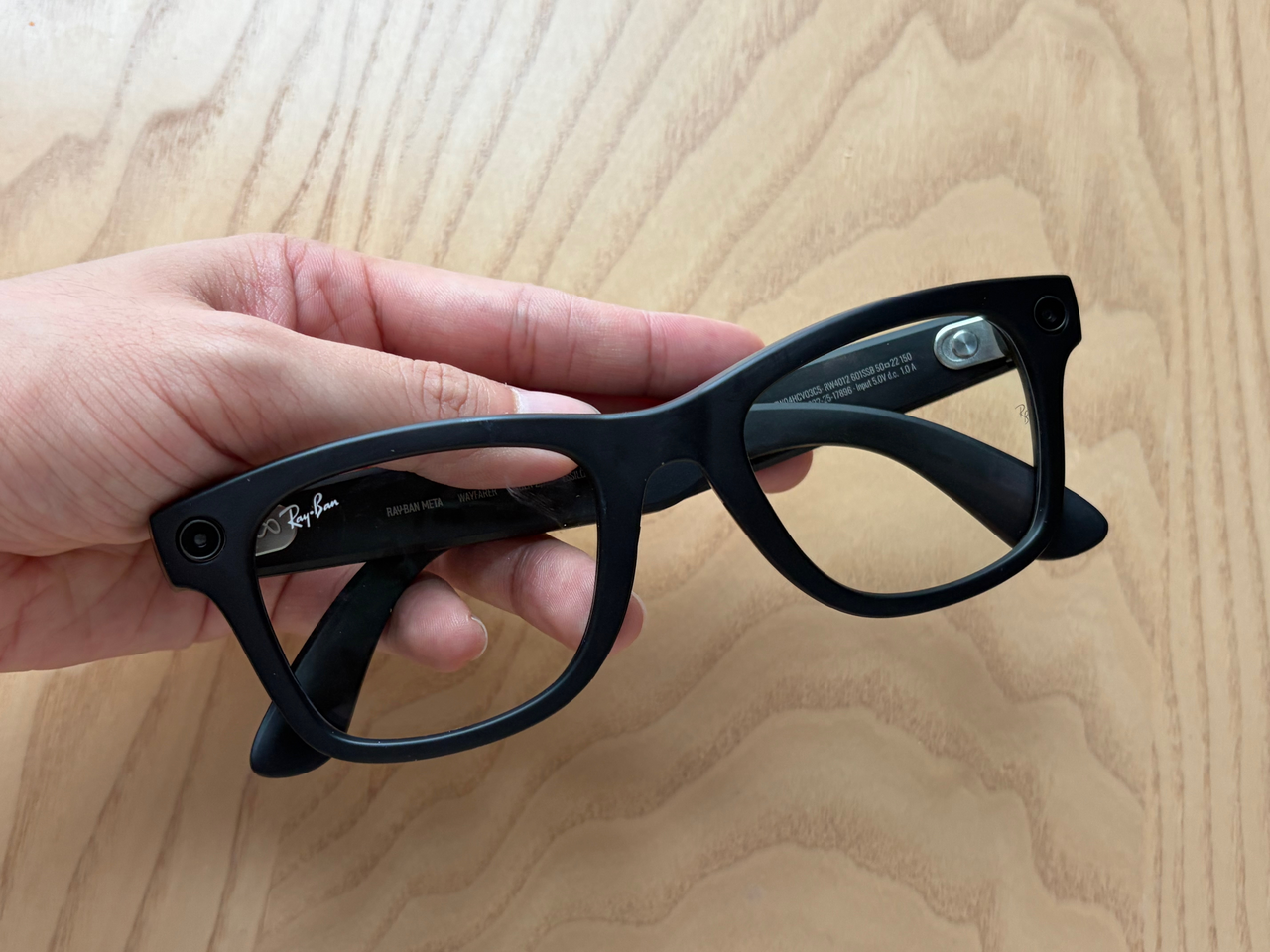
At 50 grams, the glasses are slightly heavier than ordinary frames, which typically weigh between 15 and 40 grams. They held up fine during runs lasting 30 minutes to an hour but may feel cumbersome during more dynamic physical activities.
Meanwhile, SK Telecom, KT Corp and LG Uplus officially launched the Ray-Ban Meta in South Korea on Friday, marking a push to bring AI smart devices to the mass market.
With Meta holding roughly 80 percent of the global AI glasses market, the industry is watching closely as Samsung Electronics enters the fray. Samsung Electronics unveiled its first AI glasses, the "Intelligent Eyewear," at an Unpacked event in London on Wednesday — developed in collaboration with Google and based on the Android extended reality (XR) platform. The product is set for an official release later this year.
chami@heraldcorp.com