
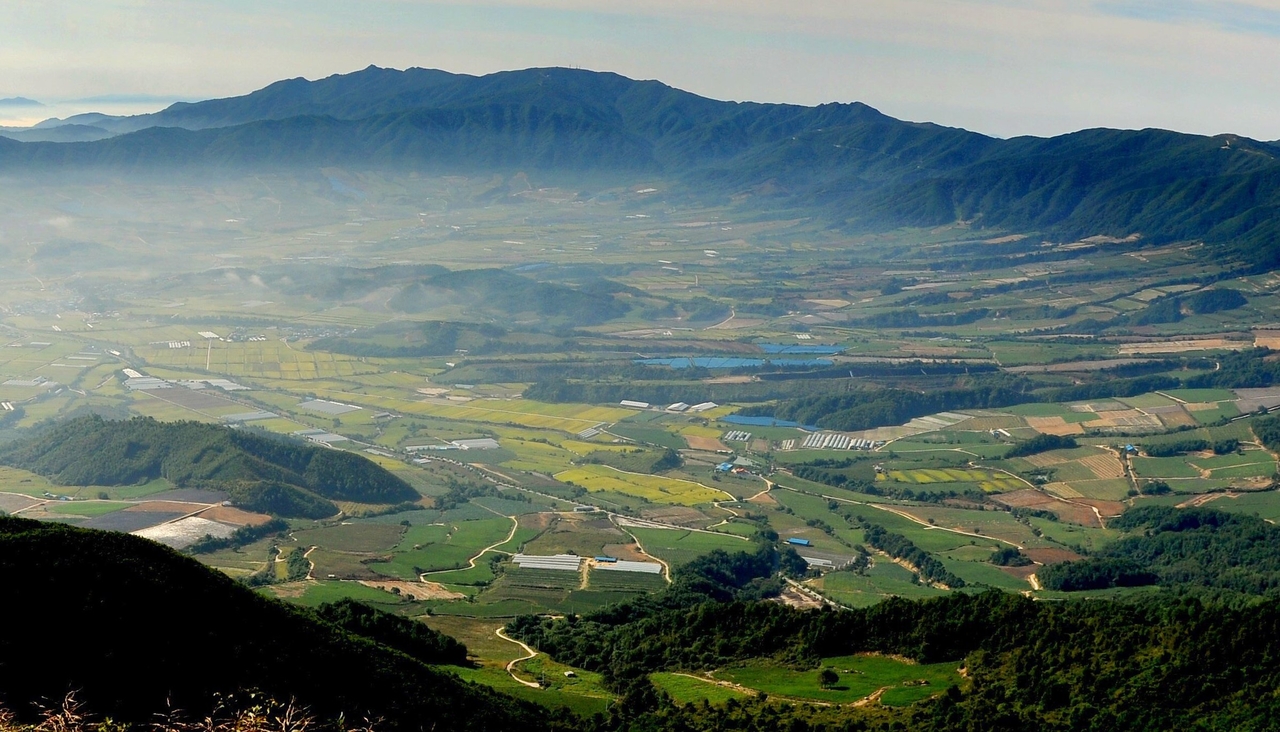
"Tepe" in Turkish (from the Göktürks) and in Mexican Aztec culture (from the Maek people), the many "Taibai" place names found across Xi'an, Beijing, Shanxi and Manchuria — territories once part of Korea's ancestral domain — and Gangwon Province's own Taebaek all share the same meaning: "a sacred high mountain or plateau."
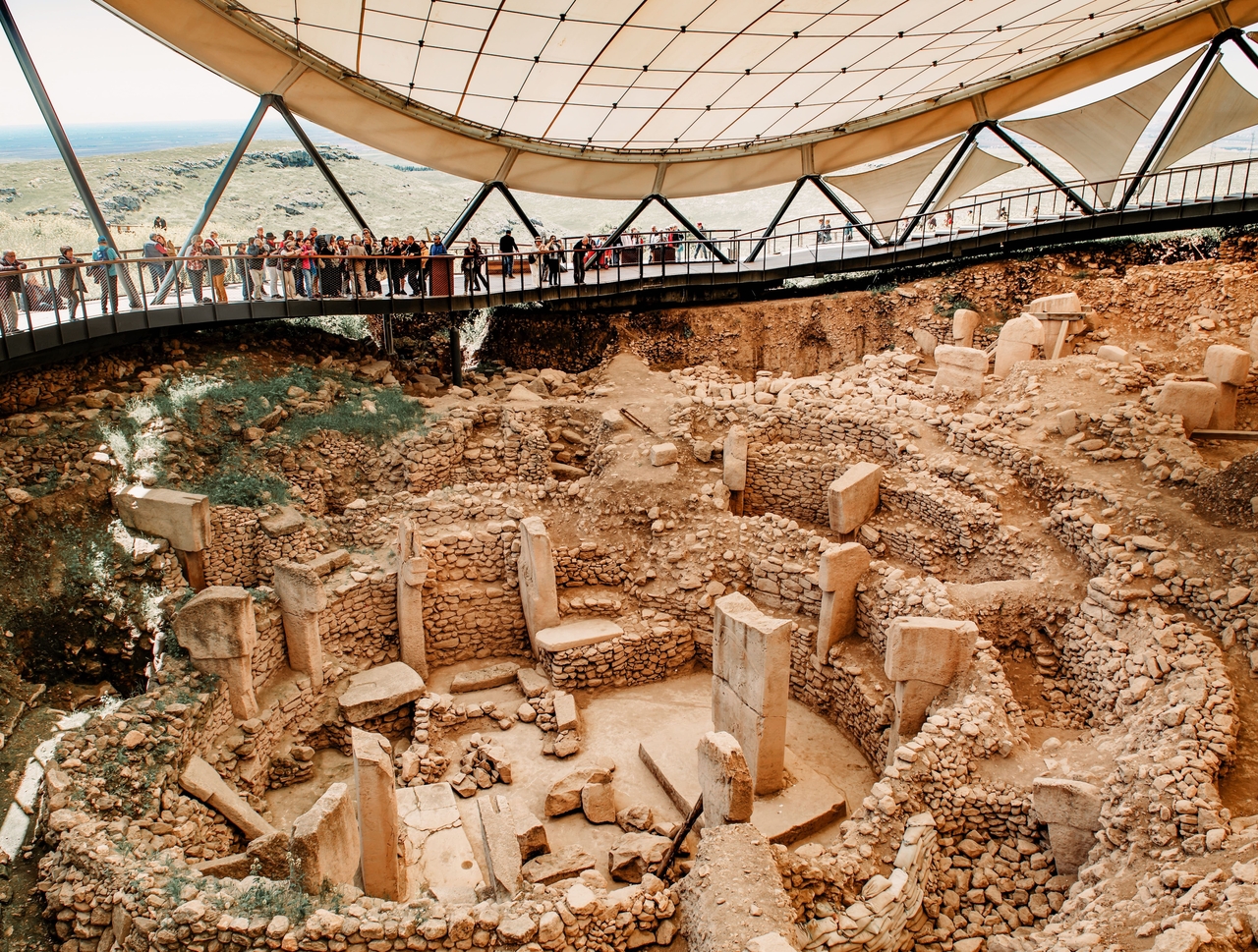
Göbekli Tepe in Turkey is, as widely known, a hilltop temple overlooking the headwaters of the Tigris and Euphrates rivers — the world's oldest known communal temple complex, some 11,000 years old. It stands as the supreme monument of dolmen-style megalithic culture. Turkey's tradition of calling Korea a "brother nation" reaches back thousands of years. If the criterion were simply helping Korea during the Korean War, then Thailand, Colombia, Ethiopia and Luxembourg would also qualify as brother nations.
Sacred peaks called "tepe" also dot the landscape around the heart of Mexico's Aztec civilization. Faced with hundreds of cultural parallels — customs, clan structures and more — that echo Korean traditions, Western scholars have struggled to mount a convincing rebuttal to the theory that "the Aztecs came from our Asadal." Some in Mexico have recently begun calling Korea a "brother nation," though that sentiment runs deeper than a single football victory over Germany. The very name "Mexico," the argument goes, derives from "Maegi," a word of Korean origin.
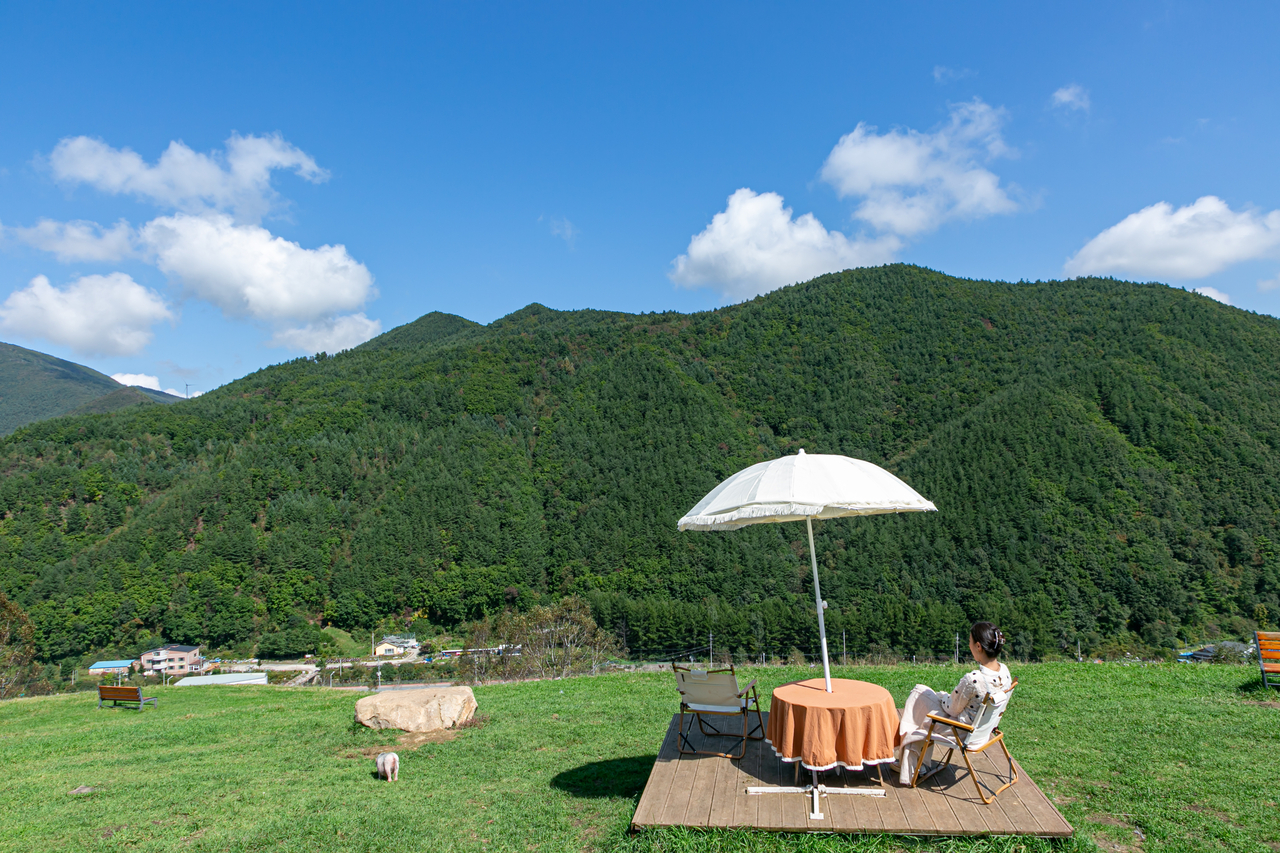
Taebaek in Gangwon Province sits on a highland plateau where even the flatlands lie 700 meters above sea level and the mountains rise to 1,500 meters — making it one of Korea's premier clean-air zones and a prime spot for stargazing and Milky Way viewing. In both location and character, it is spoken of as a sacred place, much like Mexico's Aztec heartland or Turkey's Göbekli Tepe.
As the Baekdudaegan mountain spine pushes southward, it fans out into the ranges heading toward the Yeongnam Alps and toward Jirisan, carving out a vast highland plateau across the Taebaek and Jeongseon area.
Why is there so much to see in Taebaek?
Taebaek offers more destinations than most visitors expect. Just the obvious highlights include the headwaters of the Han River (flowing west), the Nakdong River (flowing south) and Osipcheon stream (flowing east); the "Hill of Wind" on Maebongsan, where a cool breeze blows even at the height of summer; Gumunso, a strikingly beautiful site showcasing Korea's finest Paleozoic geology; the Taebaek Mountain Dumundong trekking trail, interpreted as a Gangwon outpost of the Gaeseong Dumundong refuge where loyalists made their last stand to defend Goryeo against Yi Seonggye's coup; the poignant traces of the coal industry's rise and fall, centered on Cheolam Coal Mine History Village; the alpine pastures of Montorang Ranch; and Tongni Tantan Park, filming location of the K-drama series "Mr. Sunshine."
The Gangwon Tourism Foundation recommends several rising and perennial favorites: an open-air museum reinterpreting the history of the coal industry (the "Mine of Light"); Biwaya Falls, which becomes even more spectacular in the rain; Biwaya Garden; and a local dish of mountain-herb rice served with fragrant doenjang paste.
Gangwon Special Self-Governing Province has named Taebaek and Yanggu — hometown of painter Park Soo-keun — as its recommended August travel destinations. Taebaek offers a cool highland climate and summer festivals to wash away the heat, while Yanggu invites visitors to slow down amid lakes and art.
Positioned at the southern and northern ends of Gangwon Province respectively, the two cities share one defining quality: they are among the cleanest, most pristine environments anywhere in Korea.
In Taebaek, the Han River and Nakdong River Headwaters Festival has just opened. Sunday marks the second day of events.
Taebaek is home to Geomnyongso, the source of the Han River, which flows west through Gimpo and Paju before emptying into the Yellow Sea. Just below the Hill of Wind on Maebongsan and near Samsugnyeong pass lies the headwaters of Osipcheon, a stream that winds through 50 bends before passing through Samcheok's Bonghwangcheon and flowing into the East Sea.
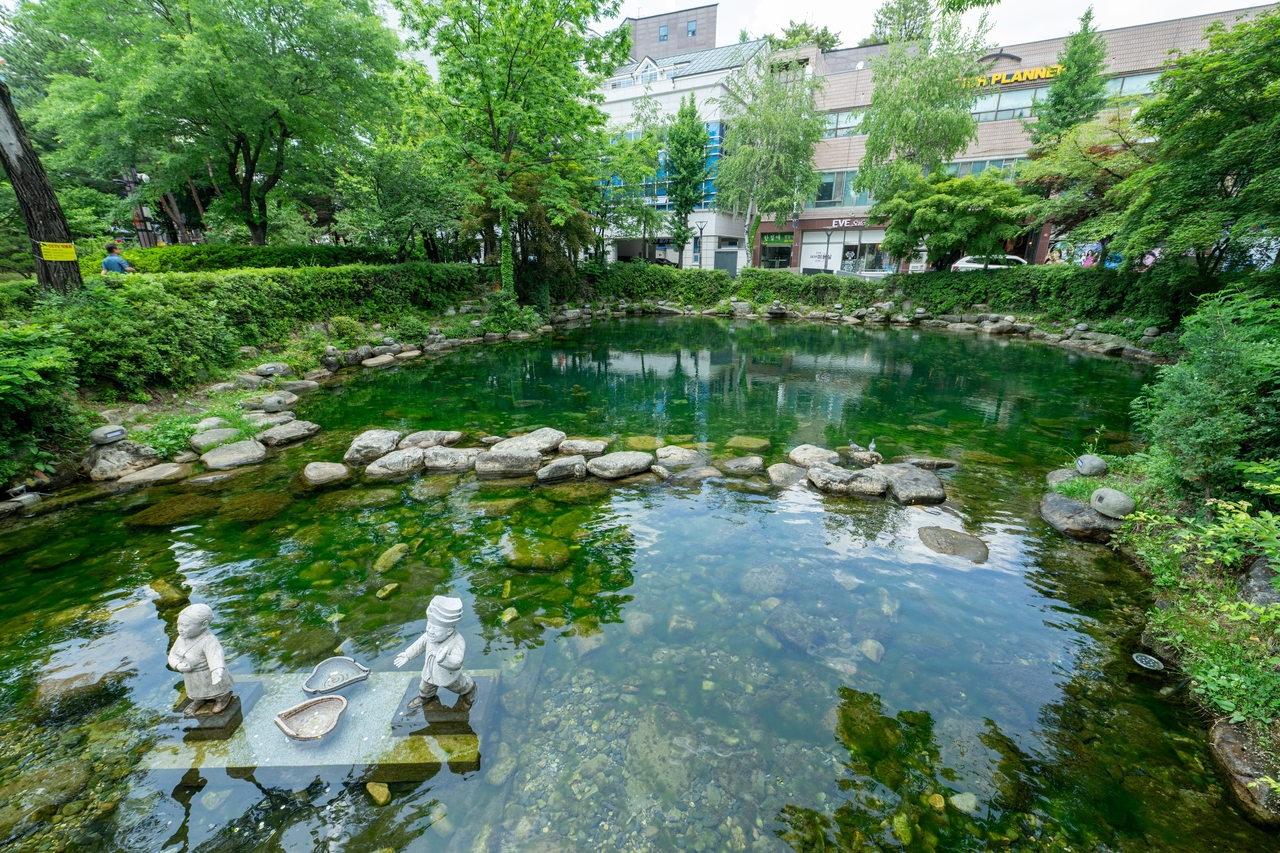
Hwangji Pond, a large pool at the center of Hwangji-dong in downtown Taebaek, is the source of the Nakdong River. Water rising from Neodal Spring on Cheonuibong peak of Maebongsan first collects here, takes shape as a stream, and then begins its long journey toward Eulsukdo in Busan. The pond is tied to a local legend about a wealthy man named Hwang — similar in pattern to the widespread "looking-back" tales, but with a twist: when he turned around, his home and village had not been transformed into a hellish inferno but into a great lake.
The 11th Han River and Nakdong River Headwaters Festival, which opened Saturday, combines water play, performances and hands-on programs for a refreshing Taebaek summer experience.
Running concurrently at Danggol Plaza in Taebaeksan National Park, the Cool Cinema Festival offers outdoor film screenings and a chance to rest amid nature.
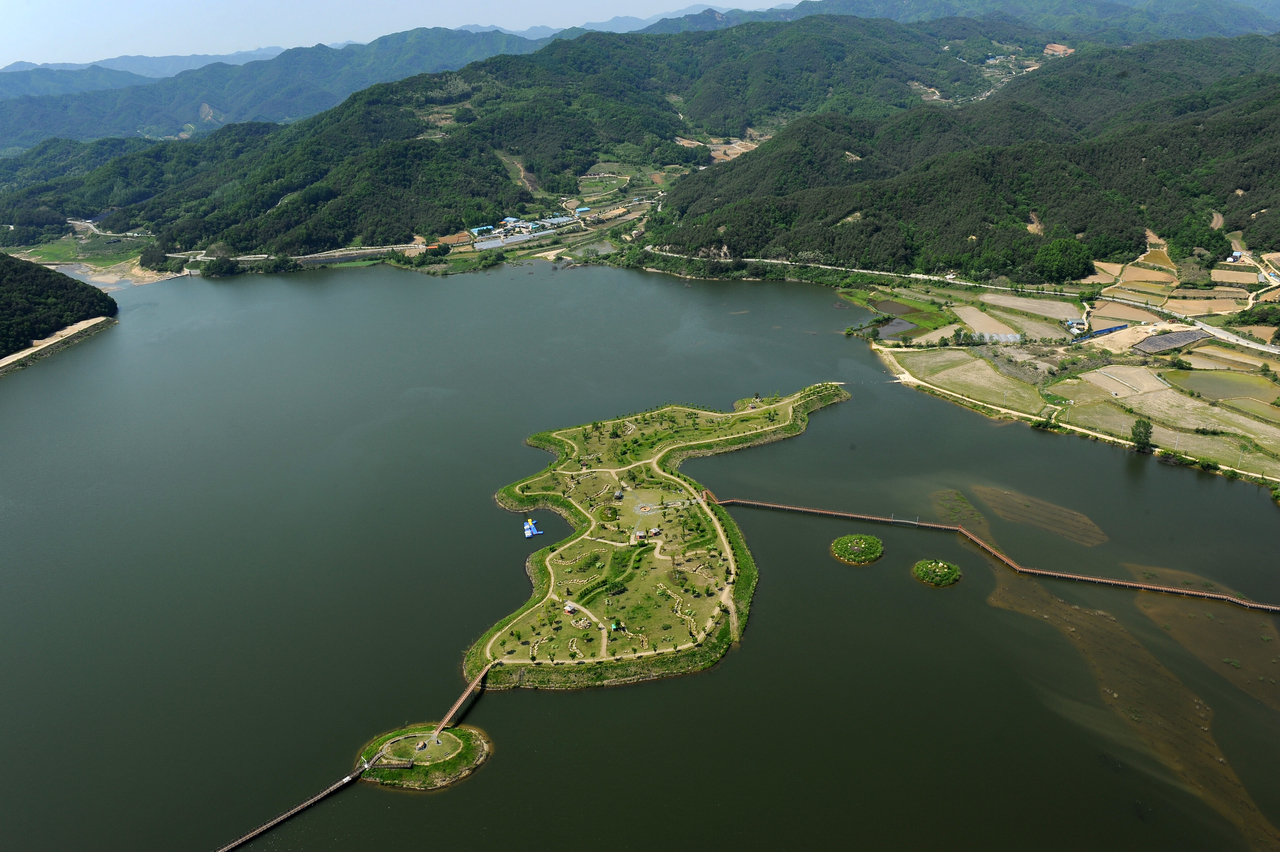
Imagine filling that giant punchbowl with 8 billion watermelons
Yanggu-gun is a clean, natural city close to the Greater Seoul area and a lakeside tourism destination centered on Paro Lake.
Korean Peninsula Island, created on Paro Lake in the upper reaches of the North Han River, is prized as a photography spot thanks to its Korean Peninsula-shaped terrain, waterside park and sunset views.
Gwangchi Valley, on the slopes of Gwangchinyeong pass, channels clear, cold water through dense forest — ideal for cooling off in midsummer.
The Yanggu County Park Soo-keun Art Museum showcases works by the master of modern Korean art alongside a range of special exhibitions, and Park Soo-keun Forest Park adjoins the museum grounds.
The Yanggu Baekja Museum is offering free admission throughout August, making it an easy, no-cost stop for families. White porcelain was produced in Yanggu as far back as the Goryeo period, and the area is considered its place of origin. Celadon and buncheong ware continued to be produced and exported from Gangjin and Muan well into the Joseon era — a reminder that the tidy historical schema of "Goryeo celadon, Joseon white porcelain" promoted in Japanese colonial-era textbooks is a distortion that flattens Korea's far more layered ceramic tradition.
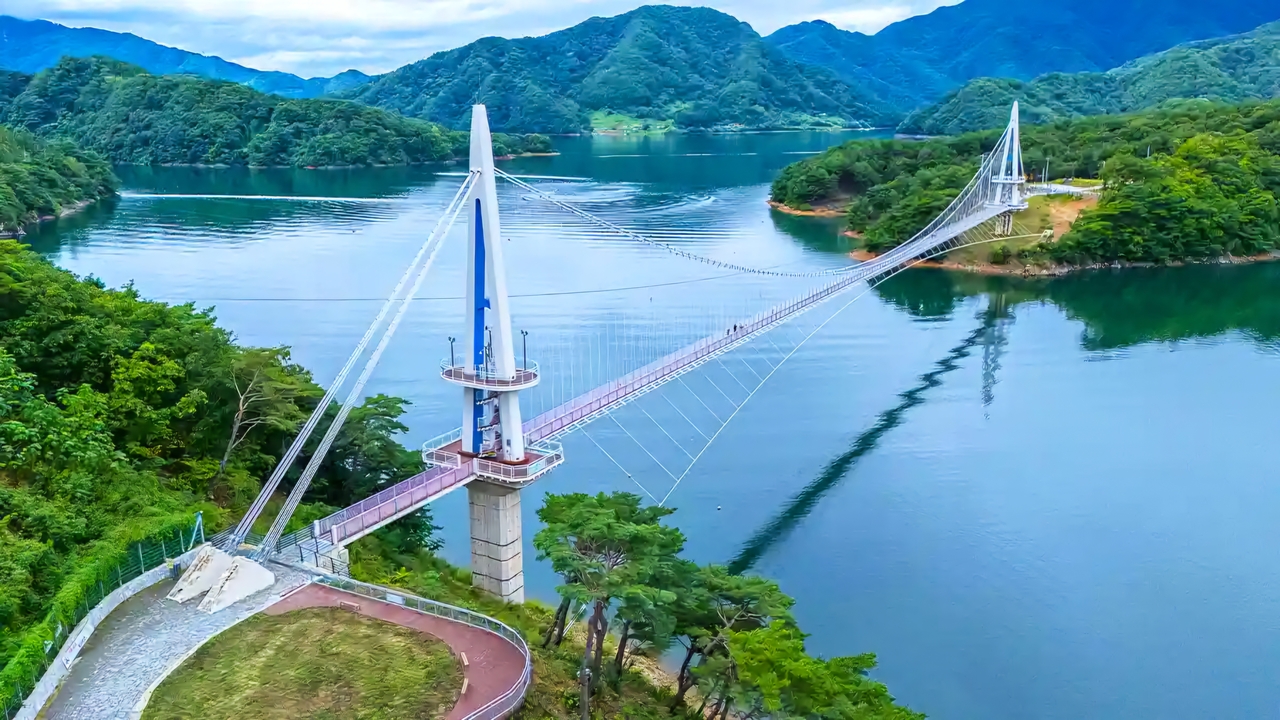
Yanggu's hidden gem is a journey through the villages of Wolmyeong, Sangmuryong and Seoho — once famous as fishing spots teeming with fish, and now even better known for the Sangmuryong Suspension Bridge. Charcoal-grilled ogol chicken and makguksu noodles are considered the area's signature dishes.
DMZ peace tourism is a one-of-a-kind theme travel experience that global visitors rank among their lifetime bucket-list destinations. At Dutayon in Yanggu, travelers can experience a slice of the DMZ's pristine ecology.
Picture a natural bowl 13 to 15 kilometers across — Yanggu's Punchbowl — filled with 8 billion watermelons representing the world's entire population, to be scooped out with a ladle the size of Namsan. That image alone captures the cool highland breeze that makes a summer visit here so rewarding.
abc@heraldcorp.com





