South Jeolla-Gwangju Special City has urged residents to exercise particular caution and follow prevention guidelines for major infectious diseases as overseas travel and outdoor activities surge during the summer vacation season. Measles, waterborne and foodborne illnesses, and mosquito-borne diseases are among the key conditions to watch for this summer.
Measles is currently spreading worldwide, with cases continuing to be reported not only in popular travel destinations such as the Philippines, Mongolia and Japan, but also in the United States and Mexico.
Measles is highly contagious and causes fever, cough, runny nose and conjunctivitis, accompanied by a full-body rash. Infants, pregnant women and others with weakened immune systems face a particularly high risk of serious complications such as pneumonia and encephalitis.
To prevent measles, travelers should confirm before departure that they have received both doses of the MMR vaccine. Those born after 1968 who have not been vaccinated must complete vaccination at least four weeks before leaving the country.
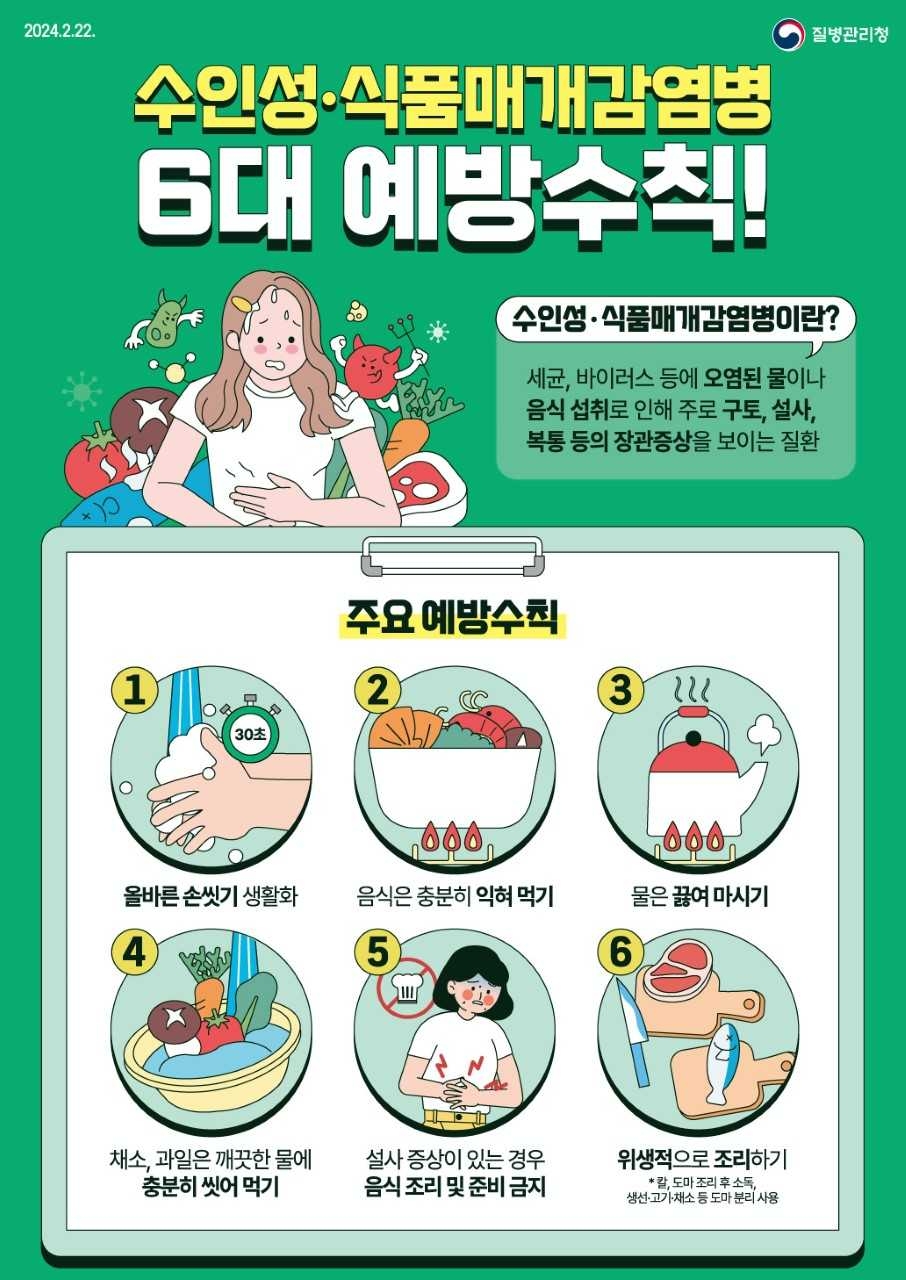
The hot and humid summer weather accelerates the growth of bacteria and viruses, raising the risk of waterborne and foodborne illnesses. These diseases, caused by consuming contaminated water or food, frequently occur at vacation destinations and communal dining facilities. Diarrhea and vomiting can lead to severe dehydration, making extra vigilance essential.
Prevention measures include washing hands with soap under running water for at least 30 seconds, thoroughly cooking meat and seafood, and boiling drinking water.
Domestically, a Japanese encephalitis alert was issued nationwide on June 17 following a rise in the population of Culex tritaeniorhynchus mosquitoes, which carry the disease. In Vietnam, Thailand, the Philippines, Indonesia and Malaysia, the risk of mosquito-borne diseases — including dengue fever, chikungunya and Zika virus infection — remains high.
These diseases share common symptoms including fever, headache, muscle pain and joint pain, with some also causing a rash. During outdoor activities, wearing light-colored, long-sleeved clothing and applying insect repellent every three to four hours is recommended. Travelers should also check the KDCA website before departure to review the infectious disease situation in their destination country.
During both domestic and overseas travel, strict personal hygiene — including handwashing and cough etiquette — must be maintained. If symptoms such as fever, rash or diarrhea appear within two weeks of returning from a trip, travelers should avoid going out, wear a mask and visit a medical facility, informing the doctor of their recent travel history.
"Prevention and early response are above all critical when it comes to summer infectious diseases, so travelers must ensure they are vaccinated before departure and follow hygiene guidelines throughout their trip," welfare policy officer Park Jeong-hwan said. "If suspicious symptoms develop after returning to the country, please contact your local public health center immediately for guidance."
sij@heraldcorp.com