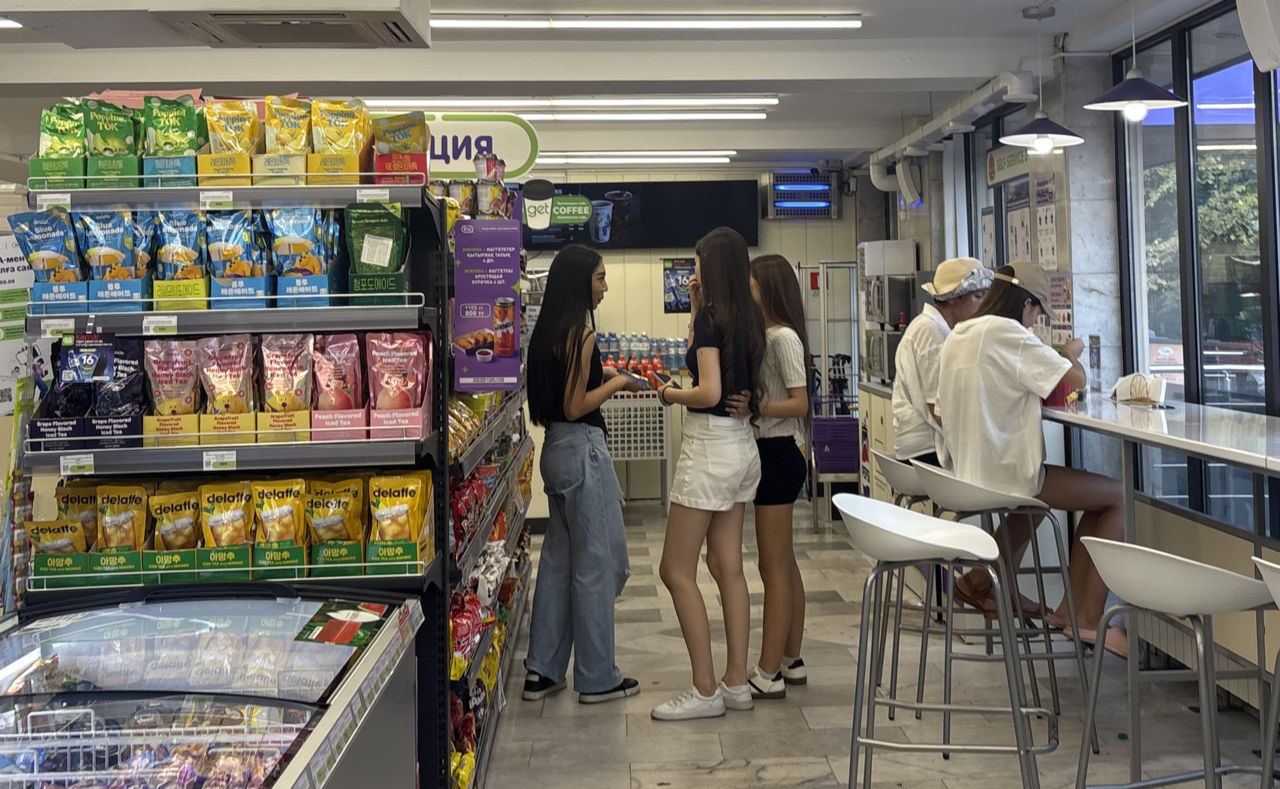
"People come in often to eat instant ramyun. Shin Ramyun, Buldak Cheese flavor, Jin Ramen Mild — they're all popular."
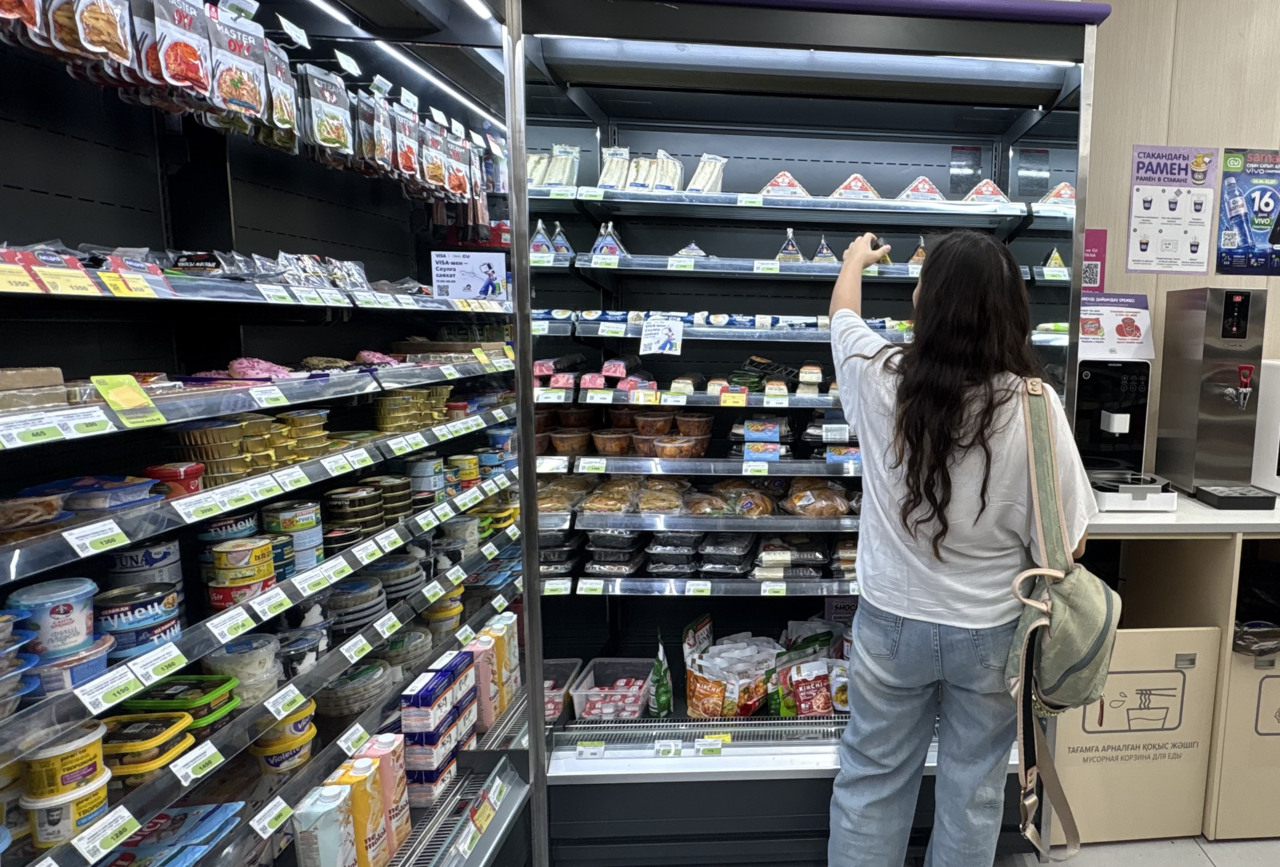
Stepping into a CU convenience store in Almaty, Kazakhstan, on July 26, the smell of ramyun hung in the air. An instant-noodle cooker sat in one corner of the store, while the refrigerated shelves were packed with Korean ready-to-eat foods — kimbap, dosirak and more. One shopper, Indira, 36, said she had come to buy Korean jelly for her daughter. "I also enjoy ramyun and kimbap myself," she said. "There's such a wide variety that I come here all the time."
The Korean convenience store chain has become a beachhead for K-food in Kazakhstan. CU entered the market in June 2023 after signing a master franchise agreement with local company Shinline, and now operates 65 stores. Drawing on a local food production center and logistics hub, it manufactures and sells Korean ready-to-eat items including kimbap, triangle kimbap and dosirak.
The local response has been strong. Korean products account for about 65 percent of CU Kazakhstan's sales. The "Han River ramyun" culture — eating freshly cooked cup noodles in-store — has taken hold, with roughly 50 customers per store doing so every day.
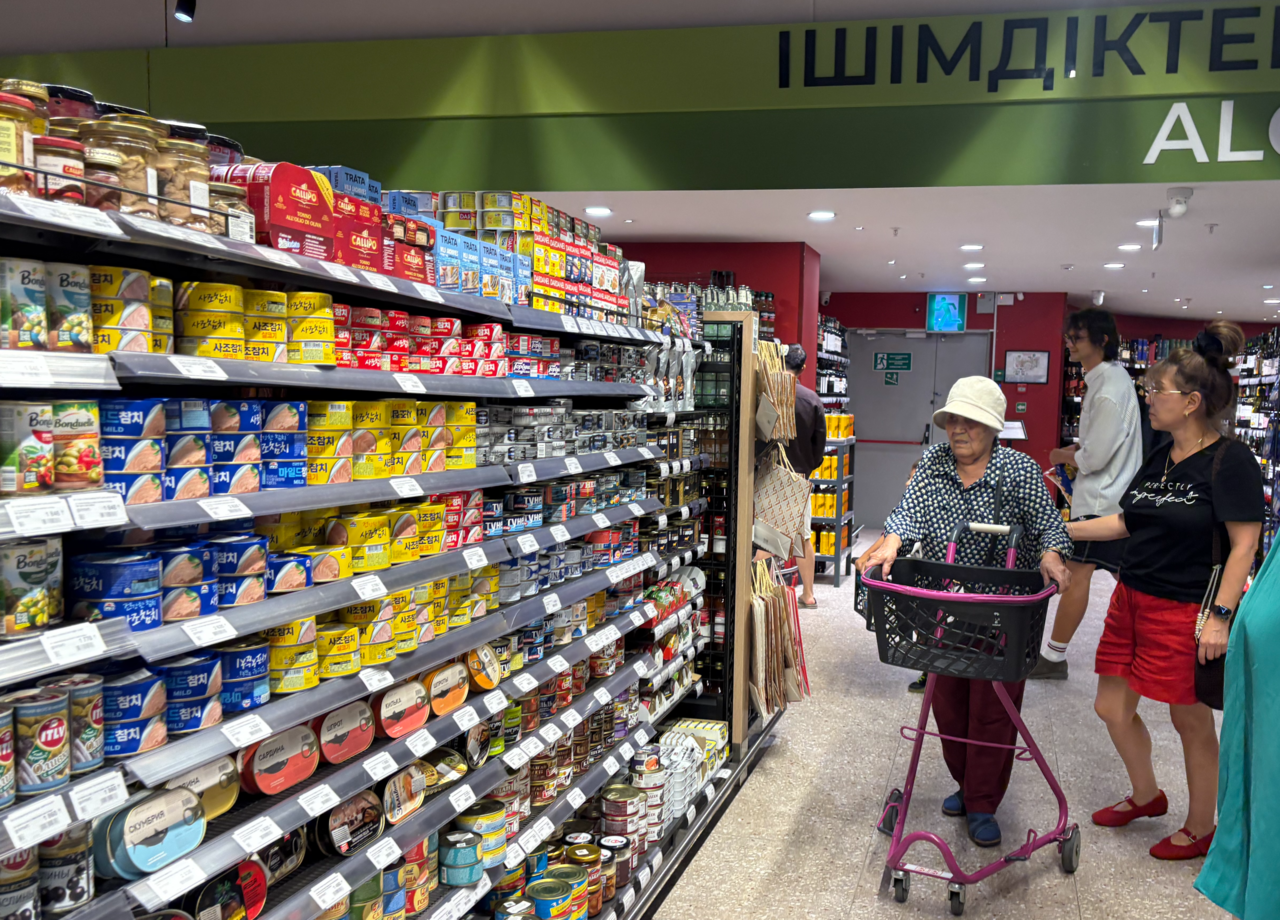
South Korean food companies are also stepping up their push into Central Asia. In the ramyun segment, Nongshim, Samyang Foods and Ottogi lead the charge. Korean ramyun is easy to find in local supermarkets — at one hypermarket, an entire shelf section was taken over by Korean products including Shin Ramyun, Buldak Bokkeum Myun and Jin Ramen, with shoppers comparing options before making their picks. "The number of customers asking for Korean ramyun keeps growing," a store employee said.
According to Korea Customs Service trade statistics, ramyun exports to three Central Asian countries — Kazakhstan, Uzbekistan and Kyrgyzstan — reached $167.89 million in the first half of this year (January–June). With last year's full-year record standing at $256.36 million, the sector appears on track to set a new all-time high this year.
Nongshim, riding on Shin Ramyun, grew its sales across the Commonwealth of Independent States — which includes the three Central Asian countries — by 24 percent in the first half of this year compared with the same period last year. The company currently exports about 90 ramyun products to the CIS region. Ottogi is targeting the market with four products led by Jin Ramen Mild and Cheesy Ramen, and plans to develop locally tailored products and expand into sauces and premix categories. Samyang Foods is going after younger consumers with Buldak Bokkeum Myun and a range of spin-offs including Carbonara Buldak and Cheese Buldak.
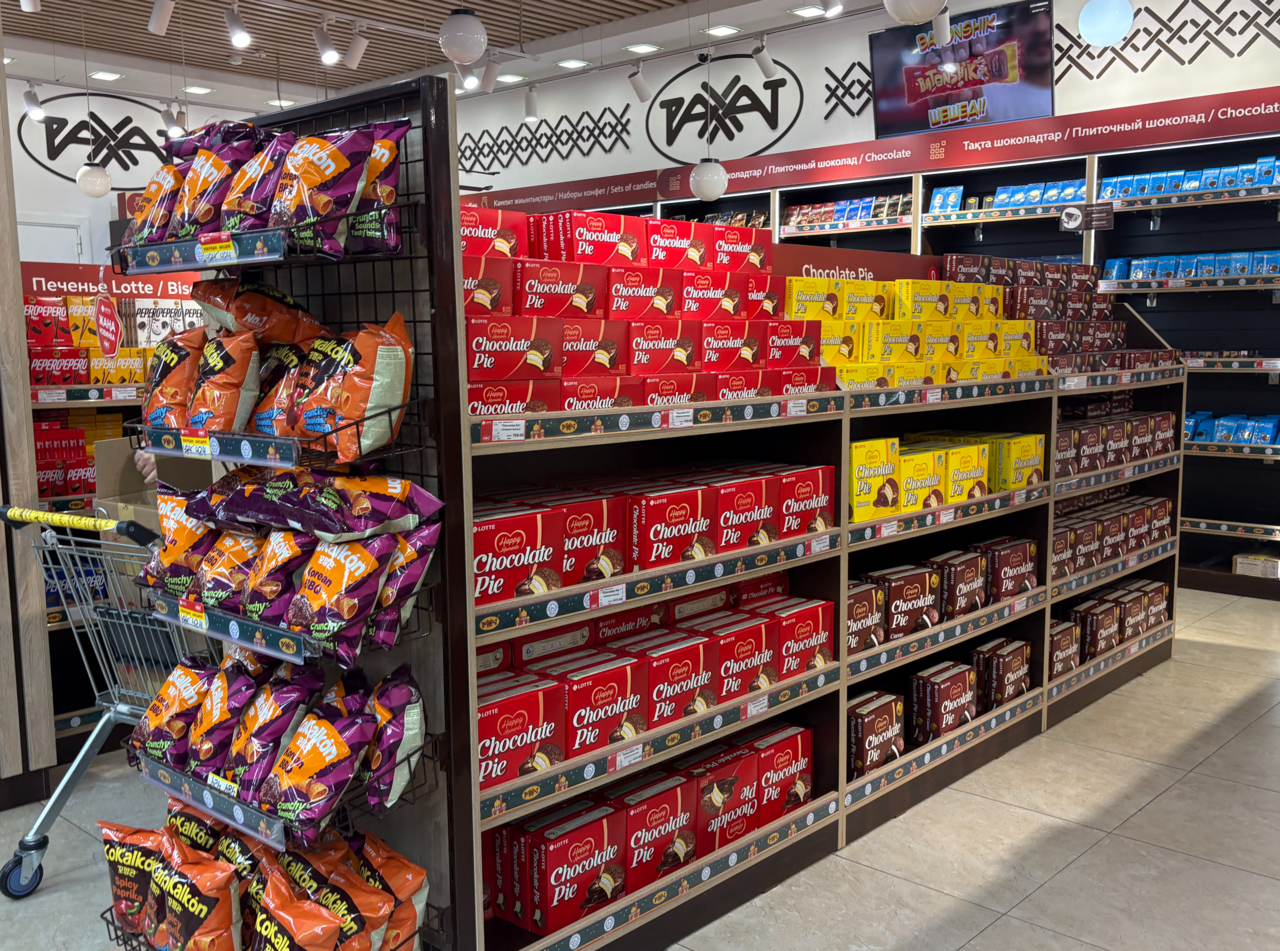
K-snacks are also surging. Lotte Wellfood and Orion are both pushing into the market with Choco Pie at the center of their strategies. Lotte has sustained its growth since acquiring Kazakhstani confectionery company Rahat in 2013. Rahat posted first-quarter sales of 83 billion won ($58 million), up 22.8 percent year on year. Choco Pie sales in Kazakhstan also grew about 20 percent last year. Lotte plans to expand its local product lineup with new Kkokkalkon varieties and ZERO jelly.
Fermented pastes and sauces are emerging as the next frontier. More local consumers are seeking out these products to recreate K-food flavors at home. CJ CheilJedang's sales across the three Central Asian countries grew by double digits last year compared with the previous year. Daesang is also expanding its retail presence, offering fermented pastes, kimchi, seasonings and seasoned seaweed under its O'Food and Jongga brands.
Korean fried chicken is spreading through BBQ, which has opened four locations including one at Mega Alma-Ata, a major local shopping mall.
"With the domestic market stagnating, overseas markets are becoming a new engine of growth," an industry official said. "We plan to expand our reach through locally tailored products and broader distribution networks."
siuu@heraldcorp.com