The Korea Racing Authority (KRA), led by President Woo Hee-jong, announced strengthened heat-response operating standards for horse racing on Saturday.
When a heat warning is issued, the KRA said it will adjust paddock operating hours and track departure times, and allow below-ground-floor stabling for all races to minimize the time horses and jockeys spend outdoors.
If a severe heat alert is issued, the KRA said it plans to conduct a comprehensive review of weather conditions and on-site circumstances, convene an emergency response meeting if necessary, and consider canceling races altogether.
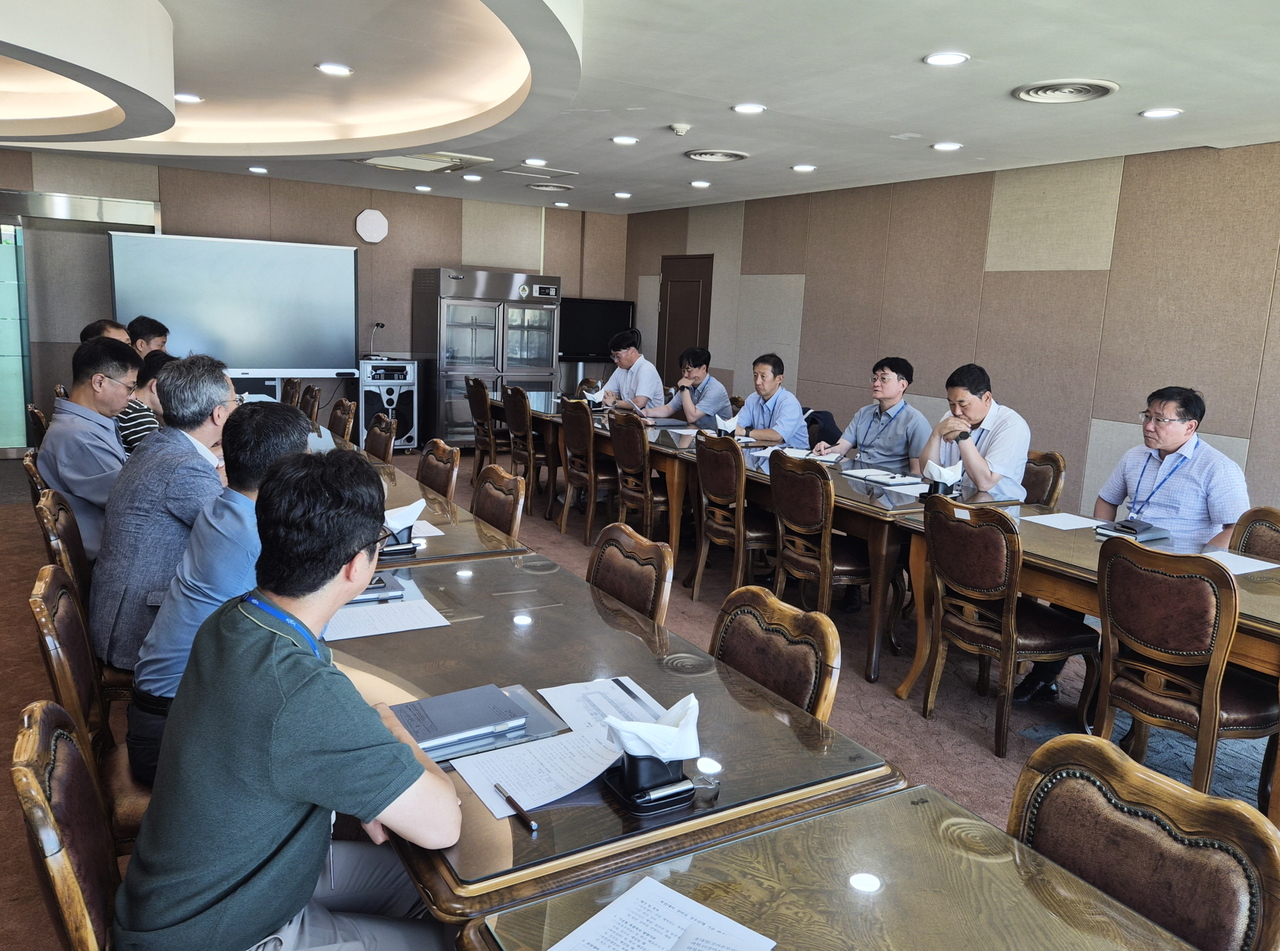
The KRA convened emergency meetings on Thursday at its three racetracks — Seoul, Yeongnam and Jeju — chaired by the racing event chairpersons at each venue, and drew up the new operating standards. The move comes in response to a sustained heat wave that has pushed the perceived temperature above 38 degrees Celsius in recent weeks. The strengthened standards took effect Friday, the first race day after the tracks' scheduled break.
On-site protective measures for jockeys and racehorses will also be reinforced. Weight-management guidelines will be applied flexibly so jockeys are not restricted from drinking water due to aggressive weight cuts, and ice and water will be supplied at starting gates when needed. Large fans will operate in the paddock, while mist sprayers and cooling water will be placed near the dismounting area to help regulate horses' body temperature before and after races.
Unlike sports such as soccer or baseball, where the same athletes compete outdoors for extended periods, horse racing features different horses and jockeys in each race. The KRA noted that a racehorse's outdoor exposure time is no more than about 23 minutes per race, while a jockey's is within about 12 minutes, and that rest and hydration are possible before and after each race.
However, as the heat wave intensifies, the KRA said it will keep safety as its top priority regardless of the sport's operational characteristics, and will continuously monitor conditions on the ground. It plans to proactively adjust or cancel races as needed.
"Safety is the value that must come before everything else in racing operations," said Song Dae-young, the KRA's head of the racing division. "We will closely monitor conditions on the ground and do our utmost to run races safely, protecting the health of racehorses and racing personnel from the heat and preventing heat-related accidents."
yjc@heraldcorp.com