
![Micron completed the first concrete pour at its Clay megafab construction site in New York state on July 9. Commerce Secretary Howard Lutnick (fifth from left) and Micron CEO Sanjay Mehrotra (sixth from left) attended the ceremony. [Micron SNS]](https://wimg.heraldcorp.com/news/cms/2026/08/11/news-p.v1.20260811.bcb707b4513d4973972a567a1e49913e_P1.jpg)
Micron Technology, the world's third-largest memory chip maker, said the US investment push by Samsung Electronics and SK hynix is concentrated in foundry and advanced packaging — and that Micron remains the only company investing in front-end memory fabrication on American soil.
The company also disclosed that it has secured supply agreements with major US technology customers that reflect a price premium for domestically produced memory chips. Micron is positioning its American manufacturing footprint as a competitive advantage in the semiconductor alliance taking shape since the Donald Trump administration took office.
Sumit Sadana, Micron's chief business officer, made the remarks Monday at the Technology Leadership Forum hosted by KeyBanc Capital Markets, responding to a question about how Micron differentiates itself from Samsung Electronics and SK hynix, both of which are building facilities in the United States.
Micron, whose production capacity trails Samsung Electronics and SK hynix by a wide margin, recently raised its planned US investment from $200 billion to $250 billion as it moves to expand its manufacturing base. Its first fab in Idaho is set to begin operations in mid-2027, with a second fab there scheduled to come online by late 2028. The company is also building a factory in New York state to rapidly scale up its memory production capacity.
![The Clay megafab site in New York state where Micron is building its new memory production facility. [Micron SNS]](https://wimg.heraldcorp.com/news/cms/2026/08/11/news-p.v1.20260811.8cb36d8883a5417ca486896b3b2fce2c_P1.jpg)
Sadana said Samsung Electronics' US investment is focused on logic foundry rather than memory, and that SK hynix's investment is similarly directed at packaging facilities — contrasting both with Micron's commitment to building memory fabs in the United States.
Samsung Electronics is currently establishing an advanced foundry plant in Taylor, Texas, and plans to break ground on a second Taylor fab by the end of this year. SK hynix is building an advanced AI memory packaging facility in West Lafayette, Indiana, targeting mass production in the second half of 2028.
SK Group Chairman Chey Tae-won said in a CNBC interview on July 10 that the company is considering additional investments beyond the Indiana advanced packaging facility, and that building a memory fab in the US is possible if the necessary power, water, workforce and supply chain conditions are in place — signaling the potential for a second US factory.
Micron, which is prioritizing the buildout of a domestic semiconductor supply chain in line with the Trump administration's policy direction, expects to produce 40 percent of its DRAM output in the United States if its investment plans are fully realized.
Sadana said at the forum that memory produced in the United States "will command a price premium," explaining that Micron can supply chips to domestic customers at higher prices as those customers seek to increase the share of American-made components in their products.
Sadana also said the price premium for US-made memory is already reflected in the strategic customer agreements, or SCAs — Micron's long-term supply contract model — that the company has signed with customers.
Under the SCA framework, Micron commits to supplying memory chips over a five-year period and receives advance payments from customers. The agreements are binding, requiring customers to pay even if they do not purchase the contracted volume.
The model has gained traction as memory prices continue to climb amid supply shortages, aligning the interests of customers seeking to lock in multi-year supply with Micron's goal of improving supply stability.
Micron, which announced 16 SCAs at its fiscal third-quarter earnings call in June, disclosed additional contracts at the forum. "We have signed additional SCAs since the earnings announcement," Sadana said. "We believe we have the most SCAs in the industry."
Samsung Electronics and SK hynix also said at their second-quarter earnings calls last month that they had each completed long-term supply agreement negotiations with 10 customers. Analysts expect additional contracts to follow, in line with the trend seen at Micron.
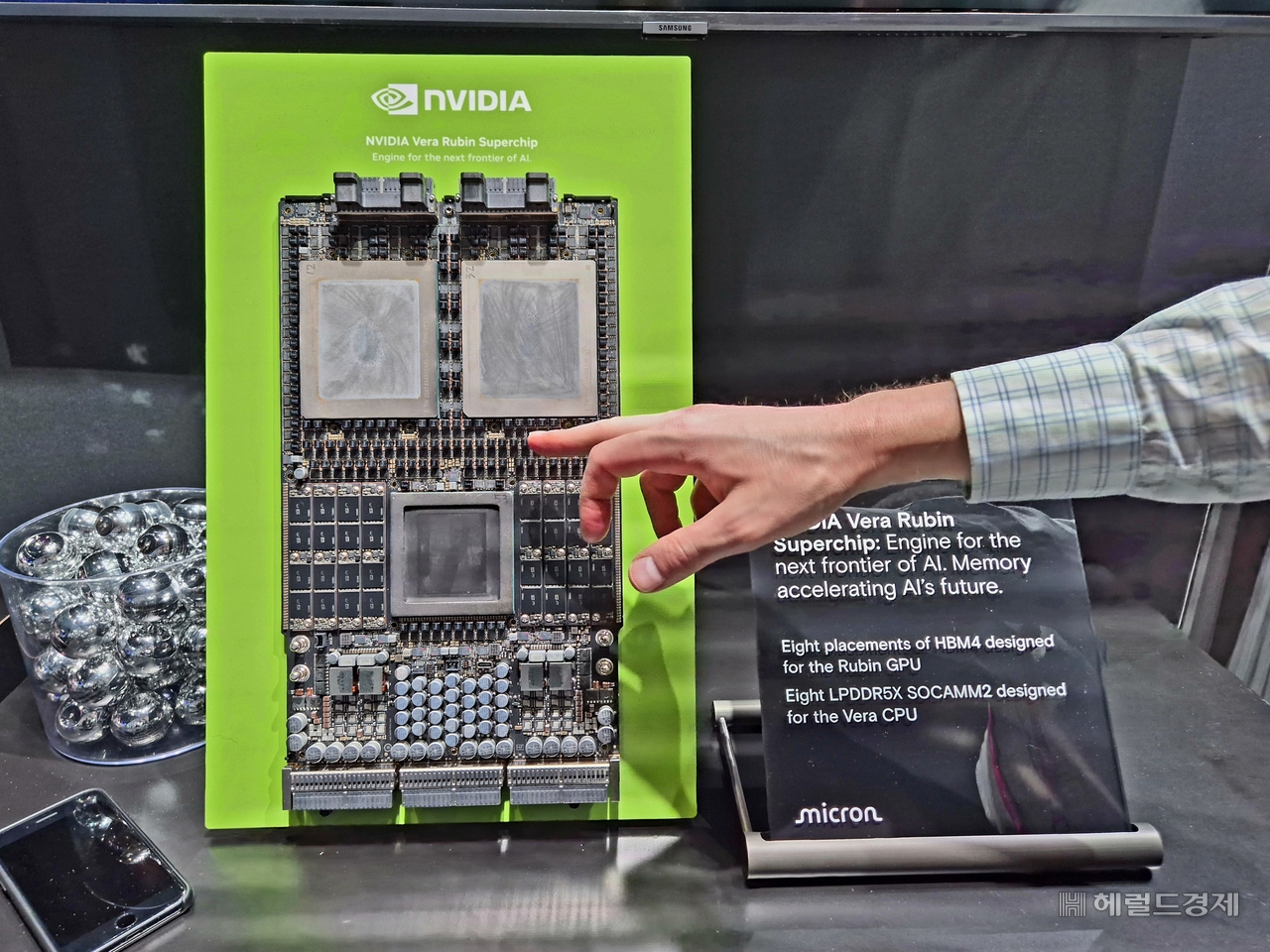
Sadana also addressed concerns that major customers including Nvidia are adopting lower-specification memory for their AI chips, saying the shift is driven by supply shortages rather than rising memory prices. "When you multiply the adjusted average memory content per chip by customers' planned shipment volumes, total demand continues to grow," he said.
He added that the supply-demand balance in 2027 will be tighter than in 2026, shrugging off fears of a demand slowdown.
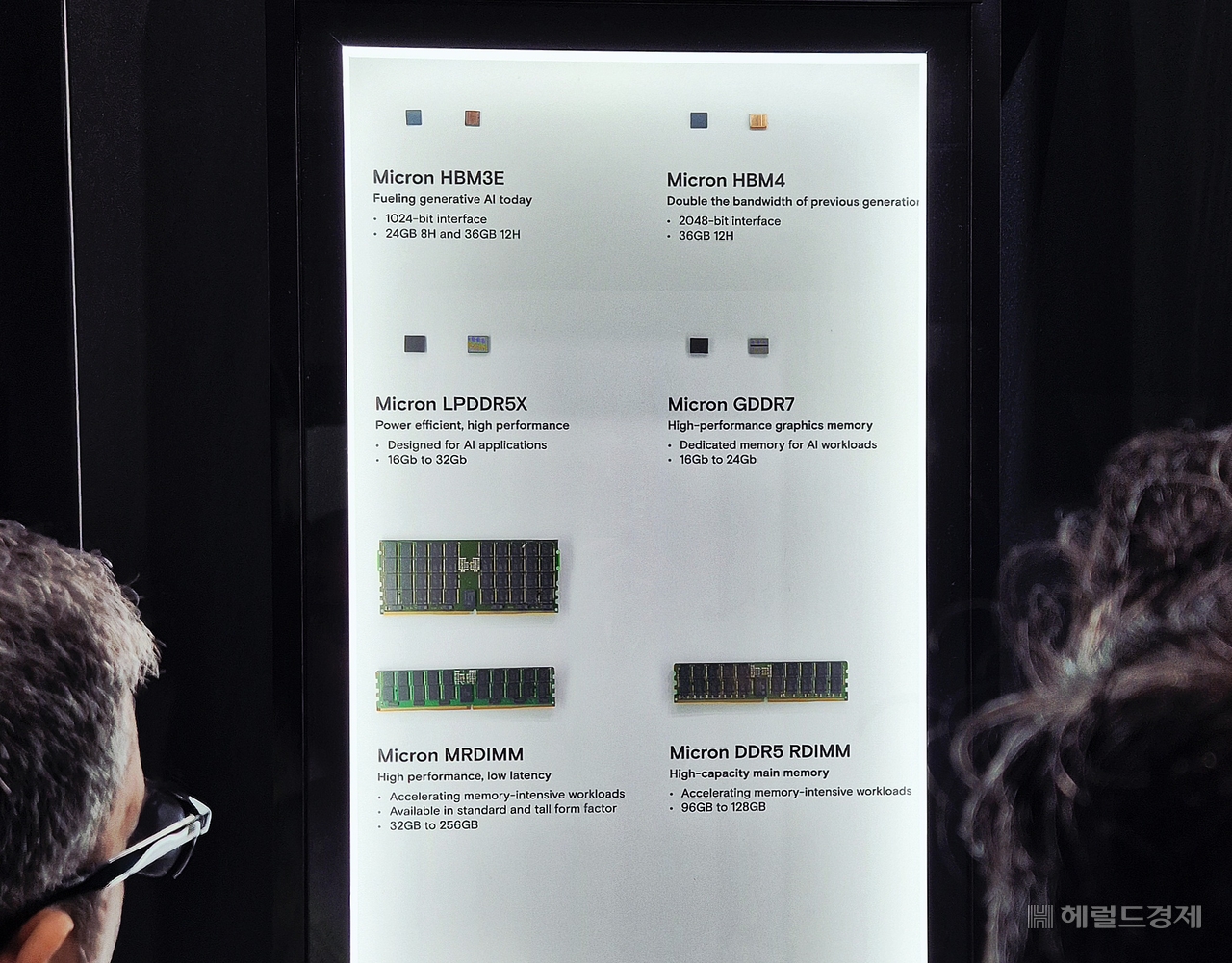
Sadana also predicted that the structure in which all three major memory makers supply HBM to a single customer will change as the market moves toward custom HBM optimized for individual customer requirements.
"It is not easy for a customer to work on HBM designs with three companies, so they will end up selecting only one or two HBM suppliers," he said. "There will be more sole-source opportunities in the HBM market."
joze@heraldcorp.com





