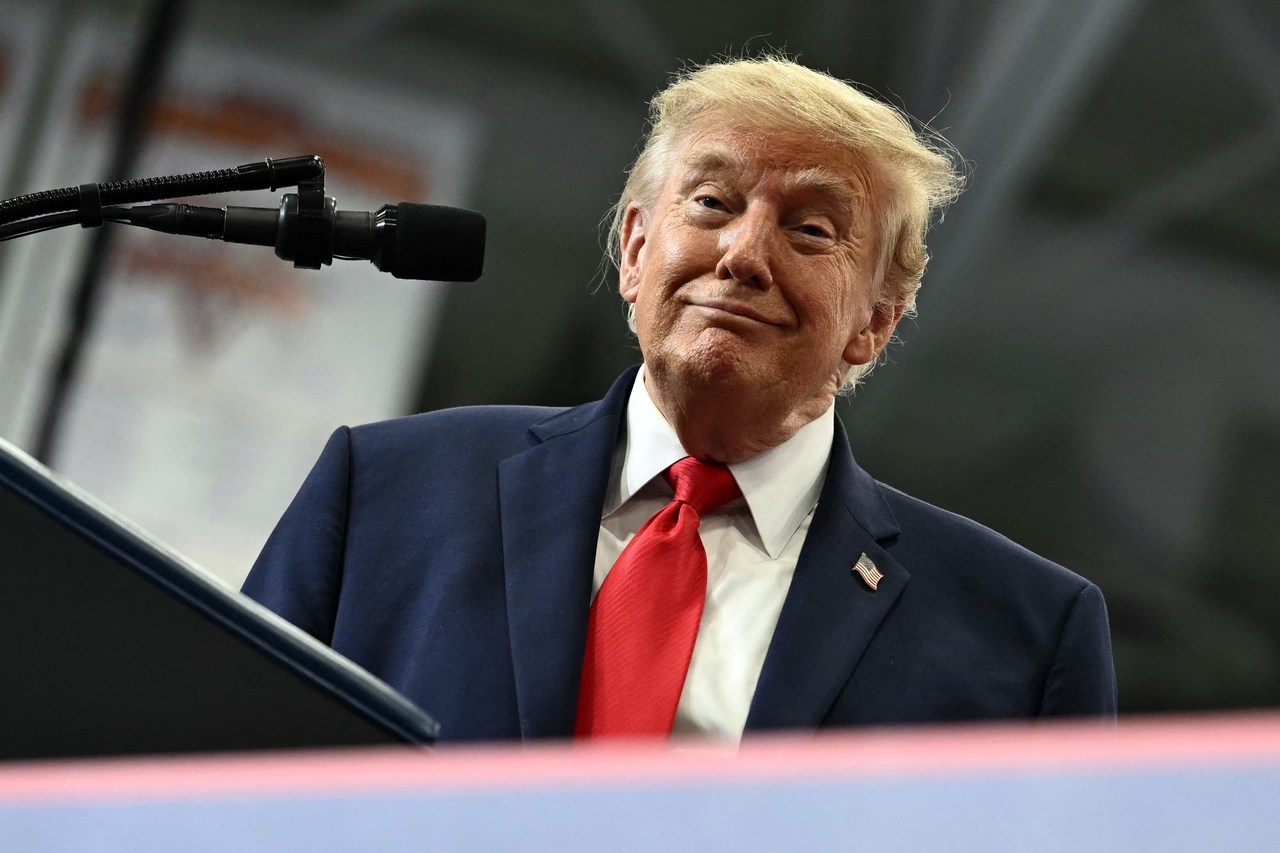
Ryu Gyeong-gi, the three-term mayor of Jungnang-gu, and Jeon Seong-su, the two-term mayor of Seocho-gu, are widely regarded as the most beloved district mayors in Seoul — in particular among their own residents.
Both have earned praise for embodying qualities rarely seen in local government chiefs: trust, humility and genuine communication with constituents.
That reputation was borne out in the results of the June 3 local elections.
Ryu won 129,348 votes, or 62.57 percent of the total, defeating his opponent by a margin of 51,984 votes to secure a third consecutive term. He carried all 16 precincts in Jungnang-gu, confirming broad support across the entire district.
Jeon won 153,384 votes, or 66.40 percent, beating his opponent by 75,768 votes to win re-election. His vote share was the highest of any district mayoral candidate across Seoul's 25 autonomous districts. Seocho-gu's voter turnout also topped the city at 66.3 percent.
Their landslide victories were no accident. Analysts say the results reflected not only their track records and policy achievements during their previous terms, but also the trust they inspired through their words and conduct, their modest demeanor and their constant presence in the community.
That combination has earned both mayors a following so strong that residents have taken to calling them "idol-level district mayors."
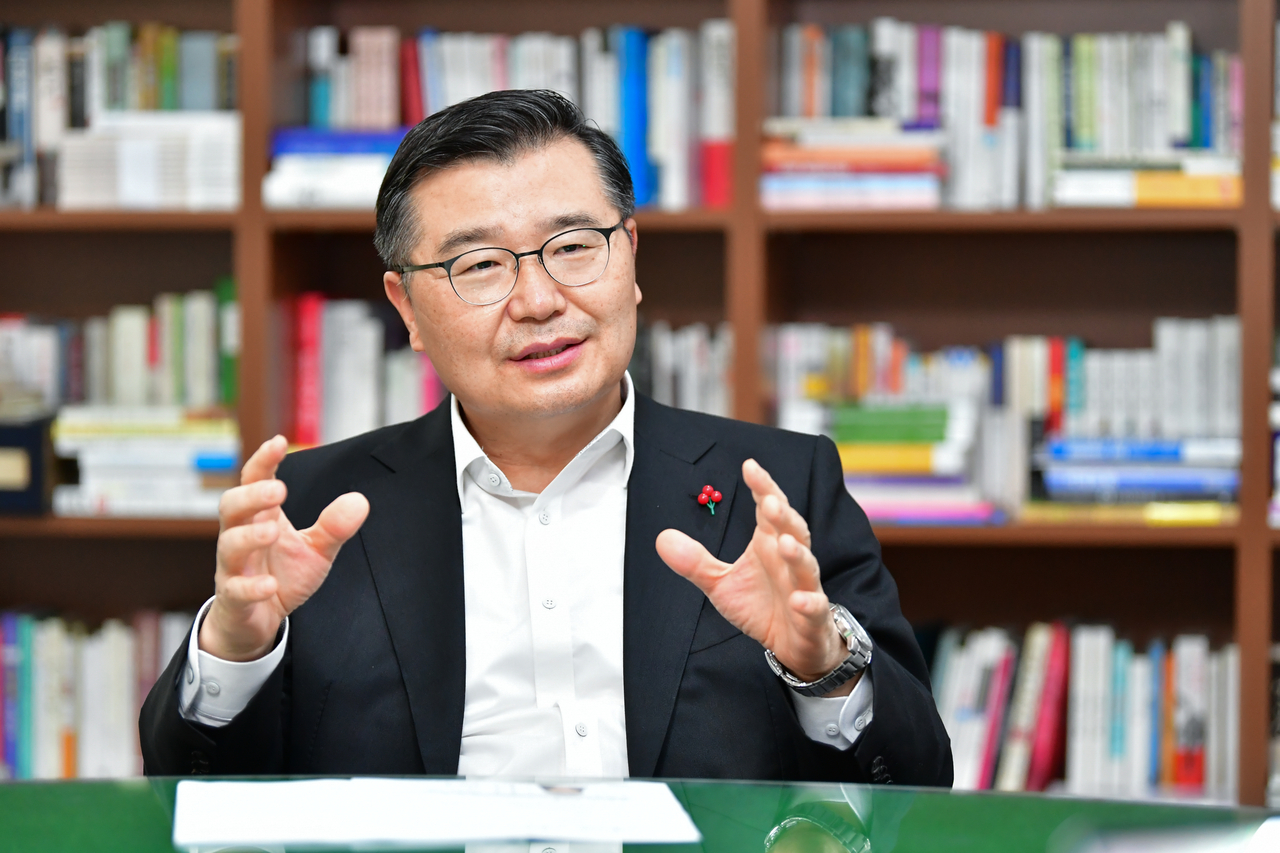
Ryu Gyeong-gi: eight years of urban development and education reform in Jungnang-gu
A Seoul National University political science graduate, Ryu passed the 29th civil service administration exam and built his career as a career bureaucrat within the Seoul Metropolitan Government.
He held a succession of senior posts — spokesperson, head of the administrative bureau, head of the planning and coordination office, and first deputy mayor for administration — earning a reputation for exceptional planning ability and administrative skill.
Ahead of the seventh round of local elections, Park Hong-keun — then the National Assembly member representing Jungnang-gu and now minister of the Ministry of Planning and Budget — personally sought Ryu out three times before he agreed to run for district mayor. Ryu won that race, then won re-election, and has now secured a third term.
Over the past eight years, Ryu focused the district's administrative resources on urban development and improving the educational environment in Jungnang-gu.
Through redevelopment, reconstruction and the "Moa Town" initiative, he has advanced housing development projects covering approximately 1.6 square kilometers — the largest scale in Seoul — laying the groundwork for the supply of about 40,000 housing units. Once completed, these projects are expected to dramatically transform the urban landscape and residential environment of Jungnang-gu.
The relocation of the Seoul Housing & Communities Corporation headquarters to Sinnae-dong has also entered full implementation. The district is also accelerating work on a mixed-use redevelopment of the Sangbong Terminal site and on transportation and economic infrastructure, including the GTX-B line, the Myeongmok line and a multimodal transit hub at Sangbong Station.
Progress in education has been equally notable. Since Ryu took office, the district sharply increased its education budget and expanded the Bang Jeong-hwan Education Support Center. As a result, the rate of students entering four-year universities in the Seoul area has roughly doubled compared with 2018, and Jungnang-gu has gained recognition as an "education city."
Yet Ryu's true strength lies beyond his impressive administrative résumé or the visible fruits of development.
Observers say his habit of bowing first when meeting residents, listening without interruption, respecting his staff and leading with reason rather than authority has earned him deep trust from both residents and civil servants.

Jeon Seong-su: competence matched by humility and communication
Jeon Seong-su is equally a career administrator with an impressive résumé.
He graduated from Seoul National University's College of Law, passed the 31st civil service administration exam and began his public career at the Seoul Metropolitan Government. He went on to serve as head of the public relations, general affairs and administrative divisions at the city, then as a senior administrative official at Cheong Wa Dae, spokesperson for the Ministry of Interior and Safety, consul general at the South Korean Embassy in Thailand, and deputy mayor for administration of Incheon.
He was recruited as the Seocho-gu mayoral candidate through his connection to Cho Eun-hee — a two-term Seocho-gu mayor who is now a two-term Assembly member — for whom he served as campaign manager when she ran in the primary election for the Seoul mayoral race.
Since winning election as the eighth-term Seocho-gu mayor, Jeon has strengthened the administrative support framework to accelerate reconstruction and redevelopment projects, and has led key initiatives that will shape the district's future — including the undergrounding of the Gyeongbu arterial road and the creation of the Yangjae AI Future Convergence Innovation District.
To speed up reconstruction projects across the district, including in Banpo, he operates a "mobile reconstruction rapid support team" that reports directly to the mayor's office, bringing field-based administration that residents can see and feel.
Jeon's greatest strengths are widely cited as his humility and his ability to communicate. Staff at Seocho-gu District Office speak of him in terms reserved for the best they have ever seen, with some calling him the finest district mayor in the office's history.
Since taking office in his first term, he has maintained a weekly Wednesday schedule dedicated to resident engagement. On the second and fourth Wednesdays of each month he meets residents at the district office through a program called "Let's Meet the Mayor"; on the first and third Wednesdays he visits residents in their neighborhoods through a program called "Jeon Seong-su Comes to You."
Rather than simply listening, he follows through — working with the relevant departments to find solutions and then reporting back to residents, completing what he describes as a virtuous cycle of listening, empathy and response.
Ryu and Jeon share another connection: both entered Seoul National University in 1981 and are the same age. Both possess outstanding ability and extensive administrative experience, yet neither leads with those credentials or adopts an authoritarian manner. What they share is a commitment to respecting staff and residents, hearing people out from a position of humility and following through on every promise they make.
Ultimately, their overwhelming election victories are difficult to explain by party loyalty or regional voting patterns alone. They are better understood as the product of administrative achievement, earned trust, modest character and consistent communication built up over their previous terms.
The two mayors are likely to be cited for years to come as prime examples of how trust, humility and communication can become the most powerful competitive advantages a local government chief can have.
As South Korea's history of local self-governance passes the 30-year mark, there is a growing chorus of voices calling for more district mayors who combine genuine ability with warmth of character.
"As the political sophistication of Seoul residents has grown, we have entered an era where the district mayors who get chosen are those who bring not just credentials and competence, but also character and the ability to communicate," said a senior official at one Seoul district office. "I hope we see many more leaders who earn the trust of both residents and staff alike."
seouldream01@heraldcorp.com