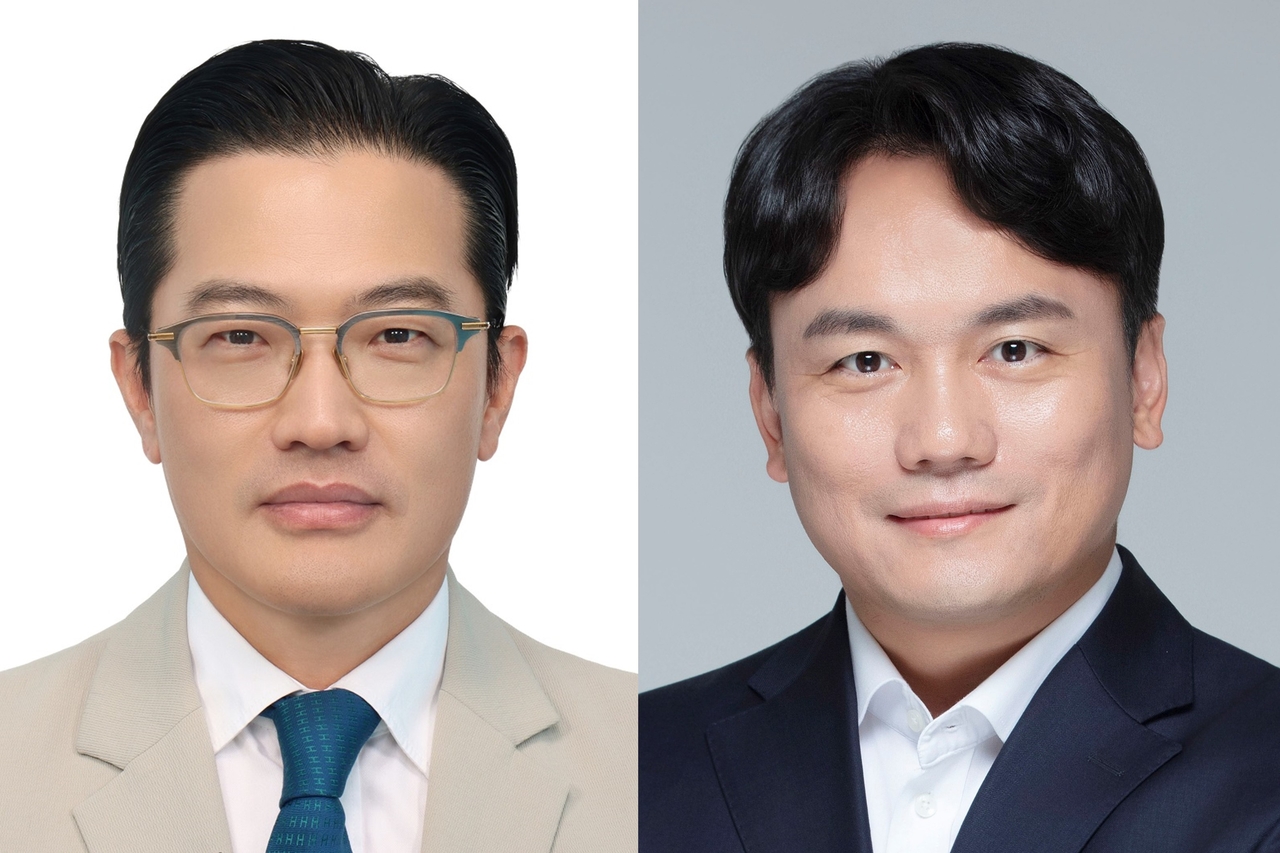
A joint research team led by Heo Chan-young, a professor of plastic surgery at Seoul National University Bundang Hospital, and Choi Kyung-min, a professor in the Department of Chemical and Biological Engineering at Sookmyung Women's University, received a notice of allowance from the United States Patent and Trademark Office for their MOF-808-based scar management and skin regeneration technology on July 16.
A notice of allowance means the patent application has met all requirements and will be granted patent rights. The research team plans to complete the formal registration process. Once the patent is registered and intellectual property rights are secured, the technology is expected to gain momentum for licensing and commercialization.
The technology is built around MOF-808, a type of metal-organic framework, or MOF — the core material behind the research that won the 2025 Nobel Prize in Chemistry. MOF-808 is formed by combining zirconium metal with organic compounds, producing a structure riddled with countless microscopic pores. Much like a sponge absorbing water, these pores can hold drugs and other substances and release them gradually. Compared with other MOFs, MOF-808 offers a higher safety profile and biocompatibility, drawing attention as a next-generation drug delivery platform.
Building on these properties, the research team developed a technology that uses MOF-808 in manufacturing silicone patches and artificial skin to aid scar management and skin regeneration.
The team filed a US patent application for the technology on Feb. 20, 2024. When a MOF-808-based patch is applied to raised or thickened scars, the drugs stored within are released gradually, enabling effective scar treatment.
Notably, the approved technology covers a broad range of conditions, including hypertrophic scars, chronic ulcers and post-surgical wounds — a result seen as validating the technology's potential for wider application.
fob140@heraldcorp.com