A total of 146 candidates cleared the final review by the Judicial Personnel Committee in this year's career-track judicial appointment process and have been designated as nominees for appointment confirmation. Of those, 32 are former prosecutors — matching last year's all-time high — as analysts say a so-called "prosecutor exodus" is accelerating amid growing uncertainty over the future of the prosecution service ahead of its planned abolition and the launch of a new public prosecution office.
The Supreme Court on Friday released the names of the 146 candidates who passed the Judicial Personnel Committee's final review. It plans to solicit public comment on whether the candidates are qualified to serve as judges through Sept. 4, after which the results will be submitted to a Supreme Court justices' council that will make the final appointment decision. That council meeting is scheduled for mid-September.
Among the 146 nominees, 32 are former prosecutors, 79 are attorneys from law firms, seven are in-house counsel, eight are public defenders, 16 come from government or public institutions, and four are judicial research clerks.
The share of former prosecutors — 21.9 percent of the total — is drawing particular attention. Last year, 32 former prosecutors were named as nominees, more than double the 14 recorded in 2024 and an all-time high. The same number clearing the final review this year signals that the large-scale movement of prosecutors to the bench is continuing.
Since disqualifying factors are rare and a mass rejection is considered unlikely, this year's cohort of former-prosecutor judicial appointees is widely expected to tie last year's record for the second consecutive year.
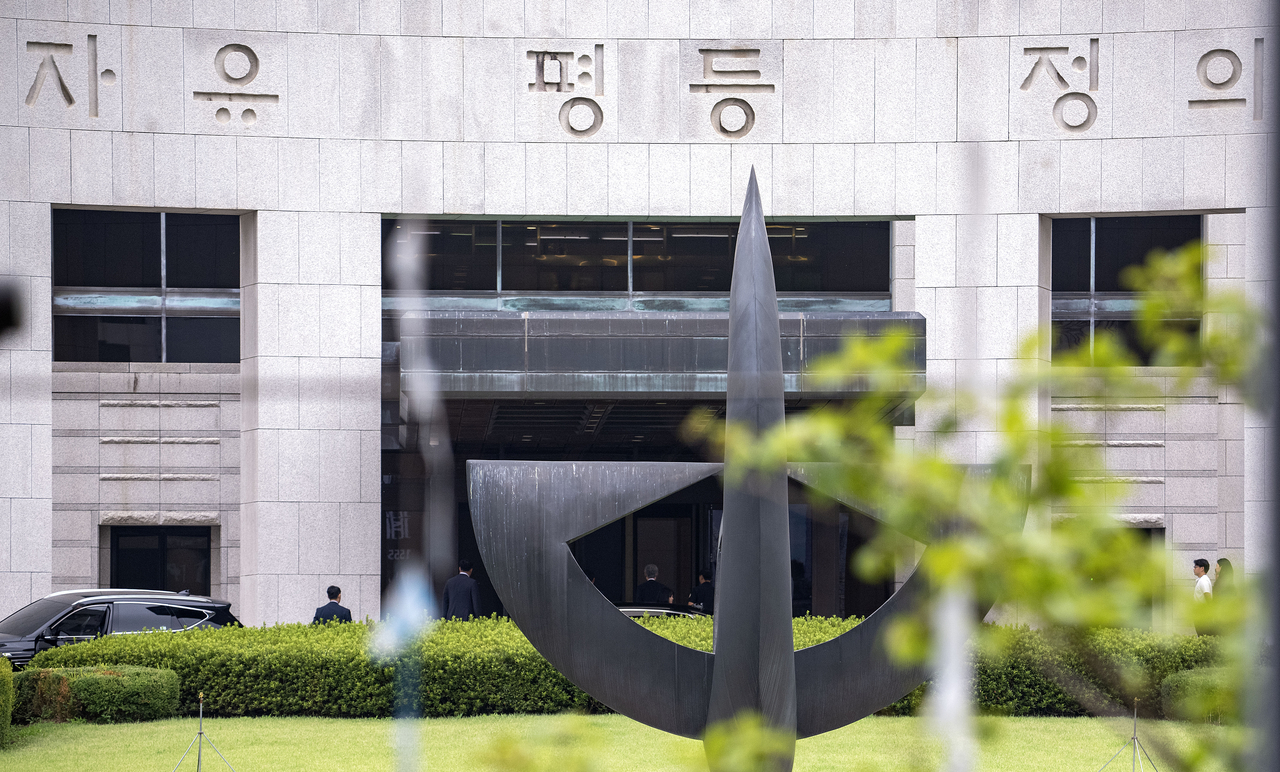
Legal circles say the sweeping organizational changes ahead — including the abolition of the Prosecution Service and the establishment of a new public prosecution office — have influenced prosecutors' decisions to seek judgeships. With prosecutors' roles and the institutional structure set to change dramatically after the Prosecution Service is dissolved, uncertainty surrounding the organization's future and personnel matters continues to mount.
Among the nominees, 138, or 94.5 percent, graduated from law school, while eight, or 5.5 percent, completed the Judicial Research and Training Institute program. By gender, women outnumbered men — 84 women (57.5 percent) versus 62 men (42.5 percent), a gap of 22.
The Supreme Court announced the appointment plan on Jan. 12 and subsequently conducted a series of evaluations, including a legal brief writing test, a personality assessment, a document screening, a Judicial Personnel Committee document review, a practical skills interview, a legal career and character competency interview, various background checks and verification procedures, and a final in-depth interview. Those who passed the Judicial Personnel Committee's final review were then designated as candidates for appointment confirmation by the Supreme Court justices' council.
The justices' council is scheduled to meet in mid-September to review submitted opinions on each nominee's fitness to serve as a judge, along with existing appointment screening materials, before making its final confirmation decision. Under the Constitution and the Court Organization Act, the Chief Justice of the Supreme Court appoints judges after deliberation by the Judicial Personnel Committee and confirmation by the Supreme Court justices' council.
yg@heraldcorp.com