A series of cultural and arts festivals nurtured through Seoul's private festival support program will take center stage along the Han River as young hockey players from around the world descend on the city next month.
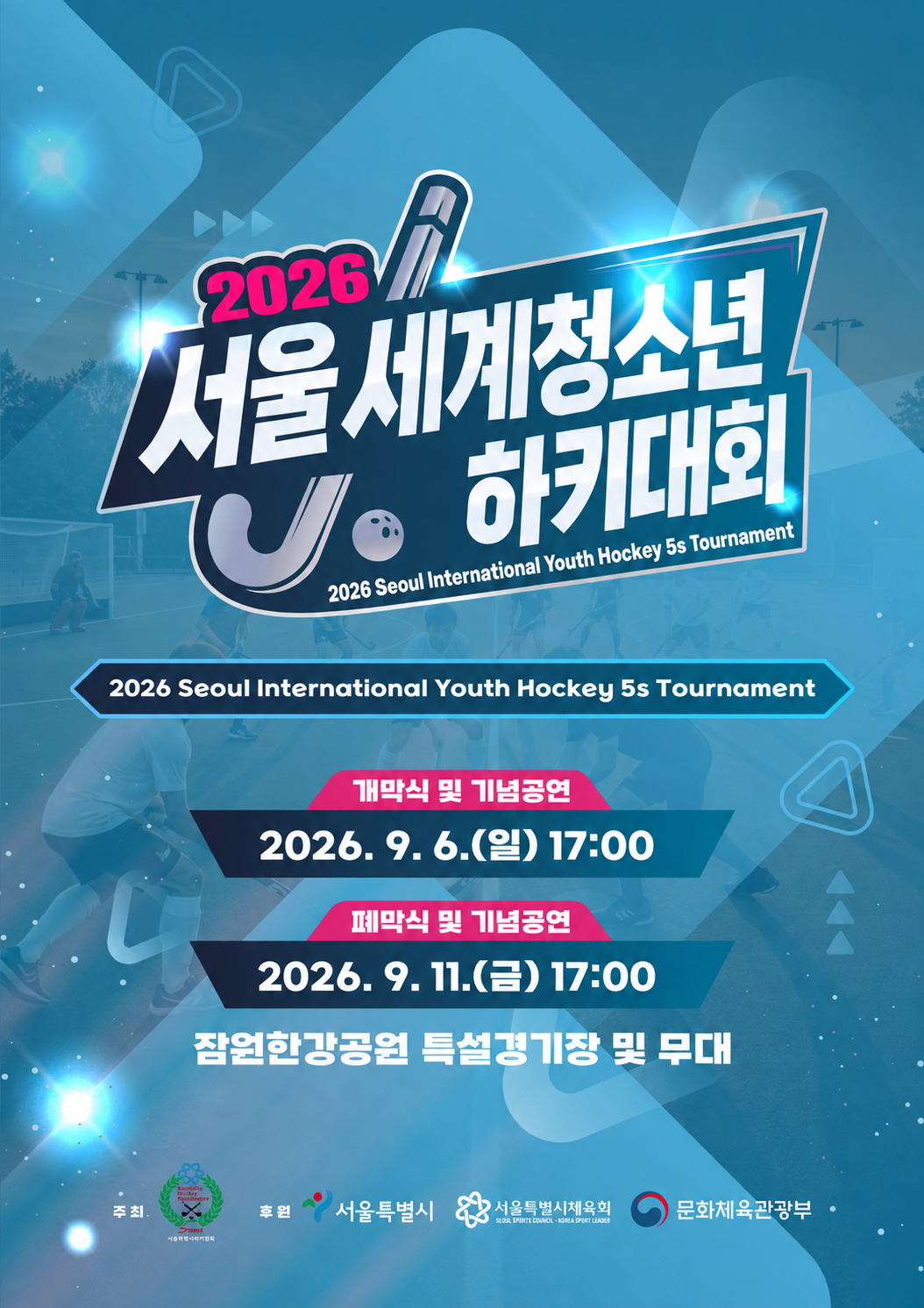
The Seoul Night Festival Week, organized in partnership with the Festival Promotion Team of the Seoul Metropolitan Government's Culture Bureau, will run for six days from Sept. 6 to Sept. 11 at Jamwon Han River Park.
Timed to coincide with the 2026 Seoul World Youth Hockey Tournament, the program will present a different genre of privately organized festival each evening — DJ sets, rock, a cappella, percussion, magic, circus and dance — forming a large-scale cultural arts program that runs alongside the competition.
During the day, young athletes from around the world will compete on the hockey pitch. In the evenings, players, Seoul residents and tourists will gather along the Han River to enjoy cultural performances against the backdrop of the city's nighttime skyline. The event is drawing attention as a new model that fuses an international sports tournament with some of Seoul's best privately organized festivals.
By linking multiple private festivals to an international sports event, organizers expect to raise the profile of each individual festival while simultaneously boosting Seoul's standing as a global festival destination — introducing the city's cultural offerings to domestic audiences, foreign youth athletes, tournament officials and international tourists all at once.
Seoul's Festival Promotion Team and the private festivals it has built
The Festival Promotion Team within Seoul's Culture Bureau has worked to identify and cultivate creative, competitive privately organized festivals, providing stable operational support to broaden residents' access to cultural experiences. The team backs diverse cultural and arts content to help it grow sustainably while building a distinctive festival ecosystem across the city.
The Seoul Night Festival Week is expected to serve as a showcase for the team's private festival support program, presenting its results to both domestic and international audiences in a single venue. The initiative goes beyond funding individual festivals — it represents a new support model that organically connects international sport, cultural arts and tourism to expand the reach and impact of the festivals involved.
The core idea is to combine the international participant base the World Youth Hockey Tournament has secured with the creative content that private festivals bring, generating mutual uplift for both. The private festivals gain exposure to young people from around the world and foreign tourists, while the hockey tournament can extend visitor dwell time and boost overall satisfaction through nightly performances.
Seoul's plan is to give residents easy access to high-quality cultural arts festivals close to home, while offering international participants and foreign tourists a firsthand experience of the city's dynamic culture and diverse festival programming.
Hockey by day, festivals by night — a different stage every evening on the Han River
The Seoul Night Festival Week will feature a different genre of performance every day of the tournament. The program has been structured so that sports and cultural arts flow seamlessly together, allowing audiences to move naturally from the day's matches into the evening festival.
On Sept. 6, the opening day, a ceremony performance welcoming delegations from around the world will be followed by the Seoul DJing Festival, combining the Han River's nighttime skyline with high-energy DJ sets to launch the week in style.
On Sept. 7, the Seoul Rock Festival will bring live band performances to Jamwon Han River Park. Sept. 8 brings the Seoul A Cappella Festival, where performers create rich harmonies using only their voices for domestic and international audiences alike.
Sept. 9 is given over to the Seoul Percussion Festival, spanning a wide range of rhythms from traditional to contemporary. On Sept. 10, the Seoul Magic and Circus Festa offers spectacles that transcend language and generational barriers, with particular appeal for families and foreign tourists.
On Sept. 11, the final day of the tournament, the Seoul Dance Festival will present performances spanning multiple dance genres and styles. A closing ceremony shared by the international youth delegations and Seoul residents will cap six days of sport and culture.
By offering a fresh genre each day, the program is expected to draw a broad range of audiences to Jamwon Han River Park — not only fans of any single performance style, but also families, young people and foreign tourists.
Seoul's private festivals meet foreign athletes and international tourists
The event carries added significance as an opportunity for Seoul's privately organized festivals to meet a global audience directly. The tournament will bring together more than 300 youth athletes from seven countries and territories — South Korea, China, Japan, Malaysia, Saudi Arabia, the Philippines and Macao.
After their matches, foreign athletes will watch performances and take part in festival activities alongside their teammates, experiencing the breadth of Seoul's cultural arts scene. Organizers hope that the friendships forged through sport will deepen into cultural exchange, transforming the tournament into something beyond a hockey competition — a platform for global youth cultural dialogue.
Organizers believe the linked program will raise the profile of Seoul's best private festivals both at home and abroad, while also establishing the Han River as a premier global festival venue representing the city.
Presenting multiple festival genres in quick succession is expected to give foreign athletes and tourists a vivid sense of Seoul's cultural diversity and the creative capacity of its private festival organizers. The initiative could also lay groundwork for expanding the international reach of top private festivals and broadening their cross-border exchange opportunities.
From cultural enjoyment to nighttime tourism and local economic vitality
The nightly festivals are expected to do more than expand residents' access to culture — they are also seen as a boost to Seoul's nighttime tourism and the local economy.
The plan is to create a natural flow from hockey matches into performances, cultural experiences and food and beverage consumption, extending visitor dwell time and driving foot traffic to businesses, tourism facilities and cultural venues around Jamwon Han River Park.
Pairing a sports event with a nighttime festival naturally stretches visitor activity into the evening hours. That extension can translate into spending on performances, food and drink, transport, shopping and tourism, creating a virtuous cycle that injects energy into surrounding businesses.
By giving international tournament participants and foreign tourists a simultaneous taste of Seoul's nighttime culture and the Han River's appeal, the initiative is also expected to establish the Jamwon Han River Park area as a leading nighttime cultural tourism hub for the city.
The effort is being watched as a demonstration of new possibilities for Seoul's festival policy — one that connects private festival support to nighttime culture, tourism and the local economy. If the model of pairing private festivals with large-scale events such as international conferences, exhibitions and sports tournaments is extended, it could develop into a sustainable cultural tourism model capable of driving Seoul's nighttime economy over the long term.
More than 300 athletes from six countries and territories — a stage for global sporting exchange
The 2026 Seoul World Youth Hockey Tournament, hosted by the Seoul Hockey Association, will be held Sept. 6–11 at a specially constructed venue at Jamwon Han River Park. The event is backed by the Seoul Metropolitan Government, the Seoul Sports Council, the Ministry of Culture, Sports and Tourism, and the Korea Hockey Association.
More than 300 youth athletes from six countries and territories — South Korea, China, Japan, Malaysia, the Philippines and Macao — will compete in the tournament, which is designed as a platform for international sporting exchange where young players can compete in good spirit and build lasting friendships through hockey.
The tournament aims to identify and develop the next generation of hockey talent, broaden the sport's domestic base and showcase Seoul's competitiveness in sports and culture to the world. The long-term goal is to establish the event as an annual international sports festival held in Seoul.
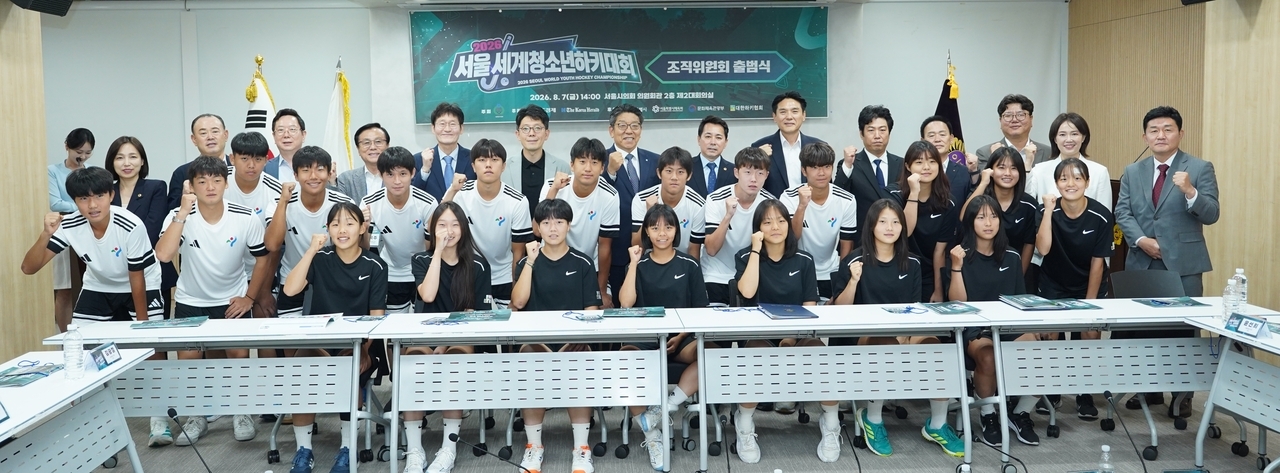
Jo Byeong-u, chair of the 2026 Seoul World Youth Hockey Tournament organizing committee, said the event would give young athletes from around the world a chance to compete on the hockey field by day and enjoy a range of cultural arts festivals supported by the Seoul Metropolitan Government in the evenings. "It will be a distinctly Seoul international event that brings together sport, festivals and tourism," he said.
Jo added that presenting Seoul's top private festivals intensively to foreign delegations and international visitors was expected to generate strong synergies — raising the profile of individual festivals and spreading awareness of Seoul's cultural appeal. "We will develop this into a representative international sports and culture festival in Seoul, one that residents and tourists can enjoy together," he said.
7toy7@heraldcorp.com