![Seoul Mayor Oh Se-hoon. [Yonhap]](https://wimg.heraldcorp.com/news/cms/2026/08/22/rcv.YNA.20260820.PYH2026082010230001300_P1.jpg)
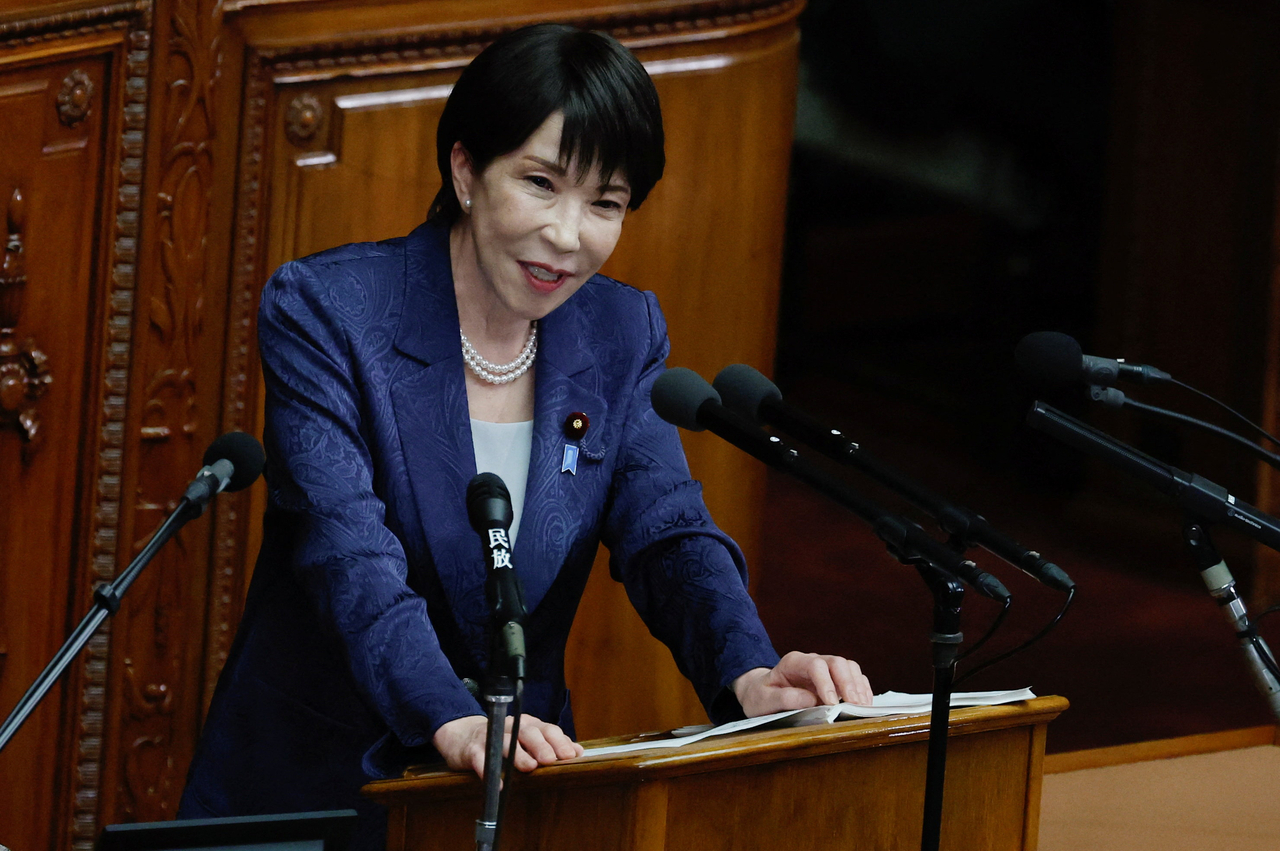
Seoul Mayor Oh Se-hoon and Kim Young-bae, a Democratic Party of Korea lawmaker who chairs the party's Seoul chapter, met Saturday to discuss housing supply measures for the capital but failed to narrow their differences over the development of Yongsan Park and further greenbelt releases. They did, however, confirm room for talks on expanding housing supply through eased redevelopment and reconstruction regulations.
Oh and Kim held a luncheon meeting to discuss key housing policy issues facing Seoul, including housing supply in and around Yongsan Park and ways to revitalize redevelopment and reconstruction projects.
The Seoul Metropolitan Government reaffirmed its standing position against using the main Yongsan Park site for residential purposes. Oh said the city needs considerable time for administrative procedures related to creating Yongsan Park, as well as for soil decontamination, making it "realistically difficult" to break ground within the current administration's term.
Instead, the city favors exploring housing supply possibilities on sites other than the main Yongsan Park grounds. Oh had also raised the idea of using scattered state- and publicly-owned land around Yongsan Park at a separate meeting with Ministry of Land, Infrastructure and Transport Minister Kim Yun-deok on Thursday.
Sites the city has floated as potential supply candidates include the Defense Finance Management Agency compound in Itaewon-dong, Yongsan-gu, Camp Kim, a Ministry of Foreign Affairs parking lot and a Bank of Korea staff housing site. The city's approach is to preserve the main Yongsan Park grounds while examining the housing potential of surrounding parcels on a case-by-case basis.
Oh proposed to Kim on Saturday that the two sides work together to identify alternative sites. The city said it intends to seek additional land — including the Tancheon Water Reclamation Center — that could serve long-term housing supply needs, even if immediate development would take time.
![Kim Young-bae, chairman of the Democratic Party of Korea's Seoul chapter, answers reporters' questions after briefing the press at the National Assembly communications room Saturday following his meeting with Seoul Mayor Oh Se-hoon. [Yonhap]](https://wimg.heraldcorp.com/news/cms/2026/08/22/rcv.YNA.20260822.PYH2026082202270001300_P1.jpg)
Oh doubled down on the need for prior consultation between the central government and the city, arguing that if the government consults Seoul before announcing candidate supply sites — rather than after — the two sides can review project feasibility and anticipated permitting issues in advance and arrive at workable supply plans.
The two sides also remained at odds over greenbelt releases. Kim criticized the city's current stance of drawing a firm line against further releases, pointing to Seoul's earlier agreement to lift greenbelt protections during the development of the Seoripul district.
The Seoul Metropolitan Government rebuffed the comparison, saying the Seoripul case and any additional greenbelt releases are separate matters. Oh explained that even at the time, the city had reviewed development only for already-degraded areas and had coordinated with the government on the condition that housing for newlyweds under the "Mirinaezip" program would be supplied — and that a principle of no further greenbelt releases had been presented alongside that agreement.
Oh had also addressed the issue after his meeting with Land Minister Kim on Thursday, saying his agreement to the Seoripul release "was a decision that took into account the policy goals of responding to the low birth rate and securing housing for future generations." He added that of the roughly 20,000 units planned at the time, 11,000 were earmarked for younger generations.
The standoff between Seoul and the central government over housing at Yongsan Park is expected to continue for now. Land Minister Kim had also met with Oh on Thursday to discuss options for the site but the two sides failed to reach an agreement.
Both sides did, however, acknowledge the need to expand supply through urban renewal projects. Kim said he confirmed that talks are possible on regulatory improvements including floor-area-ratio incentives for redevelopment and reconstruction, while the city said it will consistently support urban renewal activity through existing programs such as its fast-track integrated planning initiative.
quq@heraldcorp.com