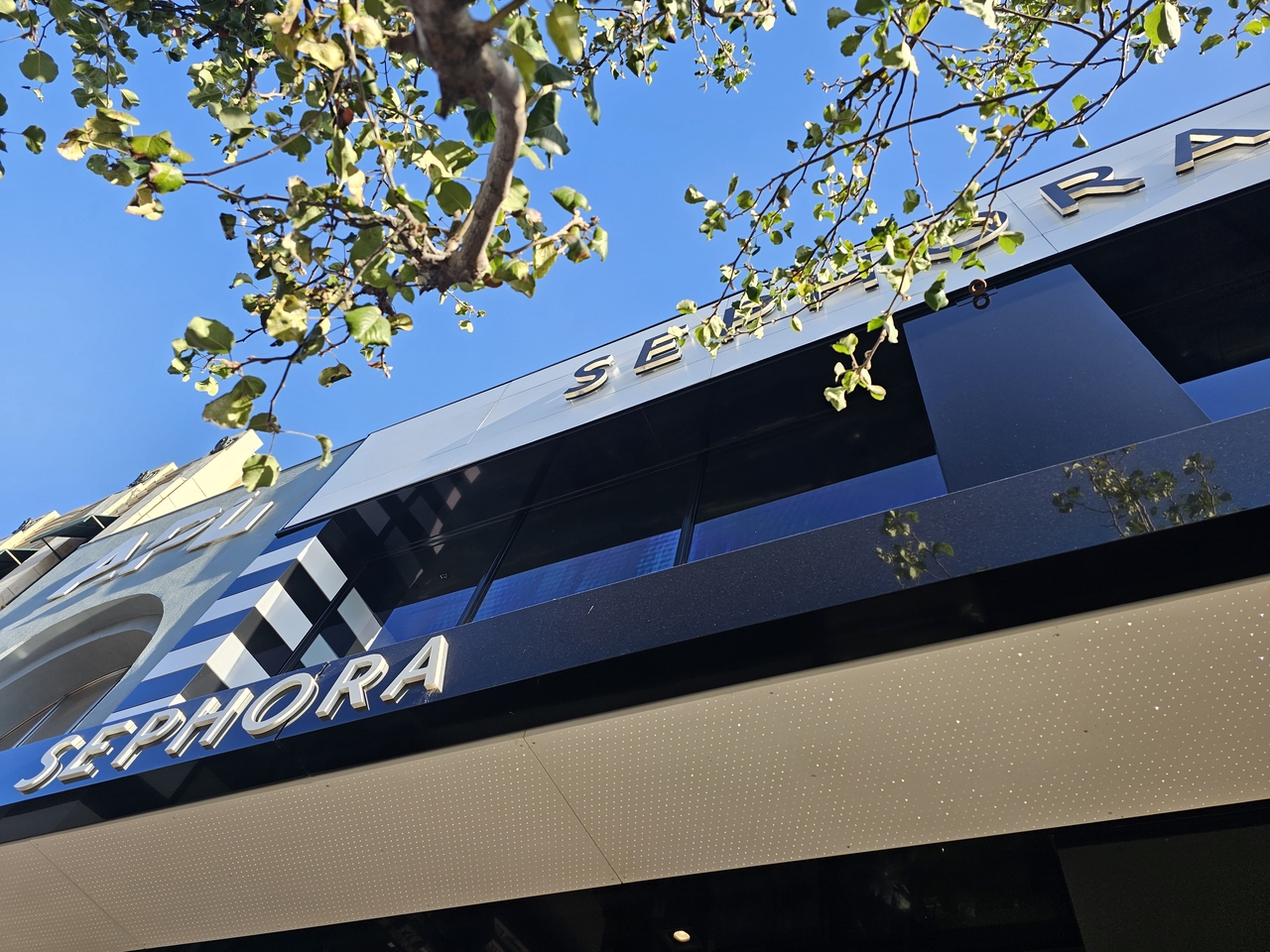
Sephora, the world's largest beauty retailer, is emerging as a key beachhead for Korean aesthetic and beauty-tech companies pushing into the North American market.
Owned by LVMH, Sephora is widely regarded as the gold standard in global beauty retail for its rigorous vetting process. Korean biotech aesthetic companies and innovative beauty-tech brands have secured spots in Sephora's physical and online stores by leading with proprietary technology, extending their reach beyond Amazon-driven online sales and into the brick-and-mortar mainstream where local American consumers shop.
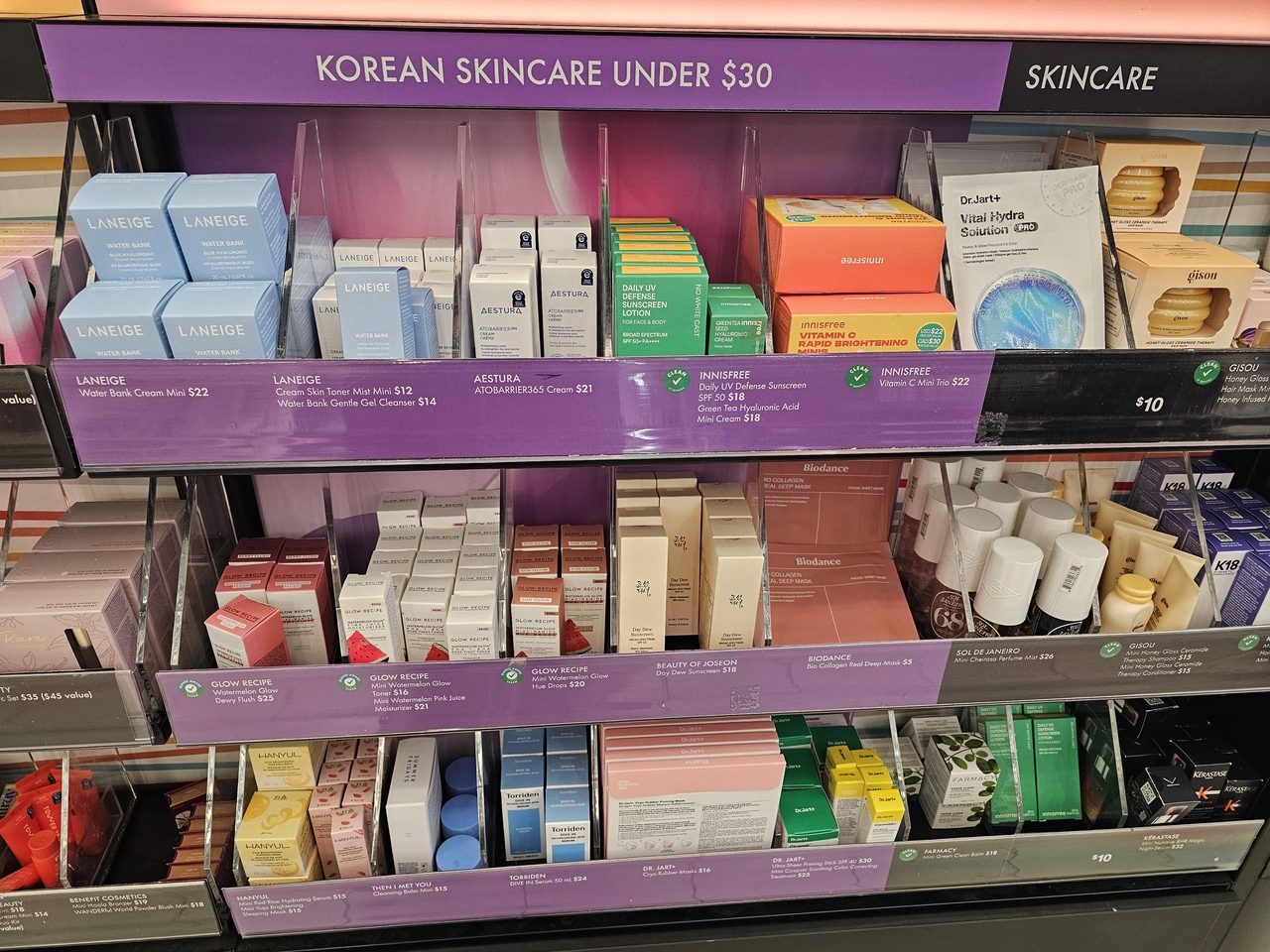
A wave of leading Korean brands has entered Sephora through CJ Olive Young's dedicated curation program, the "K-Beauty Edit," which spans more than 580 Sephora stores and its online platform across the United States.
Hugel's clinical cosmetics brand Wellage used the program to introduce five products from its flagship Real Hyaluronic line — a one-day kit, ampoule, toner, cream and mask — across all US Sephora locations.
The Sephora placement gives Hugel a presence across the full retail spectrum: Amazon and warehouse store Costco for mass-market reach, and now the premium beauty specialist for a more discerning audience. The company is also running pop-up truck marketing campaigns outside Sephora stores in key cities including New York, Texas and Florida to deepen its connection with local consumers.
Beauty devices — products that consumers typically need to try before buying — have also made it onto Sephora's shelves. Athhome's private aesthetic brand Thome was selected as the only beauty device brand among the 19 labels participating in the CJ Olive Young K-Beauty Edit, securing placement in more than 580 Sephora stores and on its online platform. The brand is leading with two devices — the Glow Signature and the Twoandtyup — both built on water-droplet ultrasound technology, targeting offline shoppers who want a hands-on experience before purchasing.
As Sephora placements drive a surge in local demand, companies are moving aggressively to build out their US supply chains. PharmaResearch, a regenerative medicine specialist, acquired CG USA, a California-based cosmetics manufacturer, to keep pace with rapidly growing US demand for its Rejuran Cosmetic line on Sephora and Amazon. The acquisition gives the company a local production base to streamline logistics and, with an FDA-registered facility in place, a platform to supply markets across North and South America.
Industry observers see the Sephora entry as a decisive turning point, signaling that Korean beauty exports to the United States have shifted away from mid- to low-priced skincare and toward high-value, technology-driven categories such as pharmaceutical-grade dermocosmetics and home aesthetic devices.
By clearing Sephora's strict vetting process and entering the world's top beauty retail network, Korean medical aesthetic companies and beauty-tech firms have meaningfully raised their brand premium and technical credibility with mainstream American consumers.
"We are honored to officially enter Sephora, a premium retail channel that sets global beauty trends," said Carrie Strom, global CEO of Hugel. "Building on the strong position and proven product quality we have established in Korea's hydrating ampoule market, we will actively elevate the standing of K-beauty in the United States and around the world."
silverpaper@heraldcorp.com