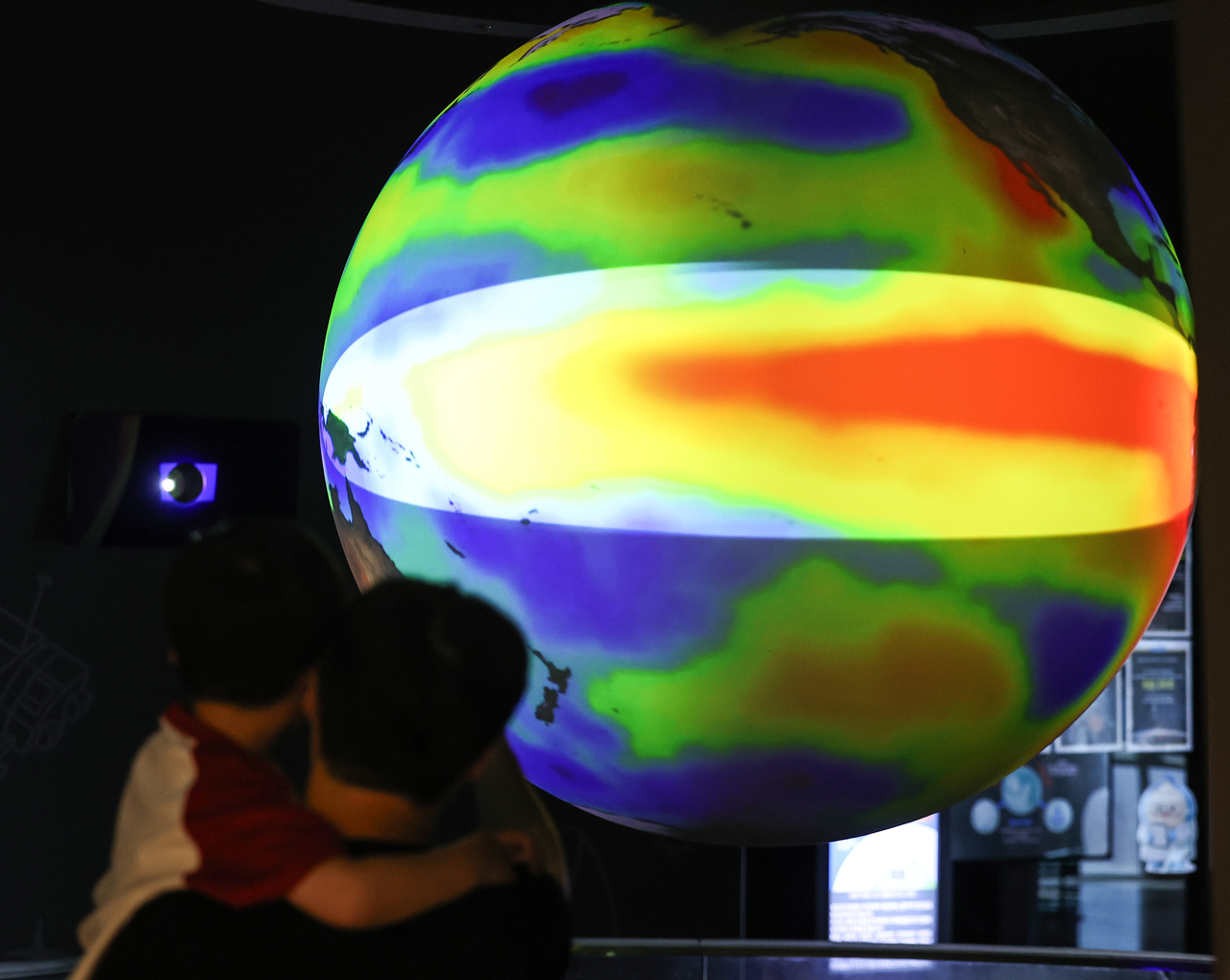
Rice cannot be planted. Corn is failing to grow. An El Niño that has yet to reach its peak is already parching farmland across Asia, Africa and Latin America. With this year's event on track to become the most powerful in roughly 80 years of recorded observation, scientists warn the real crisis will come at year's end, when El Niño typically peaks.
Exceptional droughts driven by this year's El Niño are persisting across India, Ethiopia and Panama, The New York Times reported Saturday. In major Asian rice-producing countries such as Thailand and Vietnam, rice planting has fallen behind schedule, and in some of Kenya's breadbasket regions, corn yields could drop to one-tenth of normal levels.
El Niño is a phenomenon in which sea-surface temperatures in the central and eastern equatorial Pacific rise above normal. It recurs every two to seven years. The problem is that the warmer ocean reshapes wind patterns and shifts where rain falls around the world — bringing drought to some regions and torrential downpours to others.
This year, the scale of the disruption is alarming.
The US National Oceanic and Atmospheric Administration (NOAA) puts the probability of El Niño reaching "very strong" intensity between October and December at 81 percent. Under that scenario, three-month average sea-surface temperatures in key Pacific monitoring zones would run more than 2 degrees Celsius above normal.
Some projections suggest daily sea-surface temperatures could exceed the norm by more than 3 degrees Celsius. If that materializes, this year's El Niño would surpass the record-setting events of 1982–1983, 1997–1998 and 2015–2016.
"A difference of three or four degrees might not sound like much," said Samantha Stevenson-Karl, a professor at the University of California, Santa Barbara. "But the ocean just doesn't change by that much."
What makes the situation more alarming is that damage is already appearing worldwide even though El Niño typically does not peak until around December.
India endured its fifth-driest June since modern rainfall records began in 1901. Although monsoon rains have picked up in some areas recently, a significant number of regions are still receiving below-normal precipitation.
Ethiopia's fertile highlands are experiencing their driest summer in four decades. Even Panama — one of the world's rainiest countries — has seen little significant rainfall in some areas since early May.
Chris Funk, director of the Climate Hazards Center at the University of California, Santa Barbara, described the pattern as an "early onset El Niño," meaning its impacts are arriving faster than in previous cycles.
Changes that could hit dinner tables are already under way. Across Southeast Asia, dry conditions are delaying the planting of rice and other crops in Thailand, Cambodia, Vietnam and the Philippines.
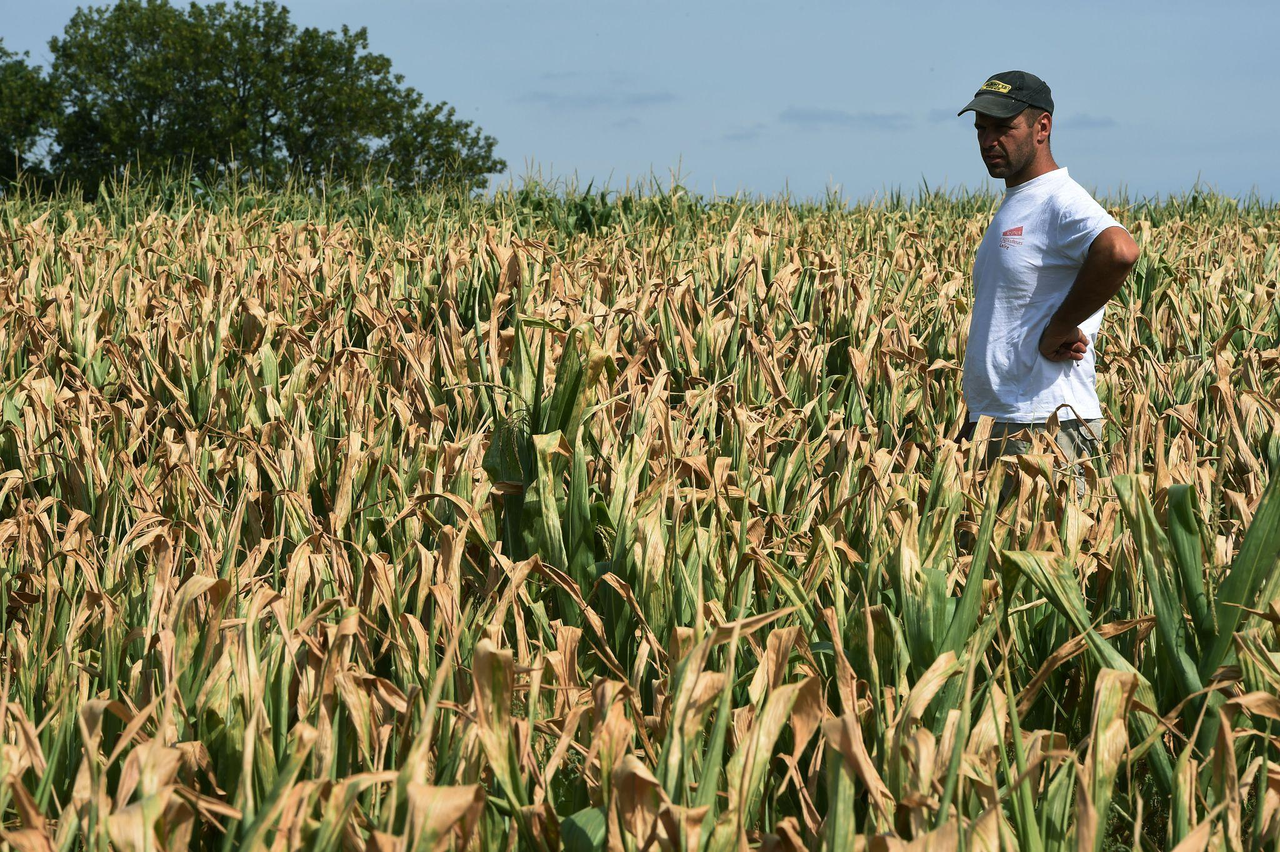
In Guatemala, some areas received up to 85 percent less rainfall than normal last month. With temperatures also running above average on top of the lack of rain, crops such as corn are suffering a double blow.
The situation in Kenya is even more serious. Chris Sitote, a researcher with the Famine Early Warning Systems Network, recently toured key breadbasket areas in western Kenya and said the corn crop was in shockingly poor condition.
Corn that normally grows to about 9 feet (roughly 2.7 meters) reached only 5 to 6 feet this year. In some areas where farmers typically harvest 20 to 30 bags per acre, this year's yield is expected to be as low as one or two bags.
"Even people who have been doing field surveys for the past 10 years say they have never seen anything like this," Sitote said.
Drought in breadbasket regions ultimately translates into higher food prices and hunger. The UN World Food Programme projected that El Niño could push about 50 million additional people worldwide into severe food insecurity by the end of this year — an increase of roughly 20 percent.
If harvests deteriorate simultaneously in the major growing regions for staple grains such as rice and corn, global grain prices could come under pressure. Low-income countries that rely heavily on food imports would likely be the first to feel the impact.
El Niño's reach extends beyond the dinner table. Drought warnings have been raised again for the Panama Canal, a critical artery of global trade.
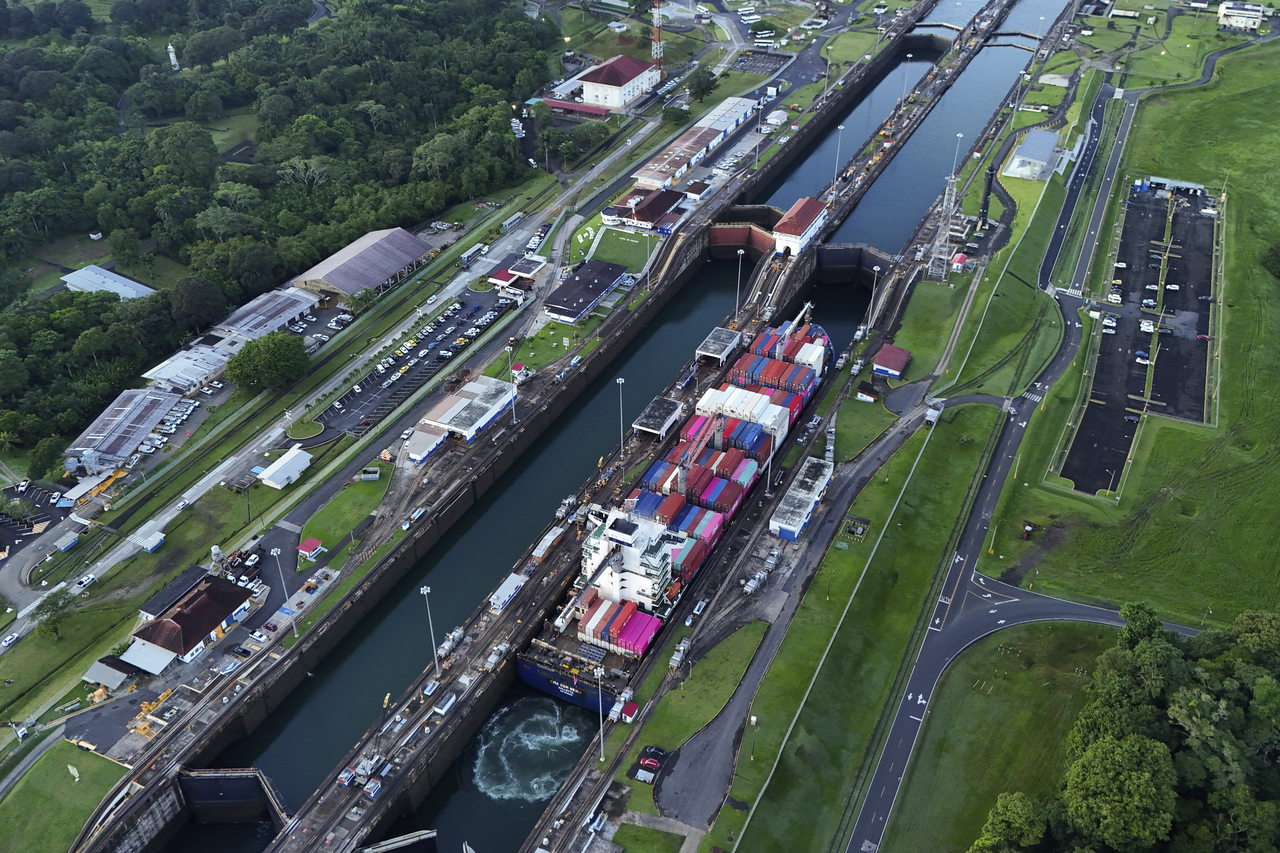
The Panama Canal operates its locks using water from lakes fed by rainfall. When water levels fall due to lack of rain, ships cannot carry full loads. If conditions worsen further, the number of vessels allowed to transit the canal each day must be reduced.
During the 2023–2024 El Niño, severe drought restricted canal transits and disrupted global shipping and supply chains.
With drought persisting again this year, the Panama Canal Authority has tightened restrictions on maximum vessel loads. Spokesperson Octavio Colindres said the authority has not ruled out limiting the number of daily transits if conditions deteriorate further.
Heat records are also alarming. According to NOAA, last month was the hottest July since global temperature records began in 1850, matching July 2024. Zeke Hausfather, a climate scientist at Berkeley Earth, puts the probability of this year becoming the hottest on record at 40 percent.
The deeper problem is that even scientists find it difficult to predict exactly how far this year's El Niño will go. Existing climate models were built on past El Niño events, and if this year's event surpasses all previous records, forecast uncertainty grows accordingly.
"At a minimum, it will be as bad as the worst we've experienced so far," said Steven Paton, a researcher at the Smithsonian Tropical Research Institute. "And it could be much, much worse."
Because El Niño has yet to reach its peak, the current droughts and crop failures may be only a preview. If a record-breaking El Niño arrives at year's end as projected, there is growing concern that its impact will ripple through agricultural prices, food security for people around the world and global logistics alike.
sjy@heraldcorp.com