Hardliners in Iran are growing louder in their calls to reinstate mandatory hijab enforcement for women, CNN reported Saturday.
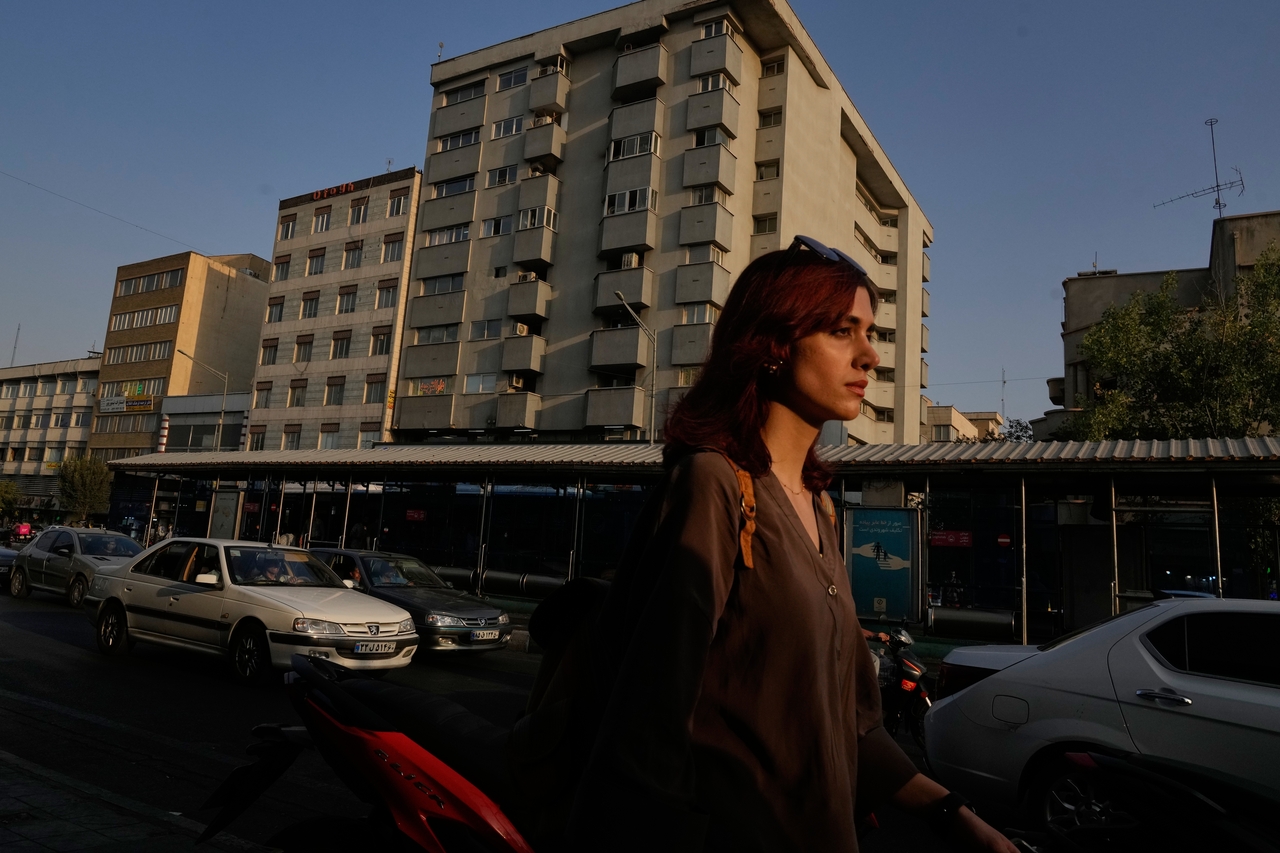
Iranian law requires women to wear the hijab in public, but since the war began six months ago those legal and religious restrictions have loosened considerably. Going without the head covering has become increasingly tolerated.
"When tensions with the United States were at their peak, it was common to see women without hijabs even at pro-government rallies and on state media," CNN reported, adding that the government and military had bigger problems — the war — to deal with.
In recent weeks, however, conservative clerics and politicians have been raising their voices to demand a return to a hard line against what they call "public indecency," CNN said.
Iranian state media has also been giving prominent coverage to cafes and businesses shuttered for violating the dress code — that is, for failing to enforce hijab wearing among women.
The Tehran prosecutor's office warned Monday that it would take strict action against obscene and illegal conduct at some cafes and restaurants in the capital, as well as stores selling unconventional or inappropriate clothing.
Mohammad Javad Haj Ali Akbari, the cleric who leads Friday prayers in Tehran, claimed there were "organized attempts to encourage indecency" and that "some people are paying the price for appearing in public in inappropriate dress."
In Iran, terms such as "indecency" and "public obscenity" generally refer to women appearing in public without the hijab.
Hossein Shariatmadari, editor of the hardline conservative newspaper Kayhan, wrote in an editorial that "enforcing the hijab is both a legal duty and a religious mission for civil servants."
The relaxation of hijab enforcement is widely seen as a concession by Iran's leadership to ease public discontent during wartime, though the ripple effects of the nationwide hijab protests four years ago cannot be ignored.
Since those protests, resistance to mandatory hijab wearing has grown among young Iranian women, who have increasingly defied official warnings.
CNN said Iranian women are clearly not intimidated by the mounting pressure from hardline conservatives.
One sign of that defiance: videos of women riding motorcycles — an activity banned for women — continue to circulate on social media.
President Masoud Pezeshkian, considered a moderate, recently pushed back as well. "A cleric mentioned the hijab — he should go to the local mosque and make his efforts there," he said. "Can you really change people's behavior through law?"
Former lawmaker Gholam Ali Jafarzadeh Imanabadi said the government should focus first on rising prices and the hardships facing ordinary people, rather than on women's hijabs.
husn7@heraldcorp.com