The Korea Fair Trade Commission has sharply increased the number of fines it imposes since the Lee Jae Myung government took office, but a significant portion of those fines remains uncollected, data released Tuesday showed.
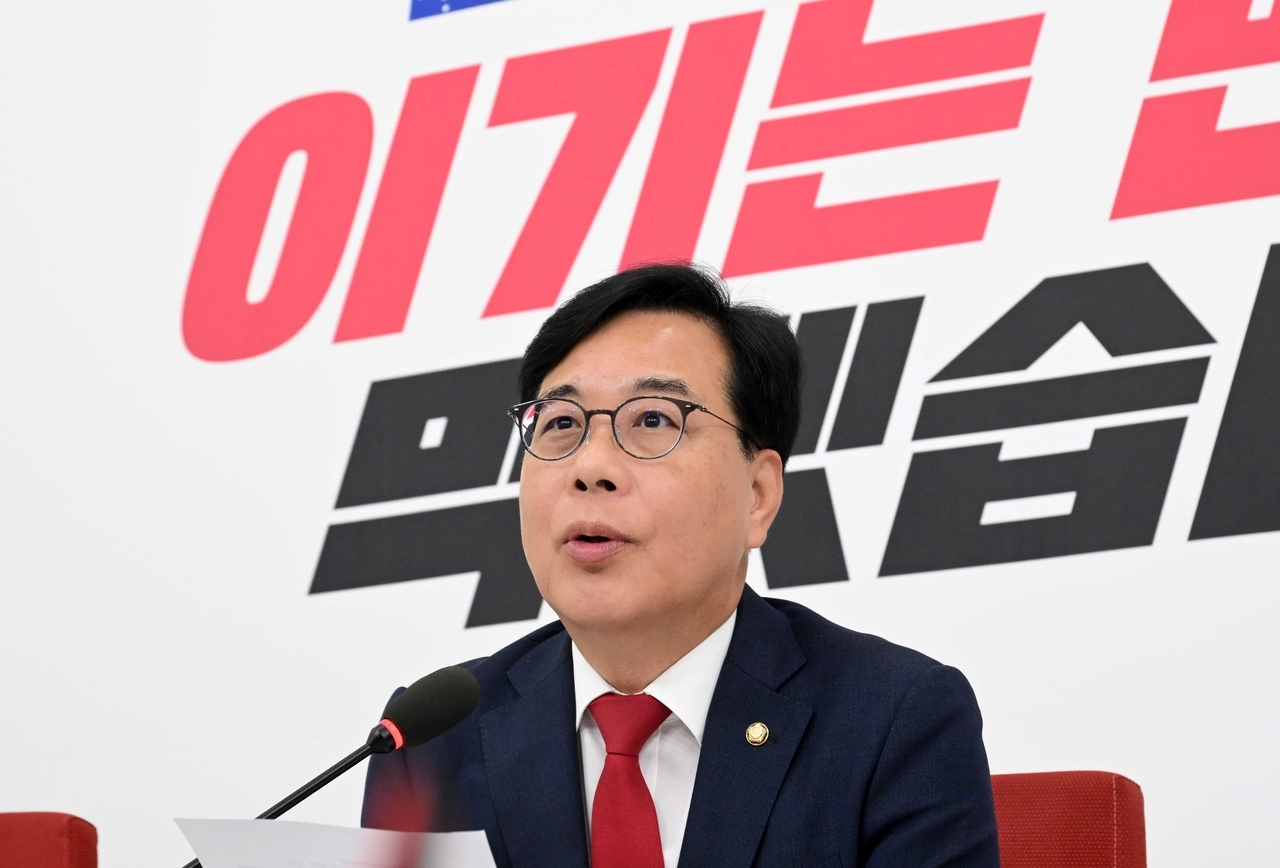
According to documents that People Power Party lawmaker Song Eon-seog obtained from the Fair Trade Commission, the agency issued 194 fines in 2025 — a major increase from the annual average of around 100 cases recorded between 2021 and 2024. As of July this year, the commission had already handed down 93 additional fines.
The surge in cases drove a corresponding rise in the total amount levied. Fines imposed through July this year reached 1.35 trillion won ($980 million), roughly four times the 340.17 billion won assessed over all of last year.
Song attributed the increase to the Lee government's push to toughen penalties for unfair business practices. He said President Lee, during a Fair Trade Commission briefing in December last year, directed the agency to strengthen financial sanctions over criminal prosecution as a means of deterring corporate misconduct — a directive Song said translated directly into the higher figures.
Acting on that directive, the commission revised its fine-imposition guidelines in April, raising the floor rate for calculating fines and stiffening penalties for repeat violations. In its second-half work plan released recently, the commission also announced plans to overhaul the current fine structure by significantly raising the ceiling and allowing company size to factor into calculations.
Despite the tougher stance, critics argue that the volume of fines imposed has far outpaced the amount actually collected.
Of the 1.35 trillion won the commission levied between January and July, some 1.31 trillion won remained uncollected. Of that unpaid amount, 773.27 billion won had not yet come due — deferred under installment payment plans or extended deadlines — while 453.08 billion won was suspended pending court-ordered injunctions.
"Strict sanctions against unfair practices that distort market order are necessary, but imposing more fines and inflating the amounts does not in itself mean those sanctions are effective," Song said. "Fines should not stop at being a showy display of large numbers — they must be based on thorough investigation and careful legal review, issued with precision, and followed through to actual collection."
He added that the government "should prioritize improving the accuracy and quality of the Fair Trade Commission's decisions, rather than fixating solely on hitting harder."
raining@heraldcorp.com