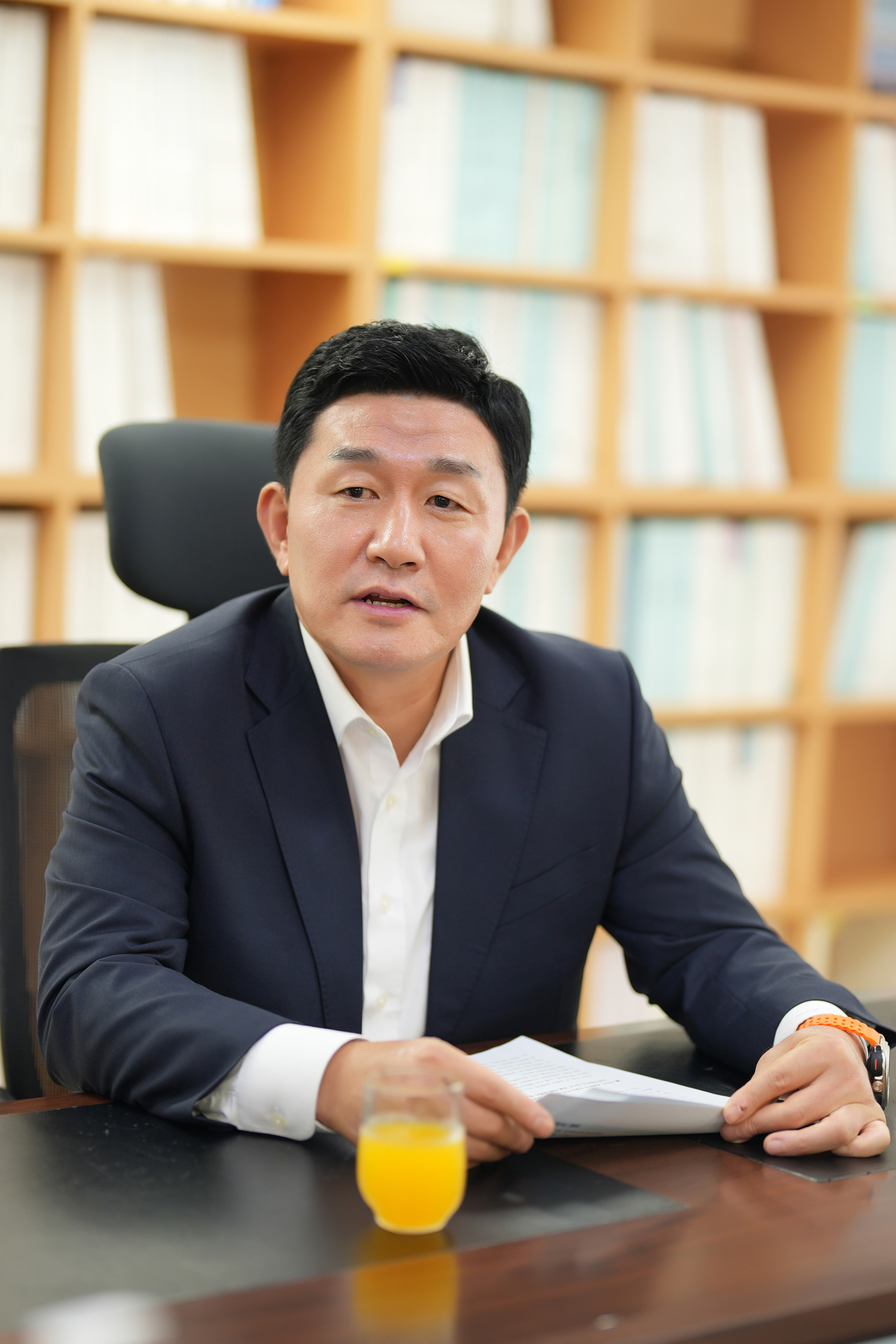
Seoul's competitiveness cannot be built on a single new cultural facility, a visitor headcount or a sporting event. The city's strength grows when residents enjoy culture, artists create, tourists linger and sport becomes part of daily life — and when all of those moments connect.
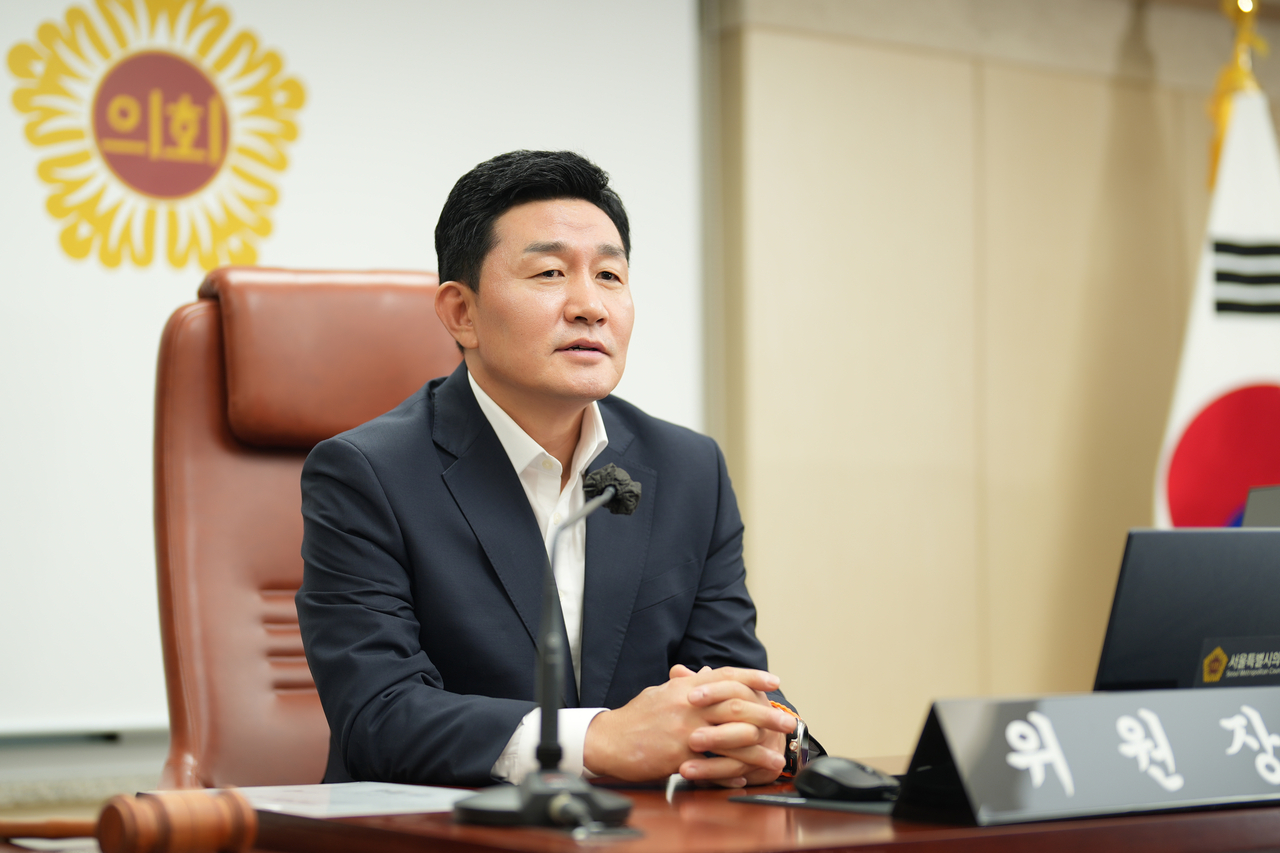
Hwang Cheol-gyu, chair of the Seoul Metropolitan Council's Culture, Sports and Tourism Committee and a People Power Party member representing Seongdong District No. 4, said he intends to treat culture, tourism and sports not as separate policy domains but as a single driver of urban competitiveness. "Connecting the value that culture, tourism and sport generate across Seoul into one coherent flow is what matters," he said.
The core goal, he said, is to broaden everyday access to culture and sport for residents, give artists and athletes a fair foundation for growth, and make Seoul a city that visitors want to return to.
He identified structural reform of subsidy programs in the three sectors as a priority — reducing repetitive grants concentrated on particular organizations or individuals, strengthening transparency and performance management, and improving the fairness of open-call and evaluation processes, along with more rigorous post-project assessments.
"The goal is not to spend more on culture, sports and tourism policy, but to spend it right," Hwang said. "Policy should be evaluated on how much residents actually feel the benefit and how effective it is — not on quantitative output."
The next challenge for K-culture: strengthening foundational arts
To raise Seoul's cultural competitiveness, Hwang said support for foundational arts must be expanded alongside globally recognized content such as K-pop and drama series.
Programs that improve public access to culture — such as the Seoul Youth Culture Pass and the Performing Arts Spring Days initiative — should be complemented by broader support that helps artists move from creation to presentation, distribution, promotion and overseas expansion, he said.
Rather than limiting support to annual production grants, he said the city should consider multi-year funding that allows artists to sustain creative work over time, followed by assistance with audience development, distribution and international exchange after a work is completed.
He also proposed incorporating the views of artists and on-the-ground producers into the policymaking process.
"Seoul's cultural competitiveness is not built on already-famous content alone," Hwang said. "Creating an environment where new artists can emerge and their work can grow is more important in the long run."
He added that public support is needed for fields that struggle to find sufficient opportunity in the market — foundational and fine arts, experimental work and emerging artists.
For the performing arts, he called for policies that sustain the ongoing activities of arts organizations and individual artists.
He said support should move away from the current model of separate annual production-cost applications toward arrangements that allow sustained creative activity over a set period, with assistance extending to audience development and distribution after a work is produced. Corporate sponsorship, private funding linkages and stronger organizational management capacity could be pursued in parallel, he added, noting that support criteria should reflect the different market sizes and revenue structures across art forms.
On working conditions for artists, he said the city should verify that appropriate labor costs and creative fees are reflected in project budgets — given the project-based and freelance nature of the performing arts sector — and ensure that standard contracts are applied in practice.
"Just as important as producing good work is ensuring that the people who make it can keep working," he said. "We need to look at protection and support for creators together."

From visitor numbers to length of stay
On tourism, Hwang proposed shifting the policy focus from the sheer volume of foreign visitors to expanding the time they spend in Seoul and the range of experiences available to them.
He said tourism demand concentrated in Myeong-dong, Hongdae and Gangnam should be spread to other parts of the city — Seongsu-dong, Yongsan, Seochon and Mangwon among them — with each neighborhood's history, culture, food and arts developed as tourism content.
He also raised the idea of AI- and digital technology-powered personalized tourism services that recommend itineraries based on visitors' interests, whether K-pop, dining, history and traditional culture, sports or nightlife.
He further proposed weaving Seoul's cultural assets — performance venues, art museums, palaces, alleyways, the Han River and public squares — into recommended visitor routes.
"Seoul must become a global cultural tourism city where visitors stay longer, experience more and come back," Hwang said. "We will make it possible for tourists to experience the culture and appeal of Seoul beyond just a handful of neighborhoods."
Nighttime tourism as a tool for longer stays
On nighttime tourism, Hwang proposed expanding evening events while also building out the content, transport and safety infrastructure needed to keep visitors in the city longer.
The plan involves combining performances, exhibitions and digital content at palaces, cultural heritage sites, museums, art galleries, performance venues, the Han River and public squares, and linking those experiences to nearby dining and shopping.
Improving nighttime transport and safety systems to make it easier for tourists to move around the city is also part of the proposal.
"The key to nighttime tourism is not simply adding more events," he said. "Content, movement and spending need to flow naturally together so that tourists spend the night in Seoul and stay through the next day."
On sports, Hwang outlined a direction centered on closer ties between recreational and elite athletics. Greater public participation in sport, he said, creates more opportunities for professional athletes to coach and run programs, while athletes' competitive experience and expertise can in turn be channeled into programs for residents.
He also mentioned expanding neighborhood sports facilities and broadening access to school and public athletic facilities.
He said cooperation among relevant bodies — including the Seoul Metropolitan Government's Tourism and Sports Bureau and the Seoul Sports Council — is needed to pursue facility expansion, program operation and elite sports development together.
"Recreational and elite sports should not be seen as separate domains but as mutually reinforcing ones," Hwang said. "We need to create a flow where athletes' experience reaches residents, and residents' participation in sport feeds back into the development of athletics."
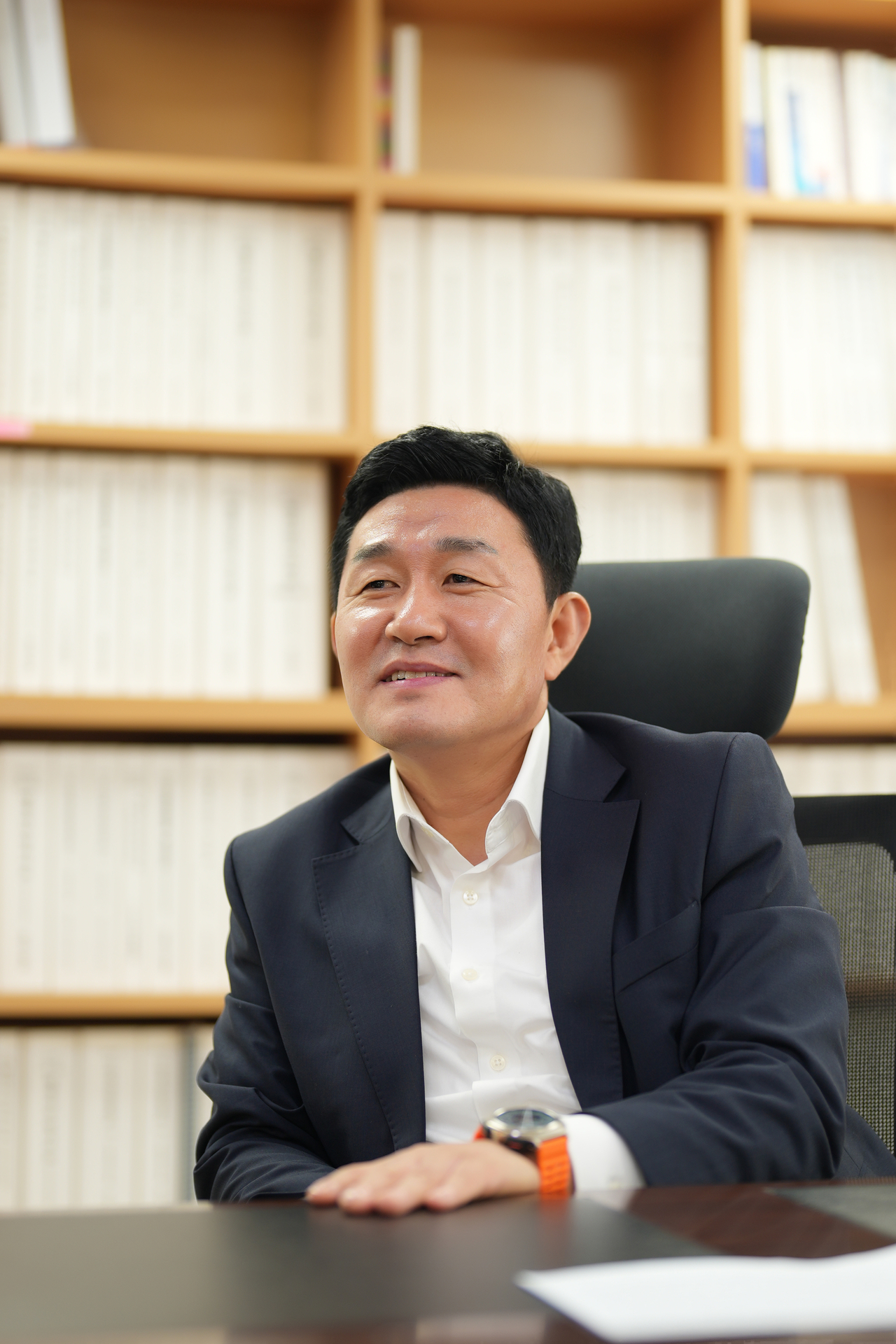
Seongsu-dong as a 'Seoul-style art belt' — 'Results must be measured by continuity and what residents feel'
Hwang also laid out plans to leverage the cultural assets of Seongsu-dong in his home district of Seongdong-gu to drive local development.
Seoul Forest, the neighborhood's red-brick buildings, former industrial sites, cafes, shops, galleries, performance venues and cultural content companies would all be developed as cultural tourism resources, he said.
He also raised the idea of expanding visitor demand beyond brand pop-up stores into arts and tourism, and introducing multilingual guides to artists, works, galleries, performance venues and creative spaces in the area for both domestic and international visitors.
The centerpiece of the plan is a "Seoul-style art belt" that links Seoul Forest, the Seongsu cultural street and local commercial districts into a single circuit, strengthening the connections among arts, tourism and the local economy.
"Seongsu-dong has every potential to develop into a space where people can encounter new artists and new work," Hwang said. "The goal is to nurture it into a neighborhood where arts, tourism and commerce each generate new demand for the others — not operate in isolation."
He said performance criteria for subsidy programs in culture, tourism and sports also need to be revised.
Quantitative metrics such as budget execution rates and participation figures should be assessed alongside the sustainability of programs, how much residents feel the impact and the ripple effects on the ground — and those findings should feed into future planning, he said.
He said he will pursue policies that support artists' creative activity in the cultural sphere, expand length of stay and repeat visits in tourism, and strengthen the link between recreational and elite sports.
"Culture, tourism and sports together shape both the quality of life for residents and the competitiveness of Seoul," Hwang said. "I will make sure the voices from the field are faithfully reflected in policy and that the Assembly fulfills its role in keeping programs across each sector connected."
He added: "Artists must be able to keep creating, residents must be able to enjoy culture in their daily lives, athletes must be able to apply their expertise, and tourists must be able to experience the full range of what Seoul has to offer. I will build a policy environment where the results of individual programs can carry forward into the next stage of growth."
7toy7@heraldcorp.com