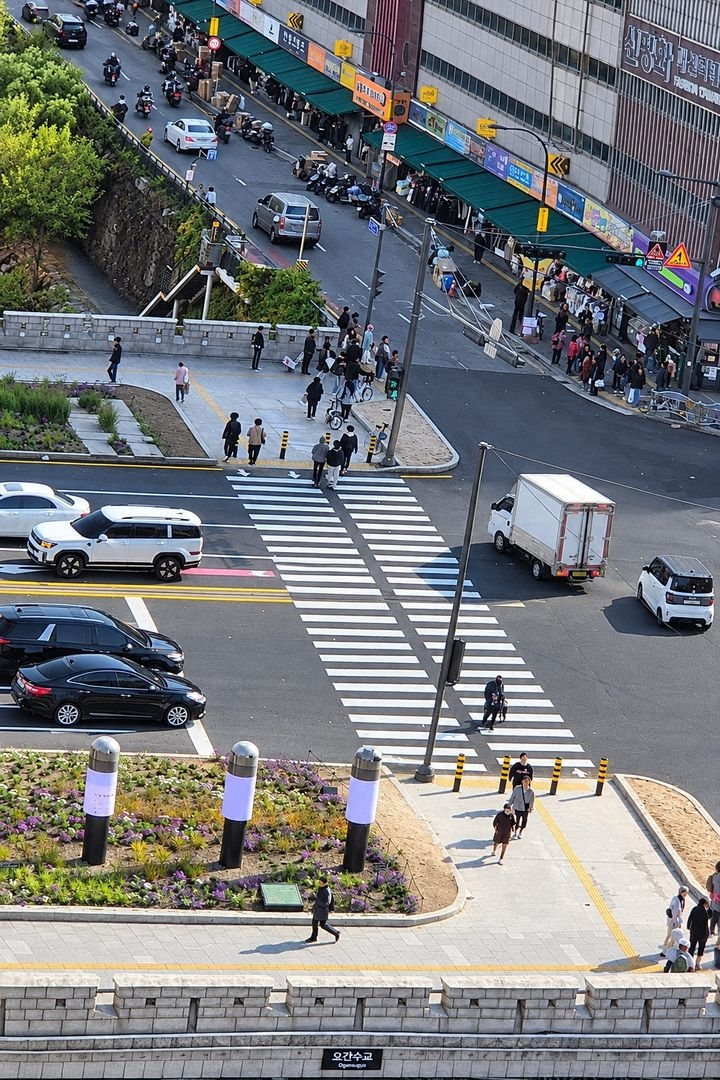
National Assembly, local councils coordinate legislation; 65 of 80 school-commute traffic accidents in Seoul involved middle and high school students
Calls are growing to extend school commute safety protections beyond elementary students after data showed that 65 of 80 traffic accidents recorded during school commute hours in Seoul involved middle and high school students. Citing the failure of the existing child protection zone system to adequately safeguard older students on foot, the National Assembly and local councils have joined forces to introduce a dedicated student protection zone regime.
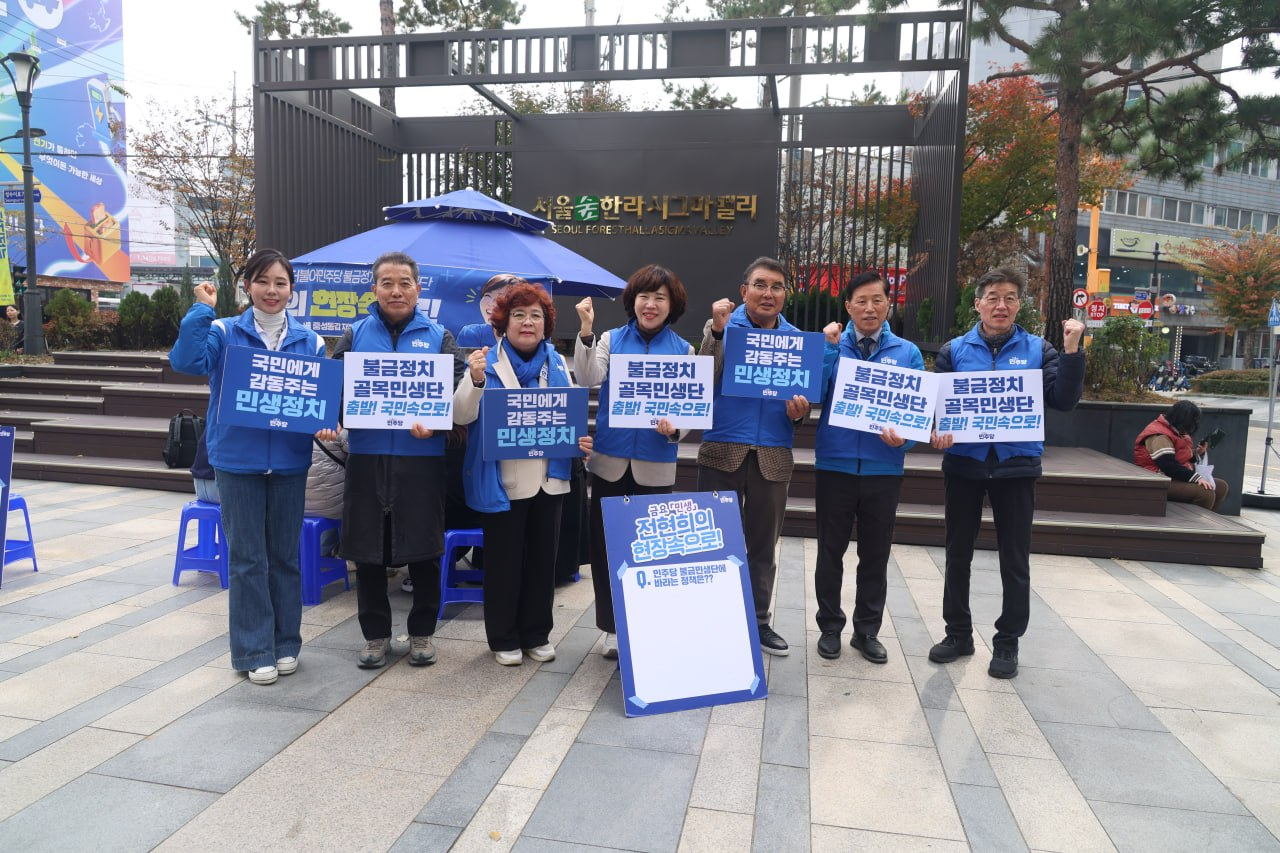
The Democratic Party of Korea's Jung-Seongdong-gap district committee announced Tuesday that National Assembly member Jeon Hyun-hee, Seoul Metropolitan Council member Kim Hyun-woo and Seongdong-gu Council member Yun Hee-jeong are each pursuing legislation and ordinances to build an institutional foundation for stronger student commute safety.
The centerpiece of the legislative push is expanding the scope of commute-route safety management from existing child protection zones to areas around middle and high schools, with the aim of establishing a legal basis that ensures equal traffic safety protections regardless of a student's age or school level.
The Road Traffic Act amendment Jeon introduced would allow roads near not only middle and high schools but also facilities and locations frequently used by students to be designated as student protection zones.
A particular focus is placed on capping vehicle speeds at 40 kilometers per hour within student protection zones during commute hours to reduce accident risk and improve pedestrian safety — bringing middle and high school commute routes, which existing child protection zones have not adequately covered, under a separate safety management framework.
Reform efforts are also under way at the Seoul Metropolitan Council level. Kim, a Democratic Party member representing Seongdong District 2, introduced a draft ordinance that would allow sections of elementary, middle and high school commute routes in need of improved traffic safety facilities or pedestrian environments to be designated as student traffic safety zones.
Kim raised the issue after reviewing commute-hour accident statistics during an administrative audit of the Seoul Metropolitan Office of Education, arguing that middle and high school commute routes fall into a blind spot in the existing safety management system. Kim has called for an administrative support framework to improve the traffic environment so that students at all school levels can commute safely.
In Seongdong-gu, Council member Yun introduced and passed an ordinance on creating safe commuting environments and preventing pedestrian accidents for students. The development has established a coordinated legislative framework in which statutory reform at the National Assembly level proceeds alongside ordinance revisions by the Seoul Metropolitan Government and Seongdong-gu.
The legislative push has also drawn attention as an example of residents' everyday concerns translating directly into policy change. The district committee said it gathered parents' and residents' views on commute safety through its community outreach activities, then incorporated problems identified during on-site inspections and administrative audits into the proposed laws and ordinances.
The effort is also notable for distributing responsibility across the National Assembly and both metropolitan and district councils rather than leaving commute-route safety solely to individual schools. The approach pairs a statutory basis for designating student protection zones with local government support for expanding traffic safety facilities and improving pedestrian environments.
"Nothing is more important than children's safety," Jeon said. "The National Assembly member, the Seoul Metropolitan Council member and the district council member will work as one to give parents peace of mind when they send their children to school."
"When residents' needs call for institutional reform, we will answer with laws and ordinances; when they call for funding, we will answer with budgets," Jeon added. "All elected officials from the Democratic Party in Jung-Seongdong-gap will act as one team and devote every effort to securing safe commute routes."
Meanwhile, Jeon and other Democratic Party elected officials in Seongdong-gu continue to conduct regular inspections of commute routes around elementary, middle and high schools in the district. Traffic safety facilities and pedestrian environments have already been improved near some schools, and officials plan to identify additional sections requiring work through further on-site inspections and to continue consultations with relevant agencies.

7toy7@heraldcorp.com