Indictment of Col. Cho Sung-hyun on insurrection charges details order to work with special forces
Special prosecutor: Cho was aware of troop deployment, shared goal of subverting constitutional order
Cho's side: order was meant to assess the situation on the ground
Defense says Cho first recognized unlawfulness when told to 'drag out' lawmakers
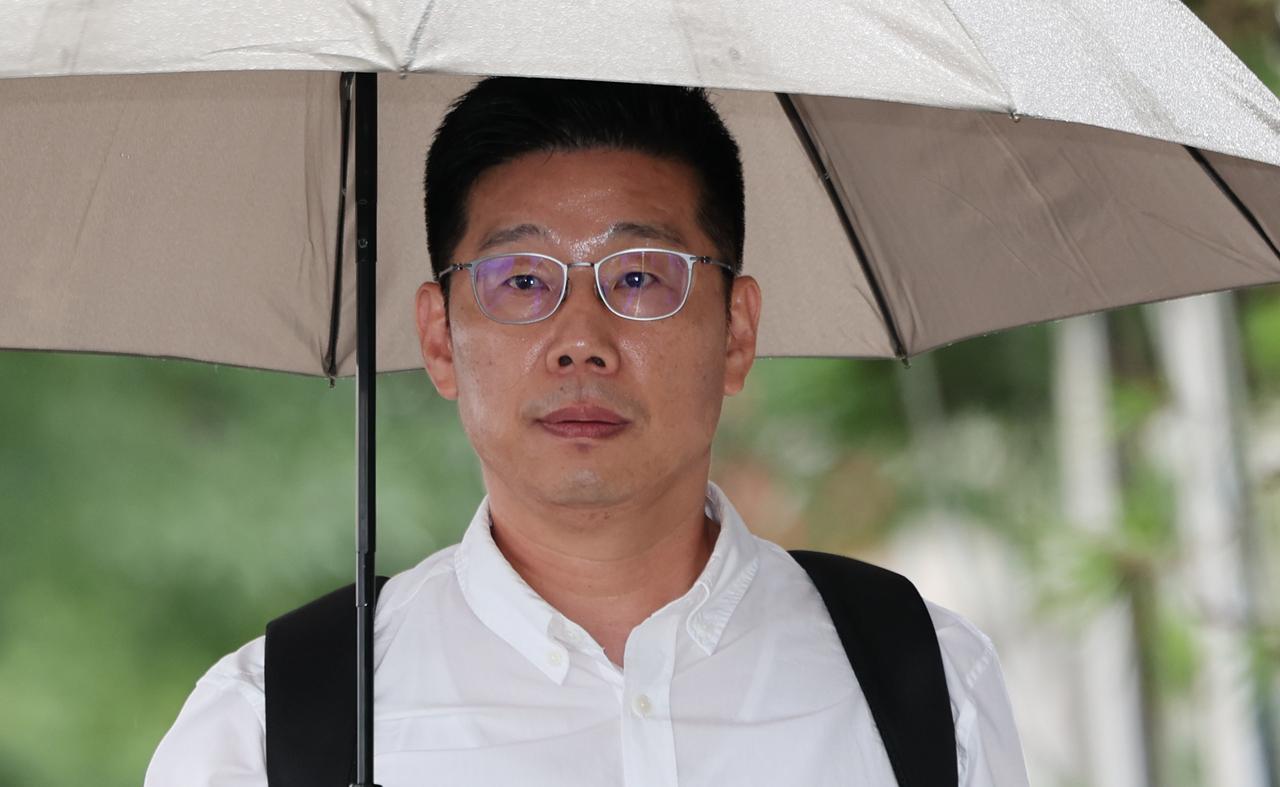
The second comprehensive special prosecutor's team — led by Special Prosecutor Kwon Chang-young and tasked with investigating remaining allegations from the three earlier special counsel probes into insurrection, Kim Keon Hee and the Marine Corps death — has indicted Col. Cho Sung-hyun, former commander of the Capital Defense Command's 1st Security Group, on charges of performing an important role in insurrection. The indictment states that Cho ordered his subordinate units to cooperate with the Army Special Warfare Command during the Dec. 3, 2024, emergency martial law. Cho's side maintains the order was intended solely to assess the situation on the ground.
According to the indictment obtained Wednesday, the special prosecutor's team concluded that Cho deployed troops under the 1st Security Group to control all access to the National Assembly and received orders to drag out lawmakers, and that he was aware of and shared the goal of subverting the constitutional order by dismantling the functions of the constitution and the law.
The indictment states that at around 9:48 a.m. on Dec. 3, Cho received an order from then-Capital Defense Commander Lt. Gen. Lee Jin-woo to convene the Suhoshin TF and report to headquarters. At around 10:05 p.m., he received further instructions from Lee — to tell subordinate officers it was an unannounced Joint Chiefs of Staff exercise if they seemed flustered, and to carry blank rounds.
At around 10:24 p.m., Cho watched President Yoon Suk Yeol's emergency address on his mobile phone. At around 10:45 p.m., Lee ordered him: "There is a situation at the National Assembly and we need to go there — report when ready to deploy." The special prosecutor's team concluded from this that Cho was aware he would be carrying out a mission at the National Assembly following the declaration of martial law.
The indictment also states that Cho ordered his subordinate units to cooperate with the Special Warfare Command. Between approximately 12:48 a.m. and 1:18 a.m. on Dec. 4, the commander of the 3rd Area Unit of the 35th Special Mission Battalion reported that follow-on troops from the 707th Special Mission Group — part of the Special Warfare Command — had landed by helicopter inside the National Assembly grounds and were climbing the stairs at the rear gate. Cho told him: "If you can cooperate with the Special Warfare Command, do so."
According to the indictment, when the 3rd Area Unit commander reported that members of the 707th Special Mission Battalion standing outside the rear entrance did not know their exact mission or the situation, Cho told him to "stay somewhere safe." The special prosecutor's team concluded that Cho then issued the cooperation order after the commander reported that the follow-on troops were ascending the stairs on both sides of the rear gate.
Cho's side said the order was "an instruction to assess the situation on the ground," issued as a field commander gathering information, and that it was not a blanket directive to cooperate but rather meant that cooperation should follow communication to understand the situation — and therefore cannot be characterized as participation in insurrection or a riot.
The indictment also states that when Lee ordered Cho at around 12:42 a.m. to "go in there now, drag them out — drag the lawmakers outside," Cho responded by suggesting that "this is not a role we can perform, and we are limited even acting alone — please coordinate with the Special Warfare commander."
The special prosecutor's team concluded that Lee then ordered Cho to support Special Warfare Command personnel from outside by clearing a path once they brought the lawmakers out, since those personnel had already entered the building. Cho is alleged to have passed this on to the 3rd Area Unit commander, telling him to "help create a passage through the civilians so that the lawmakers and the Special Warfare troops can exit safely through the gate" — a charge the indictment describes as ordering support for passage-clearing operations.
The indictment also alleges that Cho ordered follow-on troops to infiltrate the National Assembly. The special prosecutor's team concluded that 51 troops, including the 2nd Area Unit commander, departed the Capital Defense Command at around 12:48 a.m. and arrived at the northern end of Seogang Bridge at around 1:04 a.m. Cho is alleged to have ordered them: "It looks like we need to move to the National Assembly for now — the 35th Special Mission Battalion is inside, so try to make contact."
After the National Assembly passed the motion to lift martial law at around 1:20 a.m., Cho relayed an instruction to "not enter the National Assembly — park anywhere nearby and stand by." When the 2nd Area Unit commander reported back after returning to base at around 2:20 a.m., Cho told him to check equipment and remain in vehicles until further orders.
Cho's side said he first recognized the unlawfulness of the situation when Lee issued the order to "drag out the lawmakers" at around 12:42 a.m. on Dec. 4. His defense also maintains that he intended from the outset that the 2nd Area Unit would not cross Seogang Bridge, and that when he learned — due to a miscommunication — that the unit had already crossed, he ordered it to turn back.
"All actions taken by the suspect after the moment he recognized the unlawful situation should be evaluated not as participation in insurrection but as acts of resistance," Cho's side said.
The special prosecutor's team overturned an earlier decision by the first insurrection special prosecutor — led by Special Prosecutor Cho Eun-seok — not to bring charges, and indicted Col. Cho without detention on charges of performing an important role in insurrection. Cho had been widely known for ordering his subordinate units not to cross Seogang Bridge during the martial law — the so-called "Seogang Bridge turnaround" — and the Ministry of National Defense last year commended him for upholding constitutional values. The special prosecutor's team reached a different conclusion.
At a final briefing on investigation results held Monday, after completing six months of work, the special prosecutor's side said: "The claim that he said 'do not cross Seogang Bridge' has been exaggerated," adding that "he in fact issued a clear order to enter the National Assembly and drag people out."
bell@heraldcorp.com