Six achievements earn top 10 million won prize, including rural basic income pilot and ASF transmission probe
Onion wholesale price recovers from 440 won to 1,151 won per kilogram after record 102,000-ton supply intervention
Over 540 citizens took part in evaluation; four additional achievements earn 5 million won each
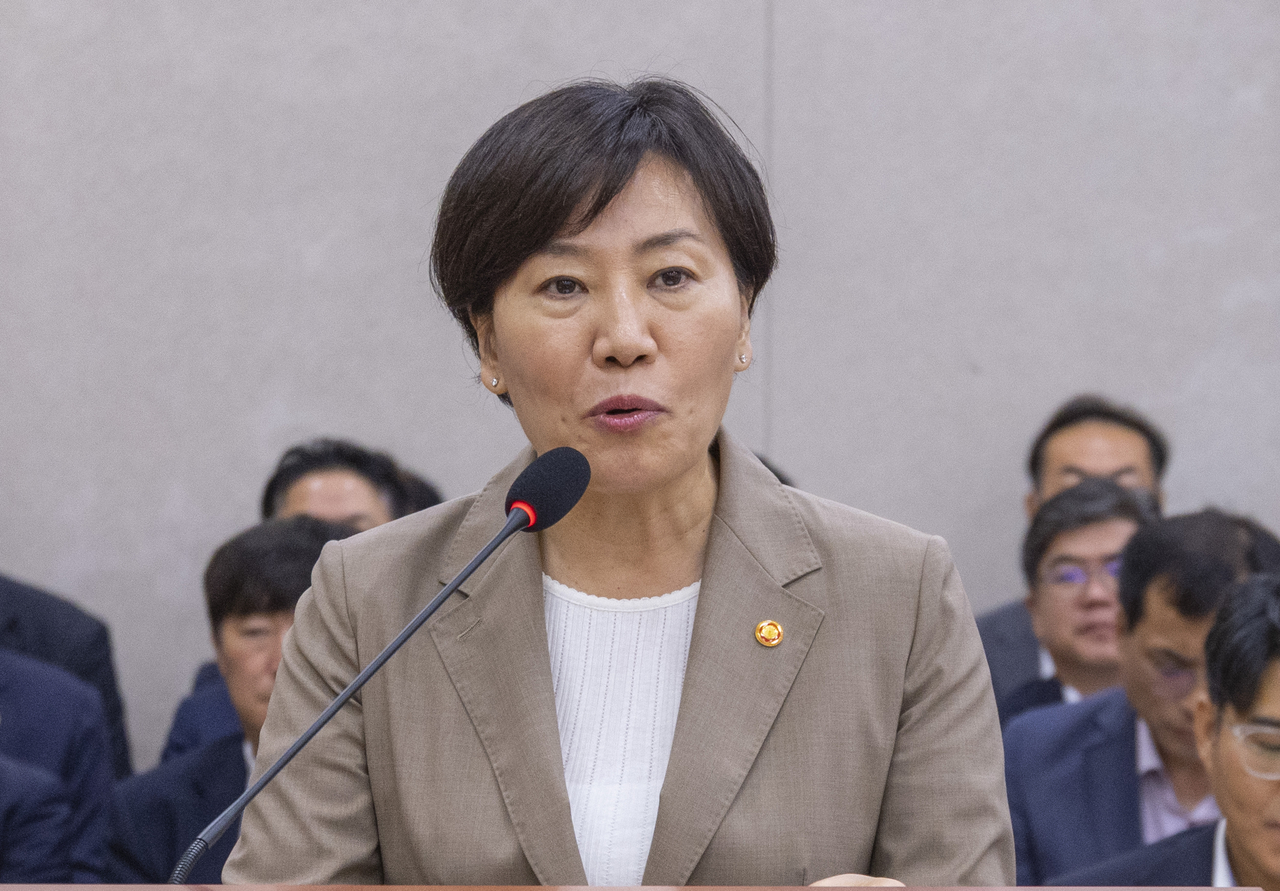
Civil servants at the Ministry of Agriculture, Food and Rural Affairs who delivered measurable policy results — including launching a rural basic income pilot, tracing the transmission route of African swine fever and stabilizing onion prices — have received bonuses of up to 10 million won ($7,230) per achievement. The ministry plans to expand its performance-based personnel and reward system, under which citizens directly evaluate policy outcomes and exceptional results earn outsized compensation.
The ministry announced Wednesday that it had carried out its "2026 Second Special Performance Awards," recognizing 10 achievements and distributing a total of 80 million won in prize money along with ministerial commendations to the civil servants involved.
The latest round was the second of its kind, following a first round in June. Recipients were selected through a multi-stage process that began with nominations from colleagues, the nominees themselves and the public, followed by expert review, a citizen evaluation panel, a public satisfaction survey and a merit review committee. More than 540 people participated in the online public satisfaction survey alone.
Six achievements were selected for the top prize of 10 million won each: the rural basic income pilot program, the identification of a new ASF transmission route, a response to agricultural urea supply disruptions caused by the Middle East war, the expansion of K-food exports through summit diplomacy, financial support for farm-level distribution organizations affected by the Homeplus crisis, and onion supply stabilization.
Kang Dong-yun, director of the Rural Income and Energy Policy Division, and colleagues were recognized for advancing the rural basic income pilot program, launched for the first time this year. The program distributes 150,000 won per month to local residents to stimulate spending within their communities. The population of areas covered by the pilot grew 4.7 percent — from 319,000 in September last year, before the program's selection, to 334,000 in May this year. The number of participating merchants also rose 13.7 percent from the start of the year.
The discovery of a new ASF transmission link also earned a 10 million won award. Kim Mi-seung, an official at the Animal and Plant Quarantine Agency, and colleagues launched an epidemiological investigation using whole-genome sequencing after 24 ASF outbreaks were confirmed across seven cities and provinces nationwide earlier this year.
The investigation identified a previously unknown infection and transmission chain running from slaughterhouse blood to blood plasma protein to compound feed to farms. Based on those findings, the government recalled and destroyed all potentially contaminated feed and established a permanent testing system for blood tanks at slaughterhouses. No further outbreaks occurred after those measures were put in place.
A successful effort to redirect agricultural urea imports during the Middle East conflict also made the list. Park Jae-young, an official in the Food Service Industry Division, and colleagues secured 106,000 tons of agricultural urea as of June 26 by shifting procurement to Southeast Asia and China while the Strait of Hormuz remained blocked. The government also provided 27.1 billion won in price subsidies and 500 billion won in raw-material purchase loans.
Using summit meetings as leverage to break through quarantine negotiation deadlocks also drew high marks. Lee Su-hyeon, head of the Quarantine Policy Division, and colleagues concluded a series of quarantine agreements — covering Hanwoo beef and pork with Singapore, persimmons with China, and processed meat products with Vietnam. After the deals were signed, South Korean beef and pork exports to Singapore reached $3 million, and as of June, Hanwoo and pork exports had risen 94 percent and 192 percent year-on-year, respectively.
Kim Myeong-gwan, an official in the Distribution Policy Division, and colleagues were also recognized for supporting farm-level distribution organizations that faced a cash crunch after failing to receive payment during the Homeplus crisis. The ministry extended their principal repayment by one year and allocated additional funds, providing 30 billion won in policy financing.
A supply management effort that reversed a price collapse in the onion market was likewise named a top achievement. Jang Seong-du, an official in the Horticultural Industry Division, and colleagues responded to a supply glut caused by favorable growing conditions this year by halting and delaying shipments and expanding government purchases and stockpiling — managing a record 102,000 tons of supply.
Parallel measures to boost consumption included discount support, direct-sales markets, buy-one-get-one promotions at food ingredient stores and export assistance. As a result, the wholesale price of onions climbed from a low of 440 won per kilogram on May 11 to 1,151 won on July 31, recovering to around the average for normal years.
Four achievements were selected for the 5 million won prize: an overhaul of the management system for military-contracted catering services, the creation of a wide-area investigation team to build a framework for blocking illegal imports, preventing shutdowns at tofu and soy milk factories amid a Middle East-linked raw material supply crisis, and the full-scale introduction of an income stabilization insurance program for farmers. Prize money is distributed on a tiered basis between primary and secondary contributors according to each person's level of contribution.
Going forward, the ministry plans to identify special achievements on a quarterly basis across its headquarters and affiliated agencies and hold regular award ceremonies. It also plans to conduct ad hoc awards for results that warrant immediate recognition.
"Civil servants who deliver outstanding results must be rewarded accordingly," Agriculture Minister Song Mi-ryung said. "We will continue to listen to the voices from the farming community and produce tangible outcomes that farmers and the public can feel."
adastra@heraldcorp.com