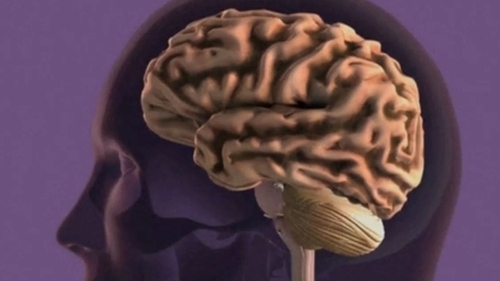
Graphene quantum dots shown to suppress abnormal protein clumping linked to ALS, raising hopes for treatment of intractable diseases
![Dr. Lee Young-ho conducts a related experiment. [Provided by KBSI]](https://wimg.heraldcorp.com/news/cms/2026/08/27/news-p.v1.20260827.2d53c2b459034e76858d836650fab50a_P1.jpeg)
The Korea Basic Science Institute (KBSI) announced Thursday that Dr. Lee Young-ho of its Protein Structure and Drug Mechanism Research Division has received the chairman's award at the National Research Council of Science and Technology's 2026 Outstanding Research Achievements of Government-funded Research Institutes, for his work on developing technology to control protein aggregation in intractable diseases.
Proteins in the human body must maintain their proper structure and stability to function normally. When that structure breaks down and proteins clump together abnormally — a process known as protein aggregation — cell function deteriorates, which can lead to the onset and progression of degenerative diseases such as Alzheimer's and ALS.
Going beyond conventional approaches that analyze individual proteins in isolation, Lee has investigated how aggregation behavior changes depending on protein-protein interactions and the intracellular environment, and has researched ways to artificially control that process.
In one key finding, Lee and collaborators in South Korea and abroad confirmed that graphene quantum dots (GQD) can suppress the abnormal aggregation of TDP-43, a major pathological protein in ALS. The result demonstrated the possibility of directly controlling disease-causing protein aggregation and was selected as a cover paper in the international journal ACS Nano.
Lee also produced results in Alzheimer's research. His team published findings in Nature Chemical Biology showing how the key pathological proteins tau and amyloid-beta interact with each other to alter aggregation and toxicity. A separate study, published in Translational Neurodegeneration, showed that protein aggregation across different diseases may be linked through a shared molecular mechanism.
Particularly notable was the discovery that intracellular PDIA6 protein assemblies represent a previously unknown organelle that helps proteins fold correctly and suppresses abnormal aggregation. That study was selected as a cover paper in Nature Cell Biology.
The significance of this body of research lies in reframing protein aggregation not as a passive byproduct of disease but as a dynamic process that can be modified and controlled depending on protein interactions and the cellular environment. The findings are expected to inform the development of treatment strategies for intractable diseases in which protein aggregation plays a central pathological role, including Alzheimer's, Parkinson's and ALS.
"This recognition motivates me to deepen our understanding of the principles and regulatory mechanisms of protein aggregation in disease, and to continue advancing the research," Lee said.
nbgkoo@heraldcorp.com