Three bills introduced in National Assembly to require hearings for National Investigation Headquarters chief
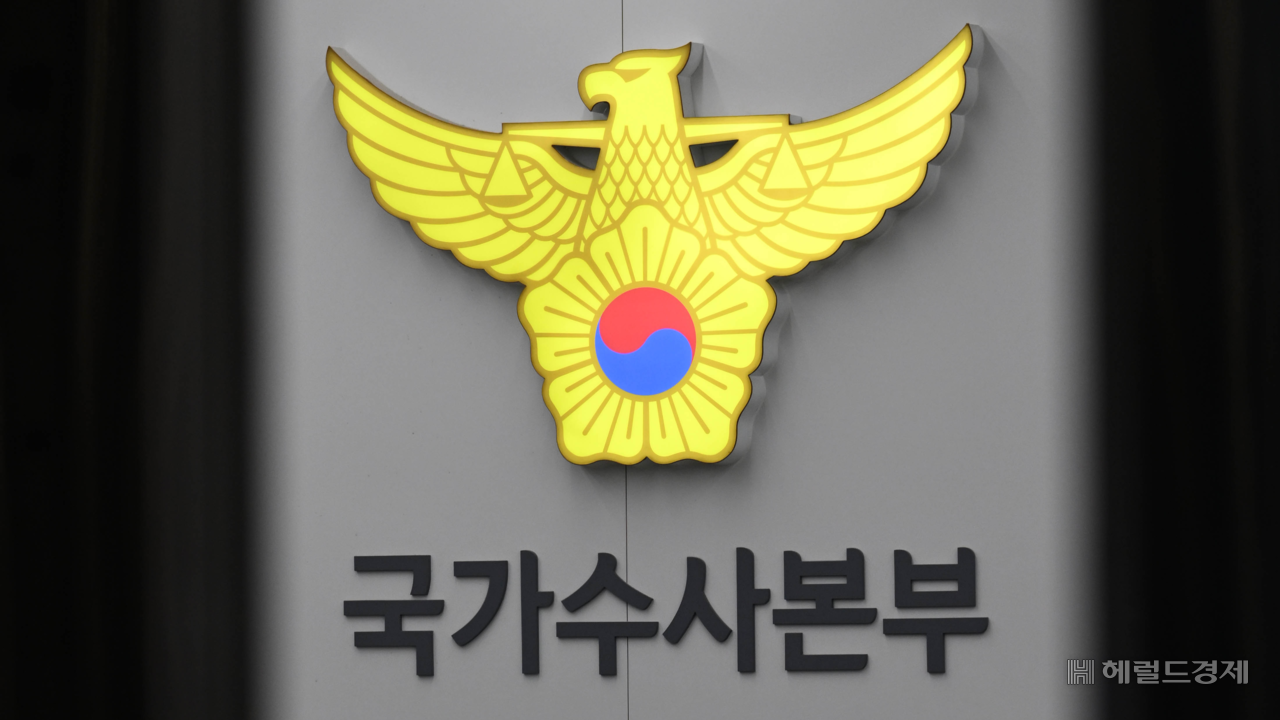
As reforms to the criminal justice system strip prosecutors of their investigative authority, calls are growing to impose stronger checks on police investigative powers. Legislation introduced in the National Assembly would require a confirmation hearing before the appointment of the chief of the National Investigation Headquarters, who commands and oversees some 40,000 investigative officers nationwide.
According to the National Assembly's bill information system, Rep. Lee Sang-sik of the Democratic Party of Korea, a member of the Interior and Safety Committee, introduced the "three bills to establish confirmation hearings for the National Investigation Headquarters chief" on Friday. The package consists of amendments to the Police Act, the National Assembly Act and the Confirmation Hearing Act.
The amendment to the Police Act would add a requirement for a National Assembly confirmation hearing to the existing provision — Article 16 — designating the headquarters chief as a senior superintendent general.
The amendment to the National Assembly Act would include the headquarters chief among the public office nominees subject to confirmation hearings by the relevant standing committee. The amendment to the Confirmation Hearing Act would add the position to the list of nominees for which the government must request a hearing from the National Assembly.
Public pressure mounts to rein in police
Under amendments to the Code of Criminal Procedure, investigative authority will be reorganized around three agencies: the police National Investigation Headquarters, the Serious Crimes Investigation Agency and the Corruption Investigation Office for High-ranking Officials. With the largest investigative workforce among the three, the headquarters chief's role carries growing weight.
The bills aim to raise the vetting standard for the position and strengthen democratic oversight.
Under the current appointment process, the national police commissioner recommends a candidate, the Interior and Safety minister formally proposes the appointment, and the president makes the final appointment through the prime minister. At present, only the national police commissioner — a vice-ministerial-level position — is subject to a National Assembly confirmation hearing.
The National Investigation Headquarters chief holds the rank of senior superintendent general, one step below the national police commissioner, equivalent to a Grade 1 official in the general civil service. The chiefs of the Serious Crimes Investigation Agency and the Corruption Investigation Office for High-ranking Officials are both at the vice-ministerial level.
This year, public pressure to check police power has grown following allegations that Gwangju police downplayed the investigation into the murder of a high school girl by Jang Yun-gi, and that Jeju police arbitrarily closed a missing-persons case. In the Jang Yun-gi botched-investigation case, which police are still probing, former National Investigation Headquarters chief Park Seong-ju has been booked as a suspect.
Last month, police reported to the National Assembly plans to establish a "police investigation human rights and inspection body" to oversee the National Investigation Headquarters. The proposed body, to be staffed primarily by civilian investigators, is intended to check various forms of misconduct within the police.
nyang@heraldcorp.com