A field expert who served as Gyeonggi Province's urban housing director
Rose through ranks as Namyangju deputy mayor and Land Ministry vice minister
Housing supply plans must now translate into actual ground-breakings
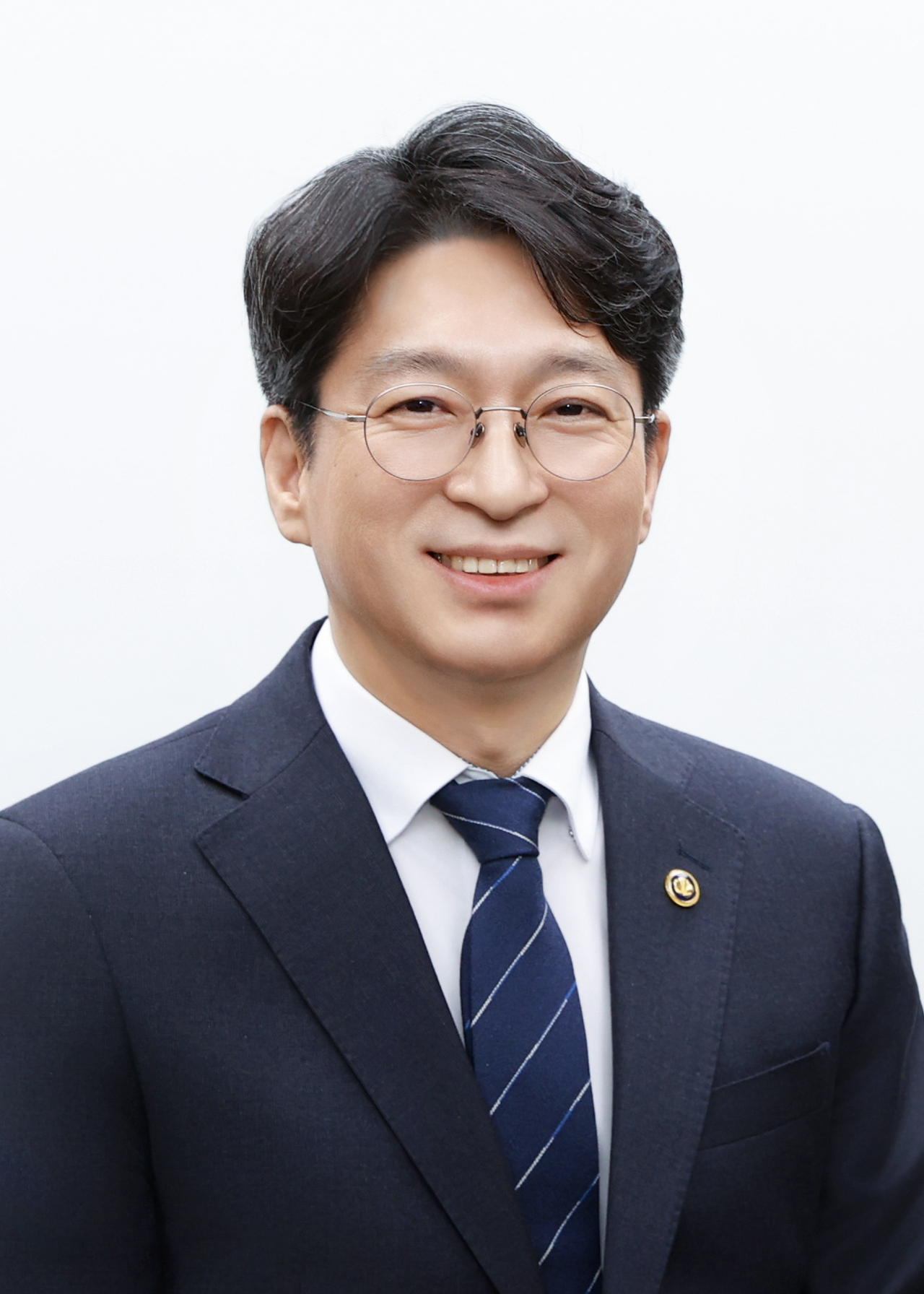
President Lee Jae Myung on Sunday nominated Hong Ji-seon, the current second vice minister of land, infrastructure and transport, as the new minister of land, infrastructure and transport. Hong has long enjoyed the president's confidence since Lee's tenure as Gyeonggi Province governor, and will now take on the weighty task of stabilizing the real estate market, including accelerating housing supply.
Presidential Chief of Staff Kang Hoon-sik announced the nomination at a Cheong Wa Dae briefing Sunday, describing Hong as "a field-oriented bureaucrat" who had held key housing posts throughout his career in Gyeonggi Province and served as the Land Ministry's second vice minister.
Kang added that Hong had overseen the entire housing supply process — from design to on-site execution — during his time as Gyeonggi Province's urban housing director, translating those efforts into tangible results for residential stability. "We expect him to swiftly supply sufficient housing where the public needs it," Kang said.
Hong was born in 1970 in Donghae, Gangwon Province. He graduated from Seongnam High School and earned a bachelor's degree in civil engineering from Hanyang University, later completing a master's degree in urban and regional planning at the University of Birmingham in the United Kingdom.
Hong entered public service in 1997 through the second local civil service examination, going on to serve in a range of related roles in Gyeonggi Province, including director of road policy, director general of construction, director general of railways, and director of urban housing. In January 2024, he moved to Namyangju as deputy mayor, overseeing city administration for roughly two years. He focused on field-level work including road construction and housing supply projects such as the third-generation new towns and a transit hub for the Byeollae Line extension.
He was tapped as the Land Ministry's second vice minister in December last year — an unusual appointment, given that the post had typically been filled by career ministry officials rather than someone who had spent years building hands-on experience in local government.
Hong's most pressing task is expected to be turning the government's series of housing supply measures — announced Sept. 7 last year, Jan. 29 and Aug. 13 this year — into actual ground-breakings. Through the Aug. 13 package, the Land Ministry pledged to add more than 230,000 housing units in the Greater Seoul area, and said it would announce new residential sites for 73,000 homes by October.
Hong will also inherit the ongoing negotiations with Seoul Mayor Oh Se-hoon that outgoing Minister Kim Yun-deok had been conducting. The Land Ministry recently began a full review of the Tancheon Water Regeneration Center site, which Seoul proposed as an alternative location for Yongsan Park. The ministry plans to examine not only the supply volume — including 13,000 units — but also how quickly housing there could be delivered.
Beyond housing, Hong faces a broad agenda that includes a second round of public institution relocations, expansion of the metropolitan transportation network, construction of Gadeokdo New Airport, and the commercialization of self-driving cars.
hss@heraldcorp.com