Allocation rises 820.5 billion won from prior year, with focus on semiconductors and AI
The Jeonnam-Gwangju Integrated Special City announced Tuesday that it has secured 13.9 trillion won ($9.46 billion) in national government funding in the 2027 budget proposal, with allocations covering AI, semiconductors, energy and other future growth industries in the region.
The figure represents an increase of 820.5 billion won, or 6.3 percent, from the 2026 government budget proposal — covering both Gwangju and South Jeolla Province — secured last August, which stood at 13.08 trillion won.
By sector, advanced future industries including AI data centers, semiconductors and physical AI received 1.06 trillion won.
New projects account for 132 billion won of that total.
New project allocations include 66.8 billion won to build an AI data center testbed, 23.1 billion won for a Honam-region science and technology innovation support project, 4.5 billion won for a humanoid robot-based manufacturing industry transformation initiative, and 5 billion won for AI-based hydrogen charging station safety management technology development.
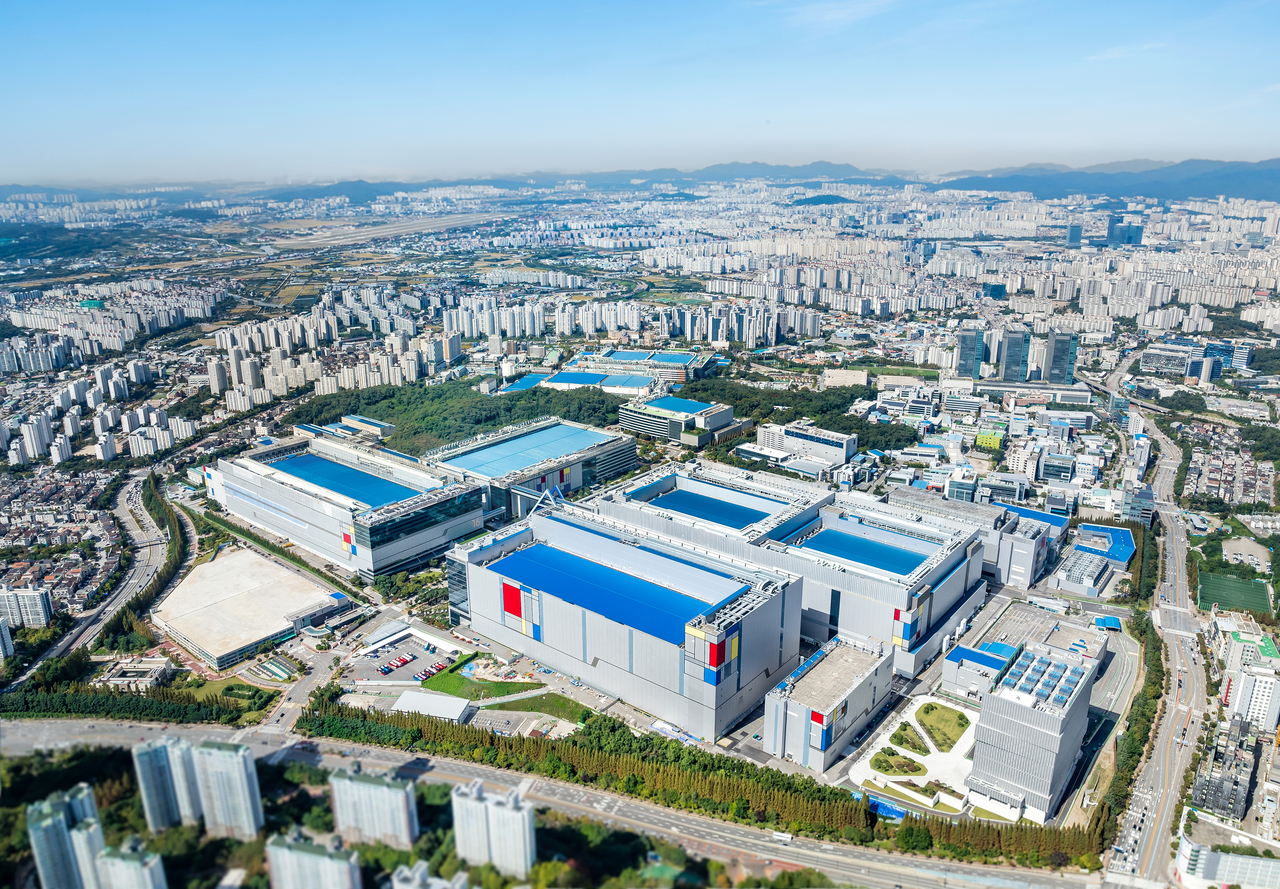
Ongoing projects include 115.1 billion won for the development of an AX demonstration valley, 6 billion won to establish a semiconductor advanced packaging demonstration center, and 1.97 billion won to set up a national NPU-dedicated computing center in Gwangju.
The petrochemical, steel and shipbuilding industries received a combined 131.2 billion won, covering 36.8 billion won for K-chemical industry transformation and innovation technology development, 3 billion won for an AI-based chemical industrial complex safety management system, 2 billion won for AI and robot-based large steel structure manufacturing automation technology, and 1.8 billion won for a steel and metals industry AI transformation support center.
The agriculture, fisheries and livestock sector received a total of 2.47 trillion won to lay the groundwork for transitioning to high-value-added industries by combining processing, distribution and export activities with AI technology.
Social overhead capital projects received 1.72 trillion won, covering 141.3 billion won for Phase 2 of the Honam high-speed railway, 111 billion won for the National Route 77 connection between Hwatae and Baengya in Yeosu, 89.9 billion won to electrify the Gyeongjeon Line between Gwangju Songjeong and Suncheon, 48.6 billion won for Gwangju Urban Railway Line 2, and 32 billion won to expand the Honam Expressway between the Dong-Gwangju and Gwangsan interchanges.
Culture and tourism received 453.2 billion won, including 400 million won for a K-culture content tech town, 1.2 billion won for a half-price travel support program for island areas, 1 billion won for a historic cultural zone promotion project, 9.9 billion won for tidal flat World Natural Heritage conservation, and 600 million won for a modern historical and cultural hub belt in the Yangnim district linked to the Asia Culture Center.
Separately from the government budget proposal, the integrated special city secured a total of 5 trillion won in fiscal incentives, comprising 1.5 trillion won in a semiconductor special account and 3.5 trillion won in an integrated support fund for Jeonnam-Gwangju.
The city aims to secure an additional 500 billion won or more on top of the government proposal during the National Assembly budget review process, bringing the final total to at least 14 trillion won.
The strategy calls for securing more than 350 billion won from three major megaprojects and pending SOC projects, and more than 150 billion won from regional balanced development, public welfare and safety initiatives.
To that end, the city plans to hold a budget policy consultation with the Democratic Party of Korea on Sept. 11, and to meet with ruling and opposition party leadership, the chair and floor leaders of the National Assembly's budget committee, and local Assembly members and budget committee members through November.
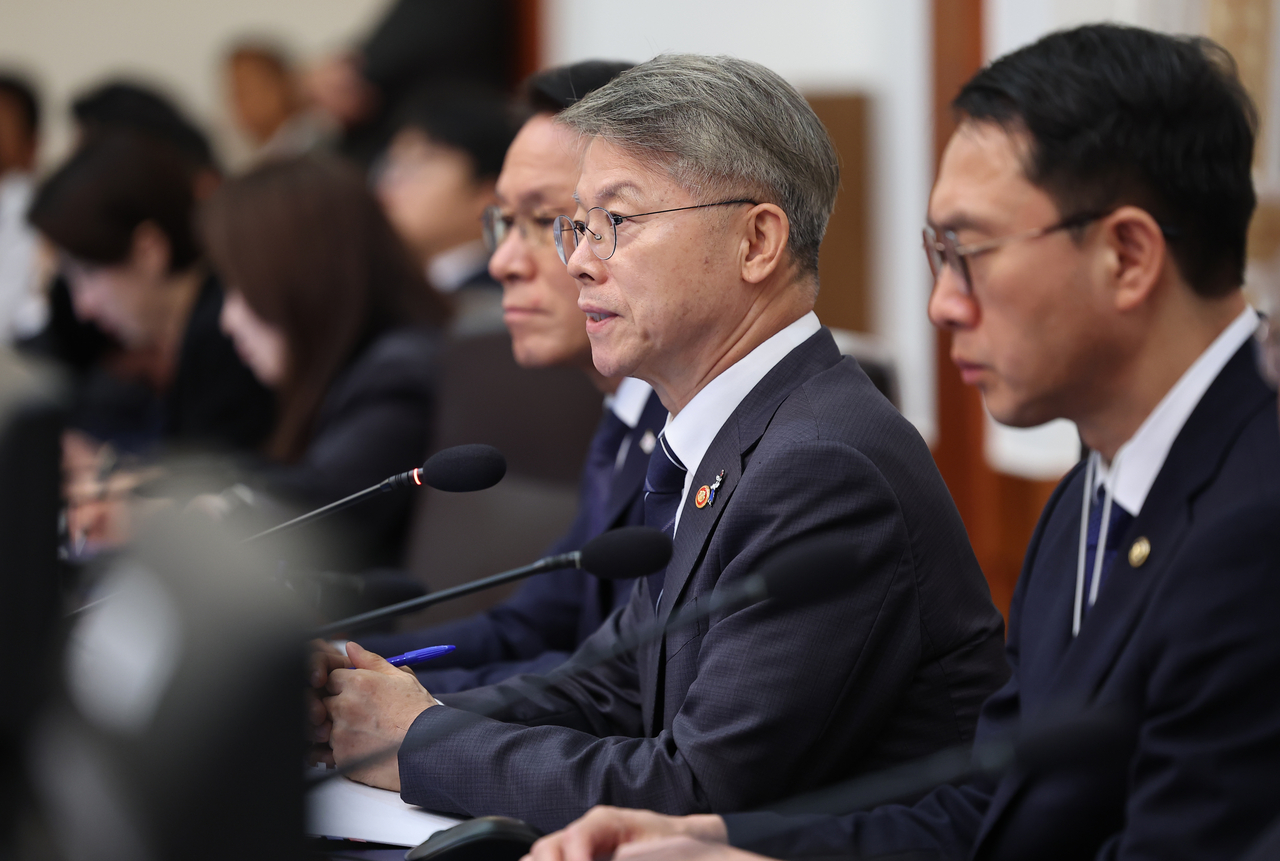
"This is meaningful as the first national budget outcome that South Jeolla and Gwangju — reunited after 40 years — prepared and worked toward together for the first time," Mayor Min Hyeong-bae said. "We will connect South Jeolla's energy, agriculture, fisheries and tourism resources with Gwangju's AI, future vehicle and cultural industry capabilities, so that the power of integration translates into investment, businesses and jobs."
sij@heraldcorp.com

![Popular mukbang influencer, 24, dies suddenly: 'ate 70 eggs at a time' [China Pick]](https://wimg.heraldcorp.com/news/cms/2026/09/08/news-p.v1.20260908.581b7189494849c3a9f1ade47eb6596d_R.jpg)