
The district targets 100 unreasonable reconstruction and redevelopment regulations under the ninth elected-term mandate, focusing on field-driven deregulation. Streamlined plan-change procedures aim to cut administrative steps for minor revisions and shorten project timelines. A new resident-notification system would require authorities to directly inform property owners about consent collection at the start of projects.
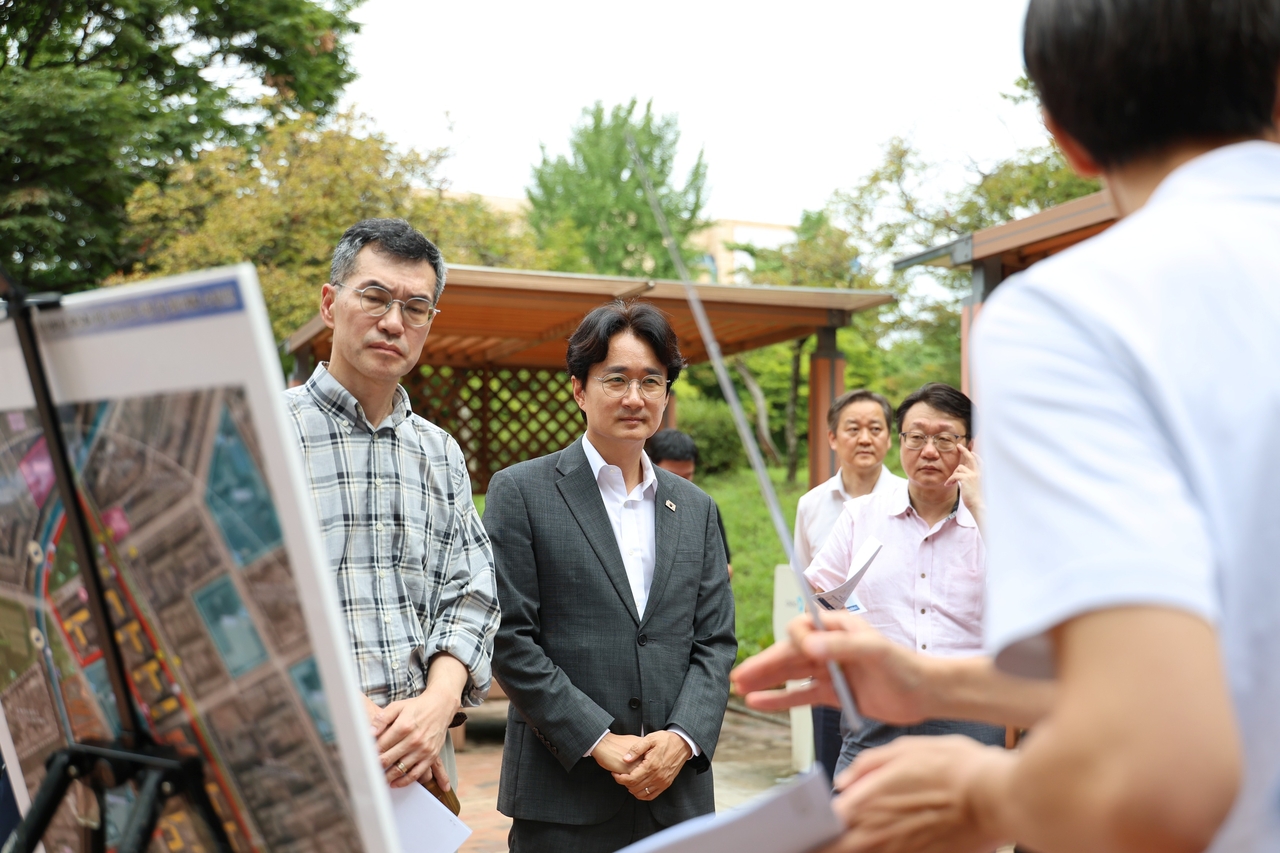
Nowon-gu in Seoul is set to identify regulatory obstacles that residents face at reconstruction and redevelopment project sites and push for reforms targeting 100 rules that slow those projects.
The district said it will pursue a program called "Reconstruction and Redevelopment Deregulation 100," which aims to identify and reform 100 unreasonable regulations related to reconstruction and redevelopment during the ninth elected term.
As its first initiative, the district submitted proposals to the Seoul Metropolitan Government on Monday covering three areas: streamlining procedures for changing maintenance plans, creating a new resident-notification system for property owners whose addresses are unknown, and expanding the scope of authority transferred to autonomous districts for designating maintenance zones.
The deregulation program is a project to identify and reform unreasonable regulations and systems that recur at maintenance project sites. The district plans to gather tasks based on feedback from residents and field workers, swiftly address issues it can resolve on its own, and actively petition the Seoul Metropolitan Government and the central government on matters requiring legislative or systemic changes.
The centerpiece of the first round of reforms is streamlining the procedure for changing maintenance plans. Current law lists only a limited set of "minor changes," meaning that even trivial adjustments made during the process of securing project viability or refining architectural designs — if not explicitly covered by those categories — still require the full cycle of inter-agency consultations, resident briefings, public inspections and council hearings. This has extended project timelines and generated additional costs that ultimately fall on association members.
In response, the district petitioned for an amendment to the Act on the Maintenance and Improvement of Urban Areas and Dwelling Conditions for Residents. The amendment would clearly define in law only "significant changes" — such as altering a maintenance zone's area by 20 percent or more — as requiring the full procedural cycle, while exempting all other changes from unnecessary administrative steps. If adopted, the reform is expected to reduce the administrative burden from frequent plan revisions and help shorten overall project timelines.
The proposals also address a persistent difficulty residents face early in projects: collecting consent forms. Requesting or proposing a maintenance plan requires the consent of a set proportion of land and building owners, but at many sites the process has stalled because owners who have not updated their registered addresses — so-called address-unknown owners — can account for more than 40 percent of the total. The district petitioned for a new resident-notification system under which administrative authorities would verify the addresses of land and building owners and directly notify them that consent is being collected.
On the central government's plan to transfer authority over maintenance-zone designation to autonomous districts, the district expressed support while also proposing supplementary measures to strengthen its practical effect. Transferring the authority would allow autonomous districts to lead the process from zone designation through integrated review, clearing administrative bottlenecks — but the district said the currently discussed threshold of "fewer than 500 units" would produce only a marginal deregulation effect in practice. It therefore petitioned to raise the threshold from 500 to 1,000 units to extend the practical benefits to a wider range of project sites.
The district also submitted additional reform requests to prevent project delays caused by unnecessary regulations, covering: allowing exceptional extensions to the validity period of traffic-impact assessment approvals (currently five years), introducing online general meetings and electronic voting at the promotion committee stage, and easing the requirements for electing a vice chairman of a reconstruction association.
"Reconstruction and redevelopment directly affect residents' lives and assets, so projects must not be delayed by unnecessary regulations and administrative procedures," Nowon-gu District Mayor Seo Jun-o said. "I will listen directly to residents' voices in the field and identify 100 deregulation tasks to address during the ninth elected term." He added that the district would combine the central government's and Seoul Metropolitan Government's systemic reforms with Nowon-gu's swift administrative support to accelerate reconstruction and redevelopment projects and deliver changes that residents can feel.
seouldream01@heraldcorp.com





