Cases involving officers' spouses, lineal relatives and siblings must be transferred to a different police station
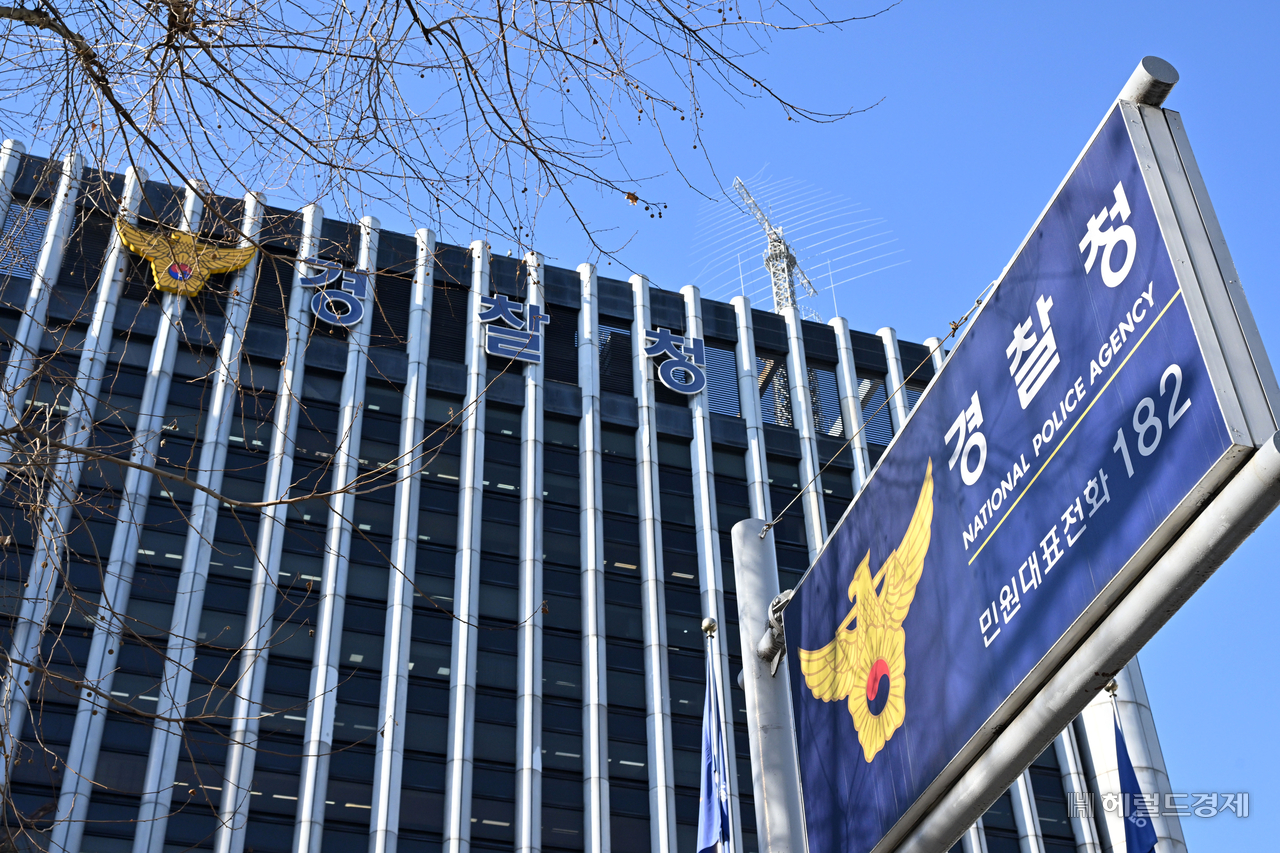
South Korean police will introduce a conflict-of-interest recusal system barring officers from directly investigating cases involving their own family members.
The Korean National Police Agency announced Tuesday that it would begin enforcing the new system, under which cases involving an officer's spouse, lineal relatives or siblings must be transferred to a different police station from the one where the officer is assigned.
The agency accepted a recommendation from the Police Investigation Reform Committee to expand the scope of the system beyond spouses and lineal relatives to include siblings, in order to strengthen its effectiveness.
Under the new rules, investigators must file a recusal request for any case involving a family member of an officer who is currently assigned to — or has worked at within the past three years — the station handling the investigation. Cases subject to a recusal request will be transferred, under the direction of the provincial or metropolitan police agency, to another police station within the same court jurisdiction.
However, exceptions apply when maintaining investigative continuity is necessary to protect victims, or when a suspect has been detained following an emergency or flagrant-offender arrest. In such cases, the investigation may continue at the original station with approval from the head of the provincial or metropolitan police agency, and the appropriateness of case handling and the need for transfer must be reviewed monthly.
The new system was prompted by allegations that surfaced in May, when the father of suspect Jang Yun-gi, 23 — an active-duty senior police official — and members of the police investigation team were accused of destroying evidence and conducting a shoddy investigation into the murder of a high school girl in Gwangju.
arin@heraldcorp.com