Gongsu-ri, Sangmuryong 2-ri chosen for Yanggu-gun's village festival support project
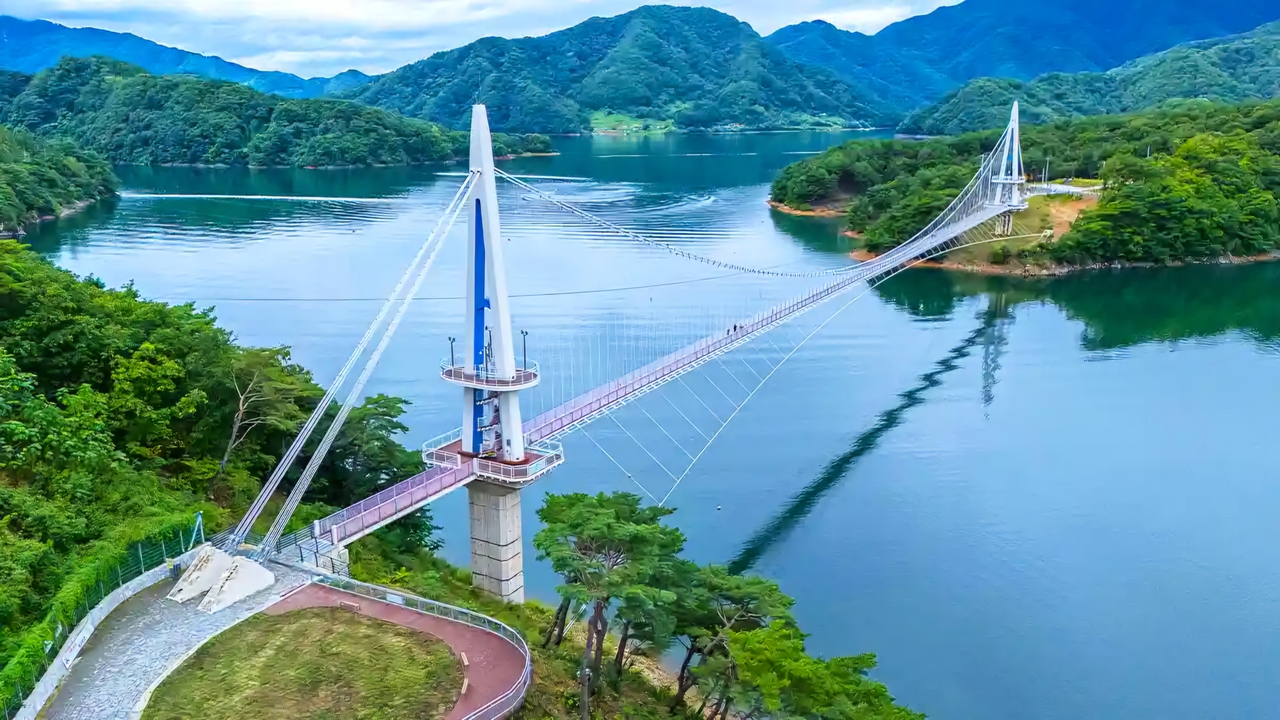
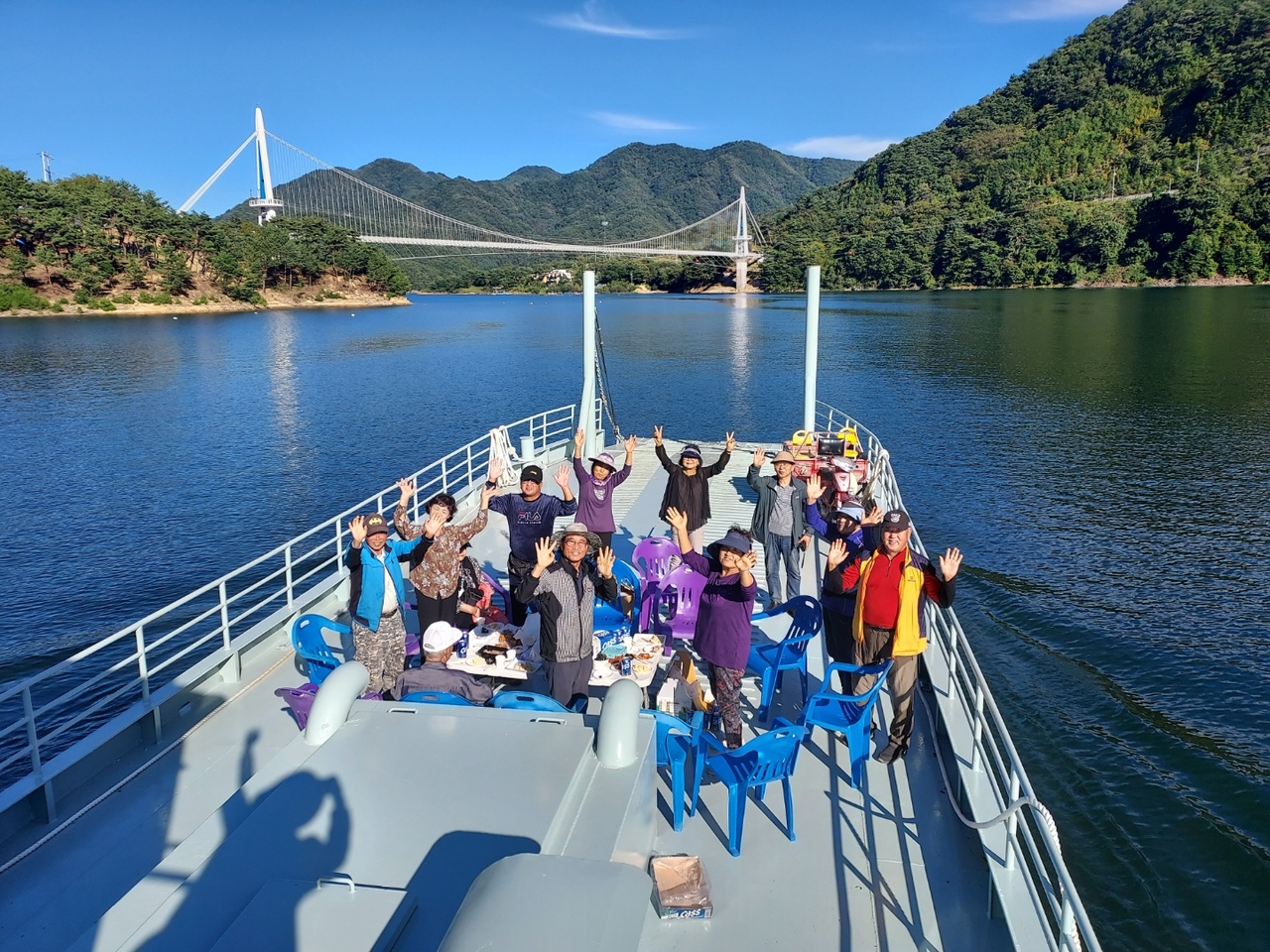
Sangmuryong 2-ri, a village on the western edge of Lake Paro in Yanggu-gun, saw much of its land submerged after the Hwacheon Dam was built. In the village's Seoho area, residents could once reach the outside world only by small motorboat.
The Sangmuryong suspension bridge, built in 2022, made it possible to walk across the lake to the other side. After completing safety checks, the bridge reopened July 14, and the village has recently regained a fresh sense of energy.
The village will host the Dancing Dragon Festival from Oct. 3-4.
Using the suspension bridge and other local assets, the festival will feature sales of local agricultural specialties, food and hands-on programs, bringing residents and tourists together.
Yanggu-gun selected two villages, Sangmuryong 2-ri and Gongsu-ri, for its 2026 village festival support project. Residents of both villages are organizing resident-led festivals that draw on their villages' distinct characteristics and resources.
The village festival support project was created to help fund small-scale local festivals planned and run directly by residents, with the aim of preserving each village's culture and traditions, strengthening community spirit, and using distinctive content to attract tourists and boost the local economy.

Sangmuryong, the westernmost remote village in Yanggu-gun, takes its name from a phrase meaning "the lake where dragons once danced." The village once had 200 households and two schools — the Seoho and Doil branch schools of Yanggu Elementary School — but most residents left after the dam was built. Today, about 40 households, made up of longtime residents and people who have returned to rural life, still call Sangmuryong home.
The festival will be held in Sangmuryong 2-ri, also known as Sangmuryong-ri or Seoho village, the community north of the Sangmuryong suspension bridge. The bridge, one of Yanggu's nine scenic wonders, has been gaining word of mouth among the public in recent years.
For 80 years, the village was cut off by land from the outside world after the Hwacheon Dam was built at the northernmost point of the North Han River. This turned it into an island-like village surrounded by land, accessible only by residents' own boats. In 2022, however, the Sangmuryong suspension bridge — long awaited by residents and built for both tourism and daily use — revealed the village's hidden charm to the wider world.
Since then, residents have not stopped at simply being "connected" to the outside world — they have worked hard to attract tourists from both home and abroad.
Residents began spreading the word that this small village is home to a wealth of tourist attractions. The Sangmuryong suspension bridge, the Peace Trail and the site of former President Syngman Rhee's retreat anchor the historical sights. A memorial house dedicated to "Dosi Eobu" ("Urban Fisherman," a TV fishing show) sits alongside the Seocheon fishing spot — nicknamed "half water, half fish" by angling enthusiasts — and a smelt fishing spot for anglers. Rounding out the offerings is a water leisure facility near Yanggu's "Navel of Korea" landmark.
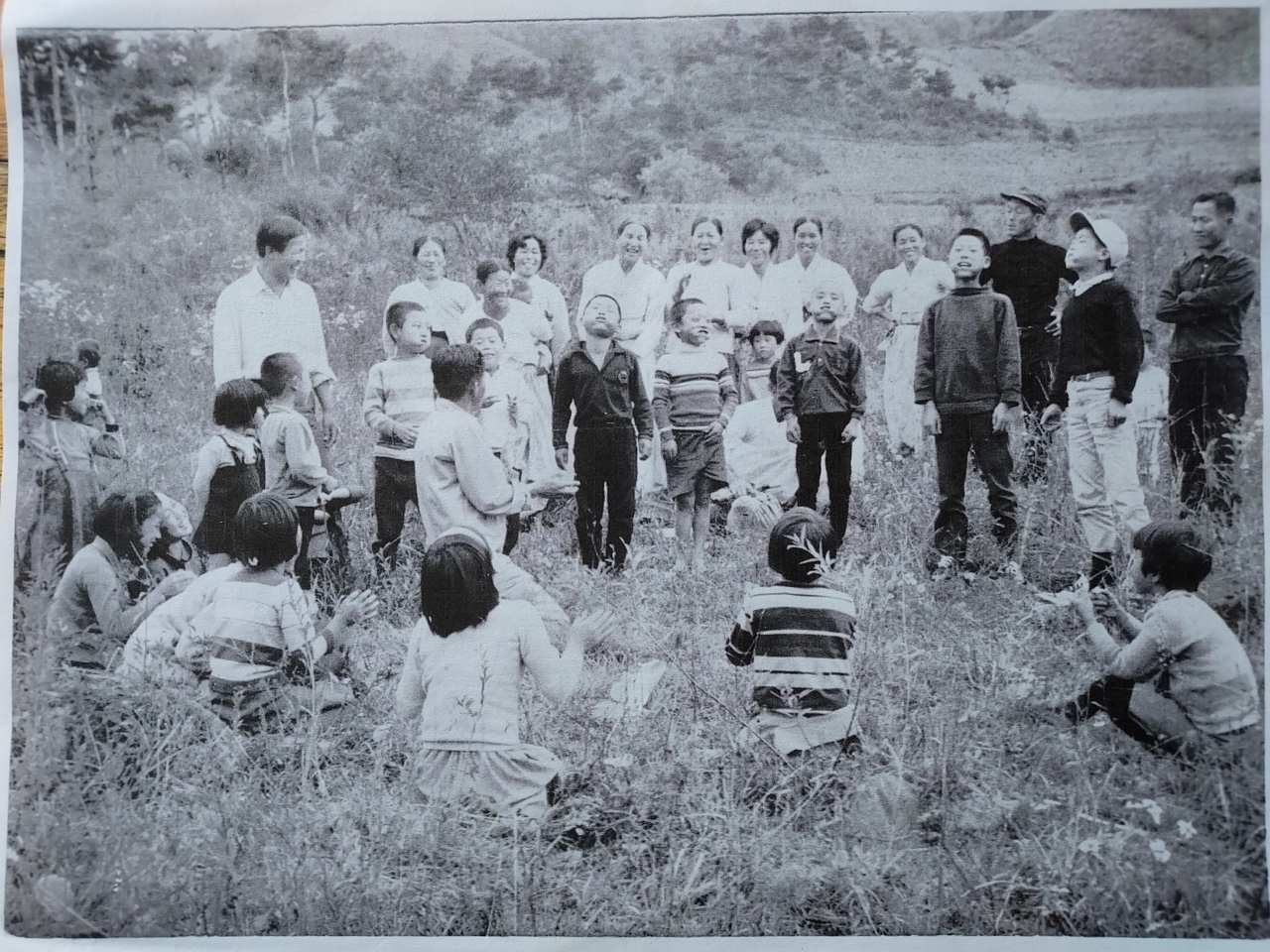
This festival offers all citizens a chance to experience the quiet, pristine charm of a remote village and the essence of Yanggu's culture and arts. It also features humanities programming that reflects the sorrows of residents displaced by the dam's flooding, along with their hopes for a new revival.
The opening ceremony will feature a Dancing Dragon performance, a progress report on the village's history and transformation, and a gender-equality performance. Also on the program are a ukulele performance by a Yanggu-gun team, a poetry reading themed around Sangmuryong, and nostalgic accordion busking. A Seoul-based rock band that includes a member from Yanggu will perform. This will be followed by a pledge session in which residents reflect on how hardship only deepened their love for their hometown.
During the festival, visitors can try a dart-throwing lucky draw, sign up for individual talent shows, and take part in a singing contest. Exhibitions will showcase poems written by Sangmuryong 2-ri residents and old photographs in a show titled "Memories of Seoho." The event will also include a special exhibition and sale of local agricultural and forest products. Food offerings round out the event, including the Sangmuryong Cafe, a lakeside snack bar, an outdoor dining experience run by the Yanggu-eup Saemaul Association, and other tastes of remote-village life.
Visitors are likely to be moved as they witness the long-hidden passion of these once-secluded residents come vividly to life.

The Gongsu-ri Village Council is preparing the Gongsu-ri Village Tavern Grandma Festival for October. Themed around traditional taverns, the festival will offer hands-on experiences, food and programs for residents and visitors to enjoy together, aiming to strengthen unity among residents and showcase Gongsu-ri's own warm village culture to outside tourists.
The plans call for tidying up the area around the festival grounds, running food stalls, resident participation programs and various events, with residents themselves directly involved in preparing and running the festival.
Park Hyun-jung, director of Yanggu-gun's Tourism and Culture Division, said, "It is meaningful that village residents are creating these festivals themselves, using their own local characteristics and resources." She added, "We will actively support both villages from the planning stage so that their festivals can become occasions for resident unity as well as new tourism content."
abc@heraldcorp.com