NHIS chief holds first press briefing since taking office
'We will overhaul health insurance premium system based on income'
'We will cut unnecessary spending and strengthen necessary coverage'

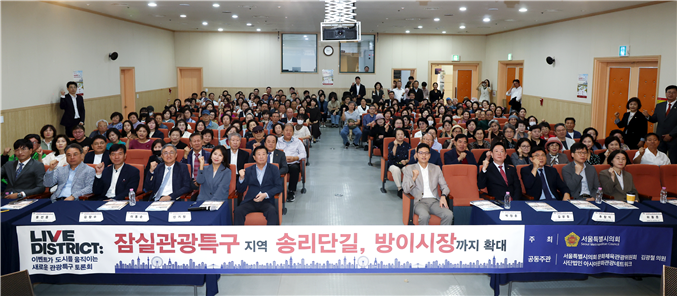
National Health Insurance Service Chairman Kang Cheong-hee said Tuesday that the service will innovate through an AI-based health welfare platform.
Speaking at his first press briefing in Seoul since taking office, Kang said, "The service must connect its vast assets of big data and system operation experience with AI and digital technology to more accurately provide medical care services to individual citizens."
He added that the health welfare platform would link health checkups and chronic disease management around local communities, providing necessary services at the necessary time. "People will be able to stay connected with the service from the moment they fall ill until the time they need care," he said.
"People should receive treatment when they are sick and be able to manage their health as they need care with age," Kang said. "To this end, we will connect and redesign the integrated care under health insurance and long-term care insurance, rather than treating them as separate systems, and develop them beyond treatment-centered coverage into prevention, health management and lifecycle-based support," he said.
The government plans to overhaul the health insurance premium assessment system, amid concerns that the current revenue structure cannot sustain medical spending.
"We are preparing a plan to overhaul the assessment system to be income-centered," Kang said. "The reform plan has not yet won public consent, but the important thing is that we must carry out the overhaul as soon as possible."
He added, "Since health insurance was introduced, premium collection has not advanced significantly, so we plan to assess income more precisely and properly address the shortfall."
On whether the legal ceiling on the health insurance premium rate, currently 8 percent, needs to be revised, Kang said, "At this stage, we are not considering raising the premium rate above the ceiling." He explained, "Raising the premium rate increases the burden on the public, so we will focus on cutting unnecessary spending while increasing funding where it is needed."
To strengthen fiscal soundness for sustainable health insurance, Kang said the service will review all of its projects from scratch, examining the cost-effectiveness of fiscal spending.
"We will prioritize projects based on whether they lead to outcomes the public can feel," Kang said. "Through selective focus, we will cut unnecessary spending while strengthening the coverage the public truly needs."
Kang stressed that the service must prepare for the next 50 years, as the environment surrounding health insurance has changed due to the low birth rate, aging population, regional gaps in medical access and growing demand for care.
"Care is not a problem for future generations — it is our problem," he said. "We must combine medical care and caregiving and use data to provide customized care so that people can continue receiving services where they live."
thlee@heraldcorp.com