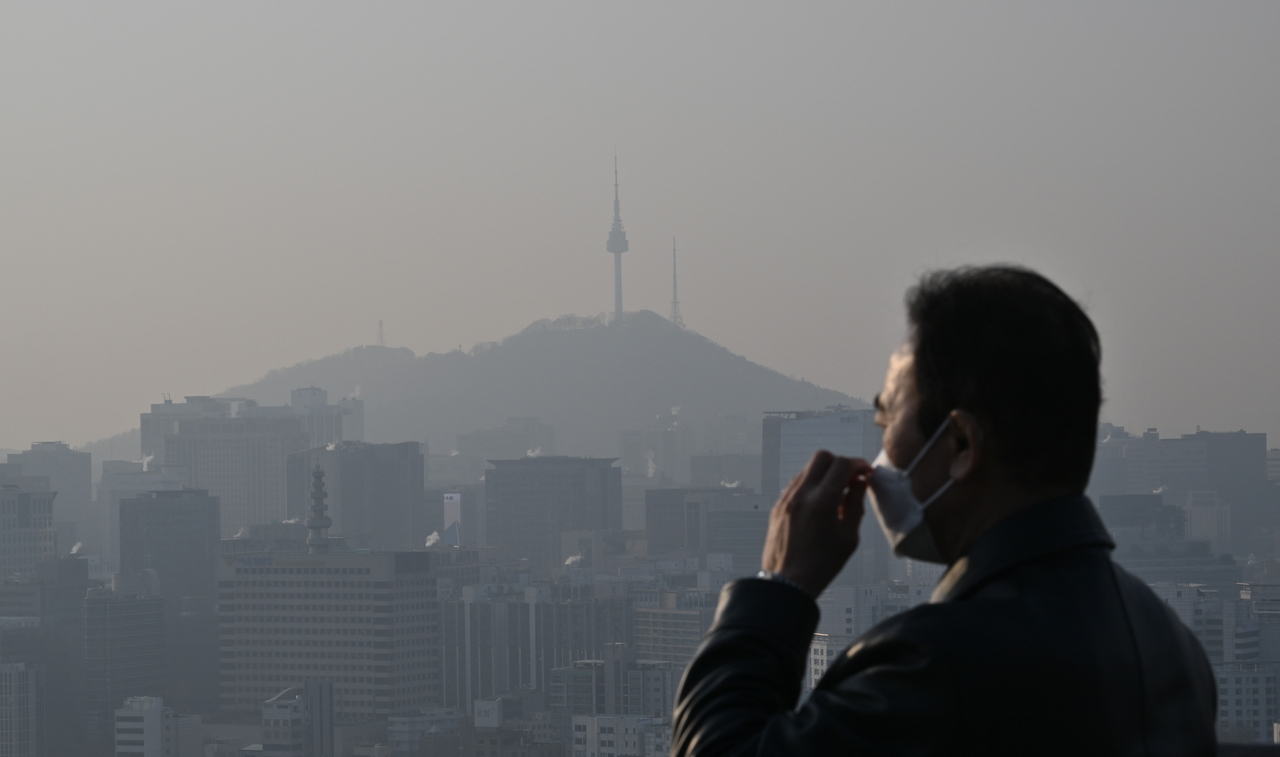
"Fine dust levels look fine on Tuesday."
Checking the fine dust reading before heading out has become second nature. A high concentration means grabbing a mask; a low one brings a sense of relief.
The problem is that the number does not tell the whole story. A category of so-called "high-risk" fine dust is on the rise — one whose danger is not fully captured by conventional readings.

Behind this trend lies the growing risk of wildfires driven by climate change. Rising temperatures and prolonged dry spells are creating more conditions ripe for extreme wildfires.
A recent analysis found that wildfire smoke carries a health risk beyond that of ordinary fine dust. Even at the same concentration, its impact on health differs.
Exposure is not limited to areas near an active wildfire, either. Wildfire smoke travels hundreds or even thousands of kilometers, crossing borders and oceans, making it an emerging threat to air quality worldwide.
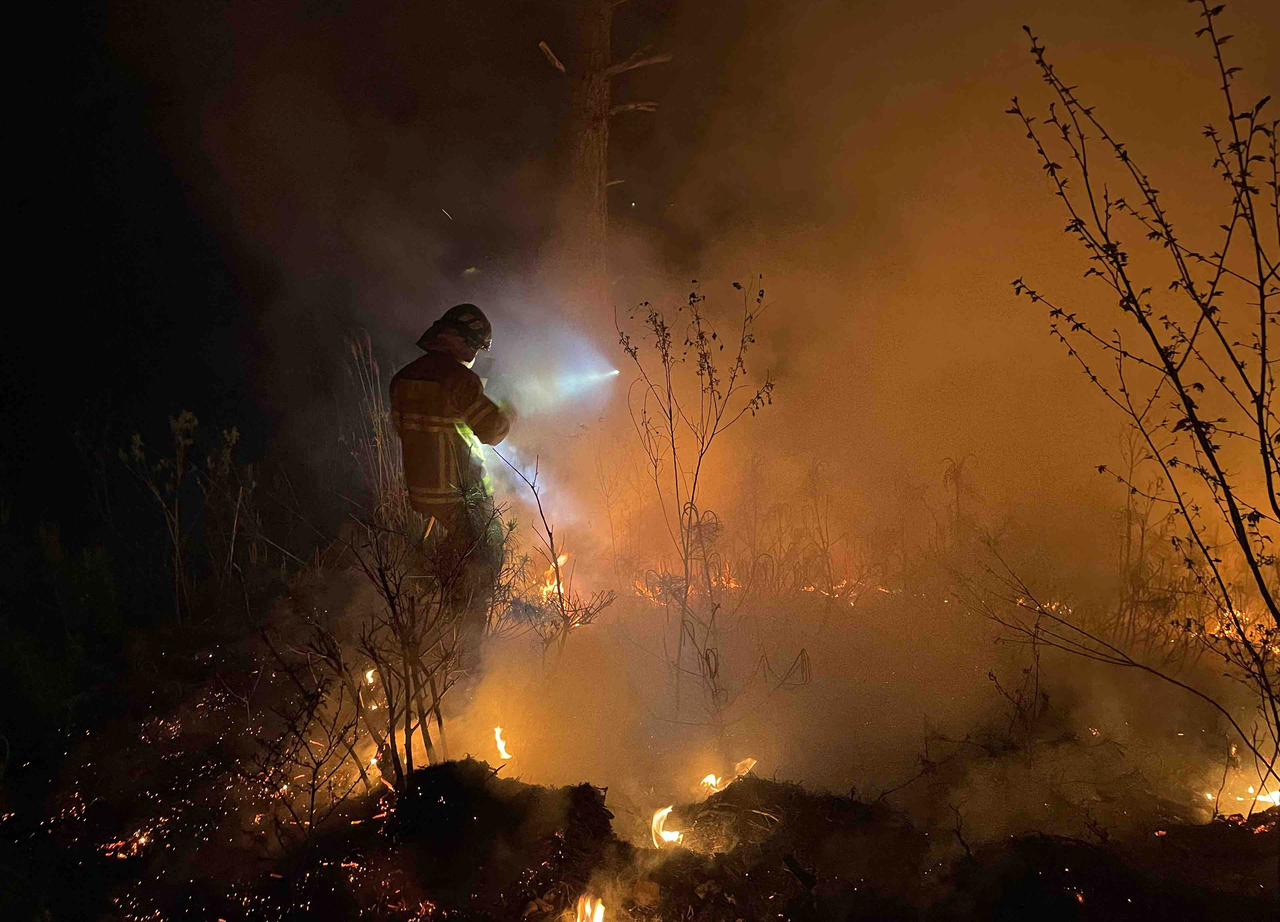
Nor is this a problem that ends after a few cautious days following a wildfire. Smoke from wildfires recurring across the globe travels long distances and continues to affect air quality. Some analyses suggest it could even reverse hard-won progress in reducing fine dust levels.
The World Meteorological Organization released its "2026 Air Quality and Climate Bulletin" on Monday. It said current methods for assessing air quality health risks do not adequately capture the health damage caused by wildfire smoke. In simple terms, fine dust from wildfires may do more harm to health than previously assumed.

Ultrafine dust is a category defined by particle size. Any particle 2.5 micrometers in diameter or smaller counts as PM2.5, regardless of its source. But not all such particles have the same effect once they enter the body.
Wildfire smoke is a complex mixture of substances released as trees, plants and other vegetation burn. According to the World Health Organization, about 90 percent of the particulate mass emitted by wildfires falls at or below the PM2.5 size threshold. But wildfire smoke can also contain ozone, nitrogen dioxide, polycyclic aromatic hydrocarbons and toxic metals such as lead, on top of ultrafine dust.

In a study published last year in the journal Lancet Planetary Health, researchers analyzed mortality data from 654 regions across 32 European countries between 2004 and 2022. The data covered a population of about 541 million. The analysis found that applying standard fine dust risk assessments could underestimate the mortality burden from wildfire-generated ultrafine dust by up to 93 percent.
The gap in estimated deaths was substantial. When researchers separately accounted for the health effects of wildfire PM2.5, they estimated that short-term exposure to wildfire smoke caused an average of 535 deaths per year during the study period.
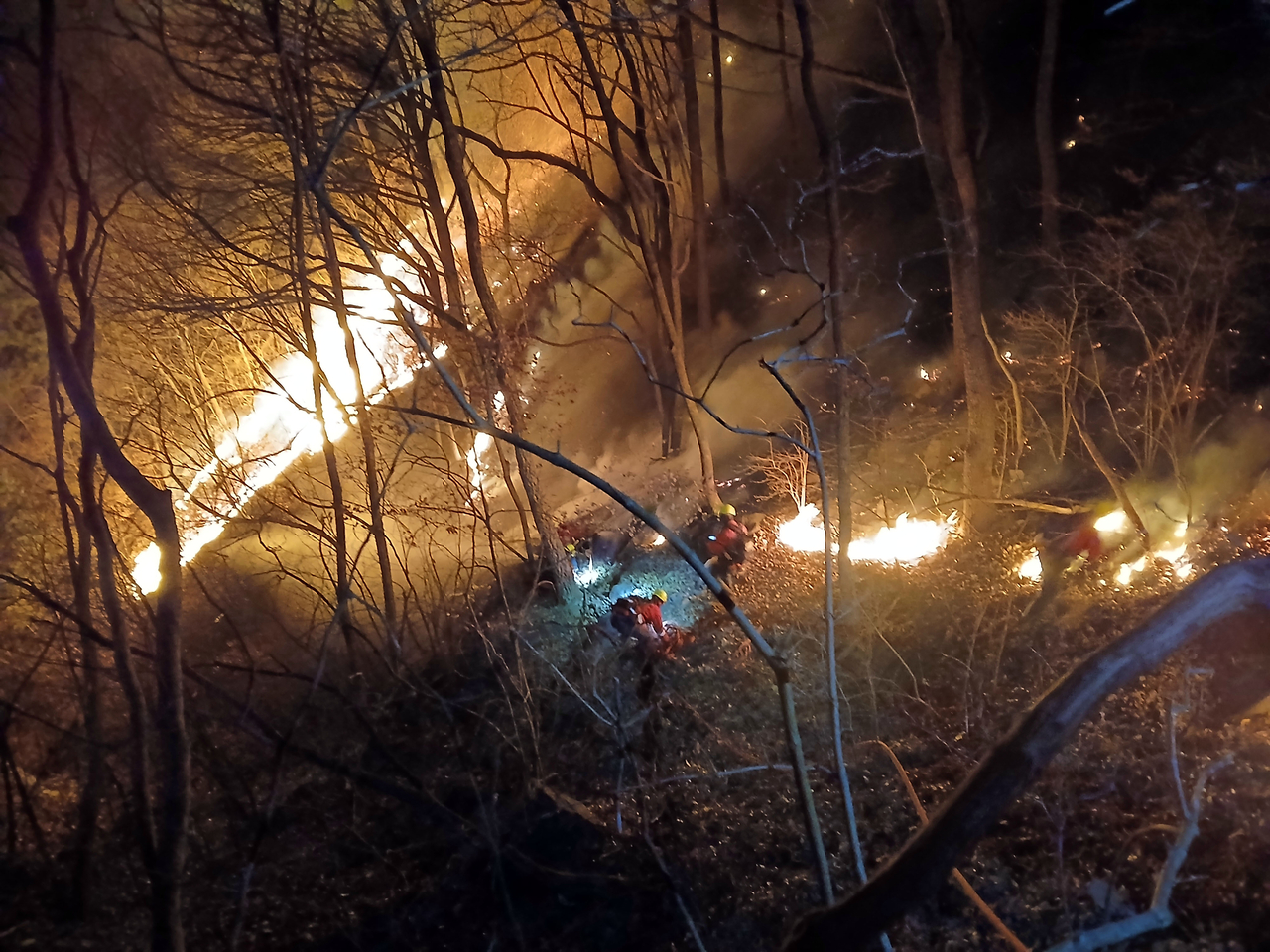
When the researchers instead assumed wildfire PM2.5 carried the same health risk as ordinary fine dust, the estimated average annual death toll dropped to just 38. That marked roughly a 14-fold difference in the mortality burden estimate, using the same wildfire smoke and mortality data.
The trouble is that the likelihood of exposure to this higher-risk wildfire smoke is itself increasing. As temperatures rise and drought and dry conditions persist, wildfires are becoming more likely to occur more frequently and with greater intensity.
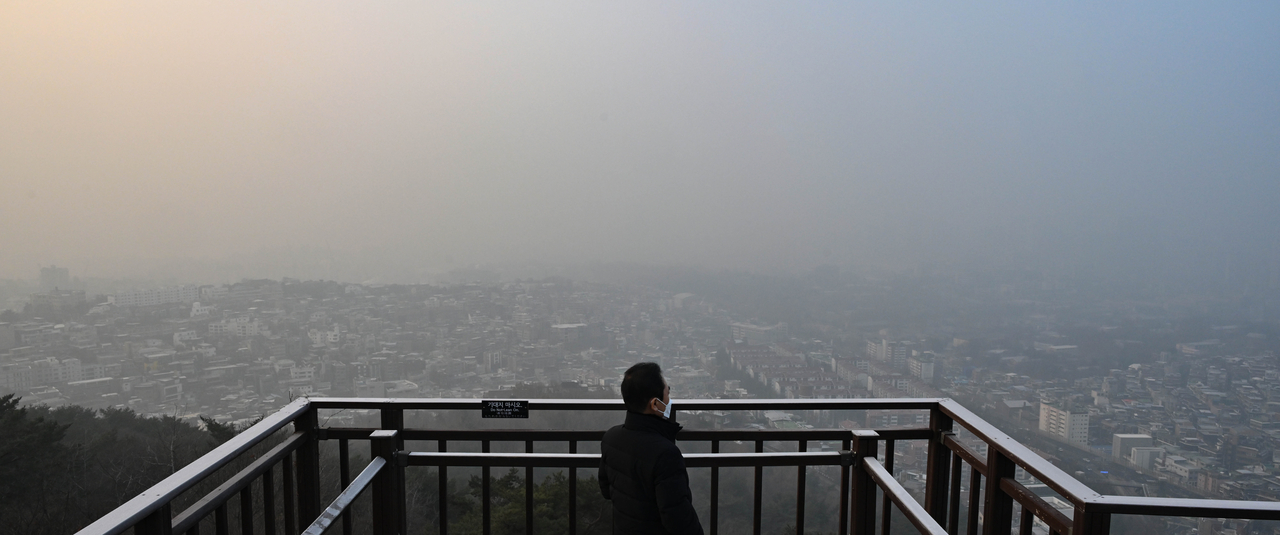
According to the WMO, extreme wildfire smoke exposure events worldwide have roughly tripled since the 1990s. Research cited by the WMO estimated that short-term exposure to PM2.5 from wildfire smoke contributed to about 100,000 additional deaths per year globally between 2010 and 2018.
The estimated number of deaths linked to exposure to ultrafine dust from wildfires and other fires has also climbed steadily. It averaged about 69,000 a year in the 1990s, rose to 89,000 in the 2000s, and reached 99,000 between 2010 and 2018. In 2010 alone, it reached about 120,000.
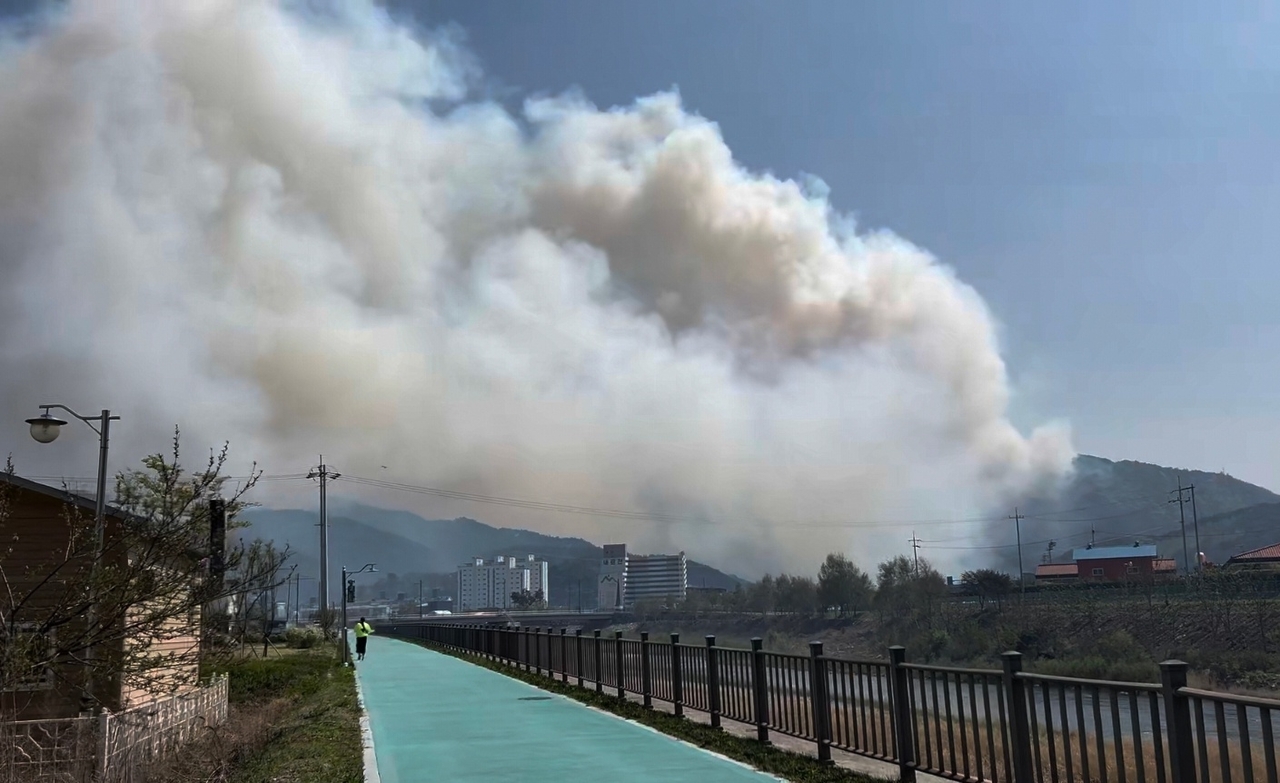
Analyses continue to point to climate change's role in wildfire occurrence. Climate change's share of deaths linked to fire-related fine dust rose roughly tenfold, from 1.2 percent in the 1960s to 12.8 percent in the 2010s.
Nor does the impact stay confined to areas near where a wildfire breaks out. During Canada's massive wildfires in 2023, smoke drifted south and turned the sky over New York orange. At the time, the smoke even crossed the Atlantic to reach Western Europe, traveling at least several thousand kilometers on the wind.
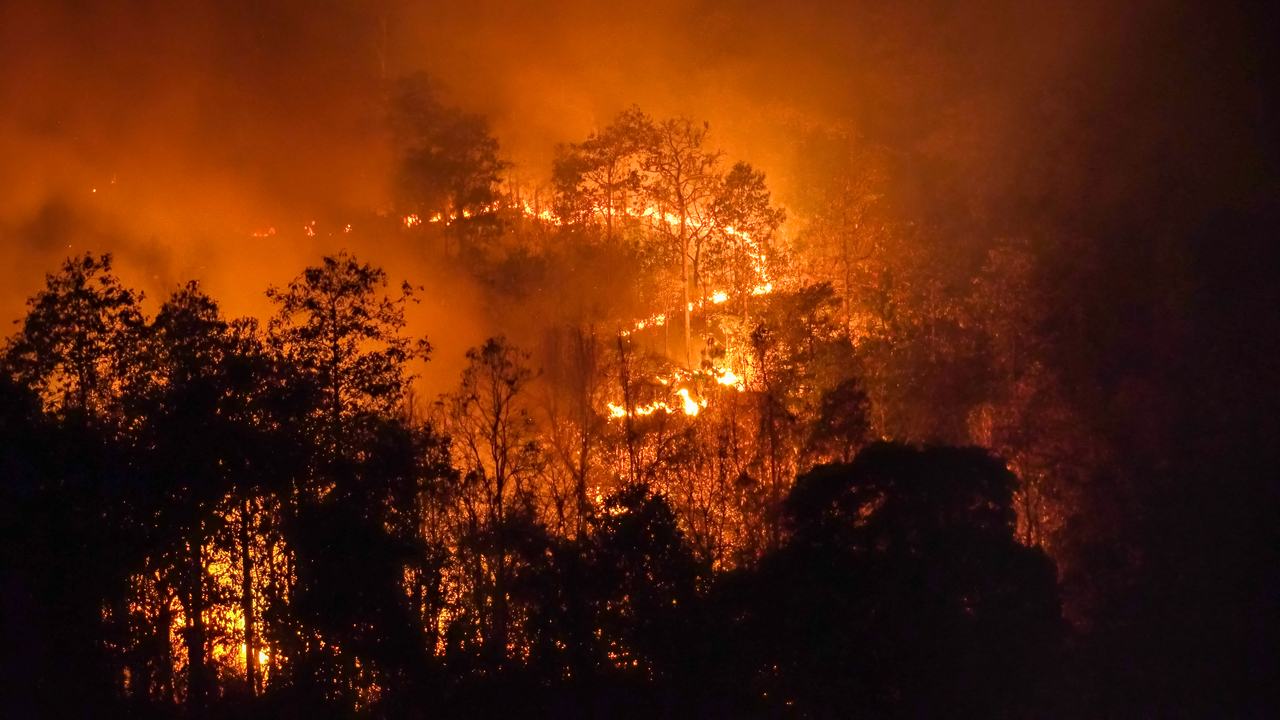
South Korea is no exception. During a major wildfire in North Gyeongsang Province in March last year, ultrafine dust concentrations in the affected area spiked rapidly. Changes in airborne particle composition linked to forest burning were also detected in Cheongju and Seosan, hundreds of kilometers from the fire zone, and the effects were even estimated to have reached air quality in parts of Japan.
In some countries, air pollution from wildfires has been found to offset the air quality gains achieved through fine dust regulations. Even as efforts continue to cut fine dust emissions from vehicles and factories, wildfires have emerged as another pollution source undermining that progress.
The WMO said, "As extreme wildfire weather is expected to increase, meeting WHO air quality guidelines will become increasingly difficult."
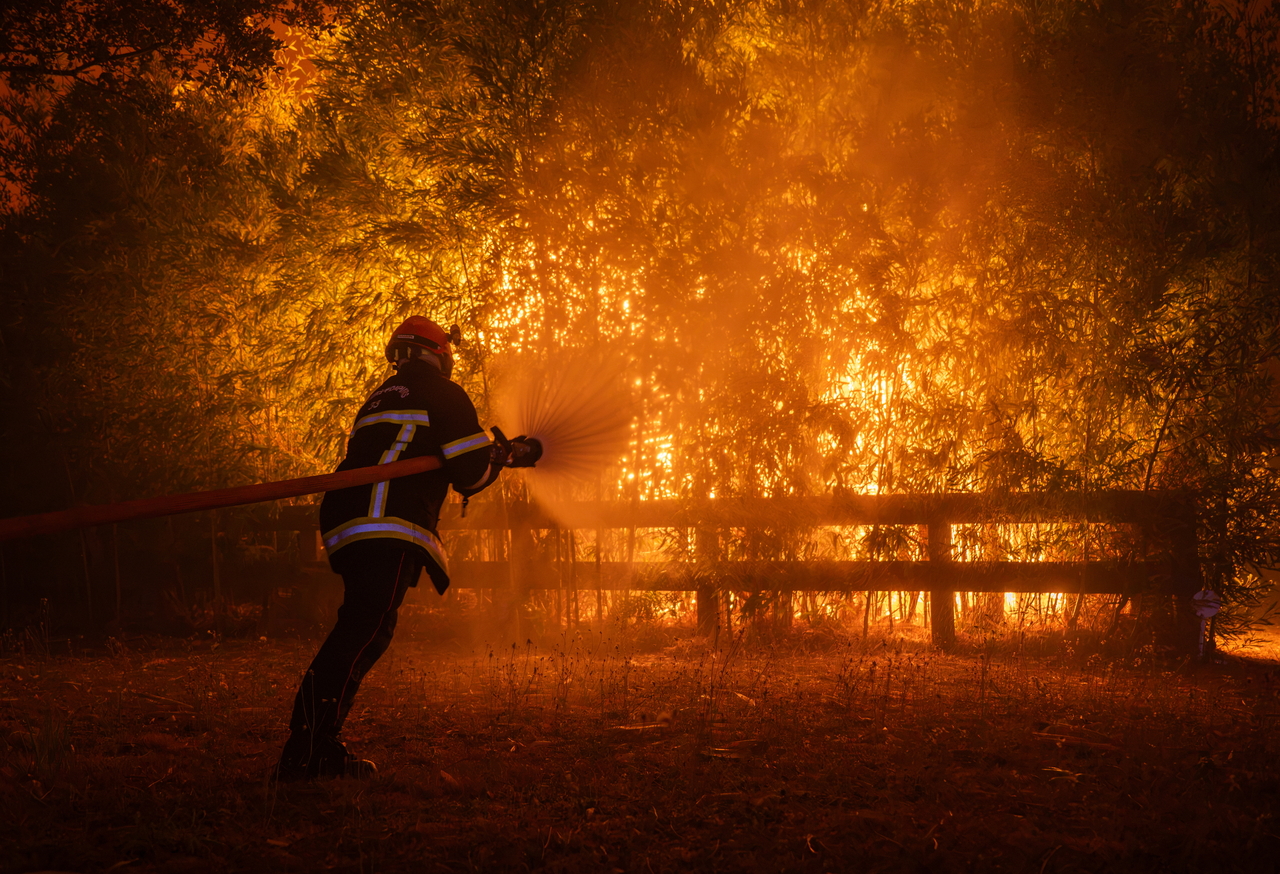
According to the WMO, regulations in Europe and North America have reduced ultrafine dust emissions from industry and transportation. But northern Canada, parts of Russia and central-west Africa — where wildfire activity has been intense — saw ultrafine dust concentrations higher than normal, running counter to the overall trend.
As climate change continues, hot, dry conditions are expected to intensify, increasing the weather conditions that favor extreme wildfires. That means fine dust generated by wildfires may no longer be just a temporary or localized air pollution problem.
This has led to calls not to evaluate the risk of wildfire-generated fine dust the same way as ordinary fine dust. The WMO said, "Current air quality risk assessments do not adequately reflect the danger posed by wildfire smoke," emphasizing the need to separately account for the characteristics of wildfire-derived fine dust in risk assessments.
South Korea, meanwhile, is not free from wildfire risk either. The National Institute of Forest Science projected that, if climate change continues, the country's wildfire risk could rise by up to 158 percent by around 2100 compared with 1971-2000 levels. It projected that the increase in winter wildfire risk driven by rising temperatures would be particularly pronounced.

woo@heraldcorp.com