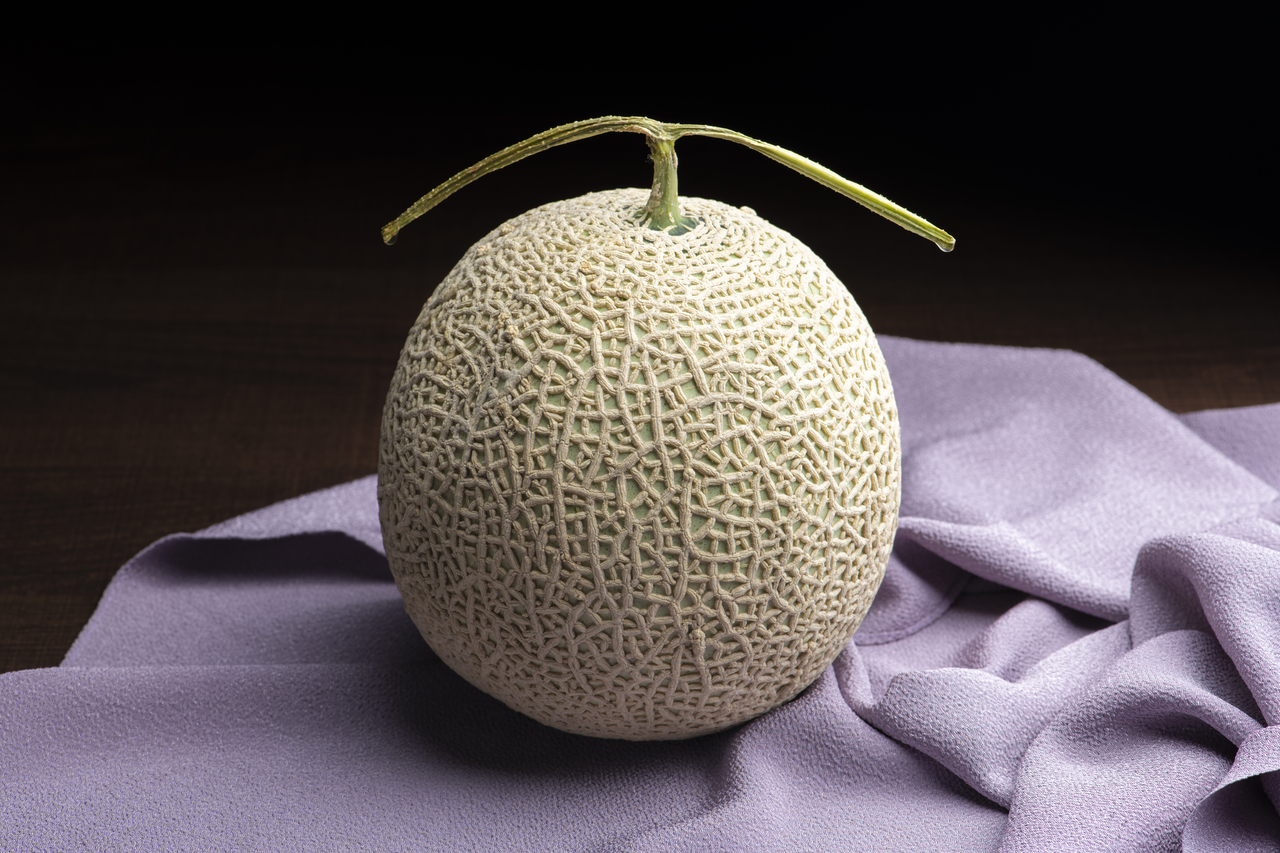
New research suggests the melons eaten in China 900 years ago were likely not a dessert. DNA extracted from ancient seeds buried in mud showed the flesh was not orange and lacked strong sweetness. Researchers concluded the fruit was probably eaten crunchy, pickled or used as banchan, a side dish served with rice.
A research team led by Nathanael Walker-Hale of Durham University in the UK and Susanne Renner of Washington University in St. Louis in the US recently published the results of decoding the genome of Song dynasty melon seeds in Proceedings of the National Academy of Sciences, Vol. 123, No. 36.
Melons weren't sweet 900 years ago
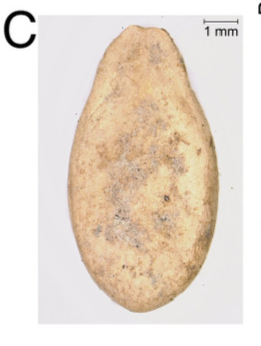
The research team analyzed two of the 24 seeds found at an ancient Chinese archaeological site — the only ones preserved well enough to extract DNA. The seeds had been buried in a waterlogged sediment layer that kept air out, preserving their genetic material. Radiocarbon dating placed them between 1020 and 1150.
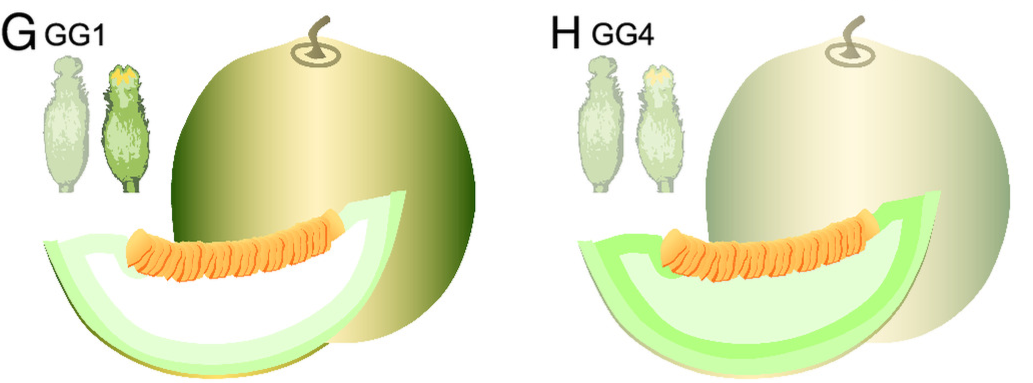
The DNA in the seeds lacked the genotype that gives melon flesh its orange color. There was also no deletion that would have made the skin white, suggesting the fruit's skin was yellow. Another seed carried a genotype associated with green flesh.
In terms of taste, neither seed matched the type of melon that continues to ripen after being picked. Instead, both belonged to the type that retains its condition at the point of harvest — a different lineage from today's melons, which grow sweeter as they ripen after picking. One seed showed a mutation in the gene that determines sourness, suggesting it would have had lower acidity as well.

More similar to yellow chamoe than green melon
With yellow skin and flesh ranging from white to pale green, the melon resembles Korea's chamoe, a type of Oriental melon.
Japanese pickling varieties, South Indian cooking melons and a Sudanese landrace belong to the same lineage. In Korea, this type of melon is sweet enough to be eaten as dessert, but elsewhere it is not sweet and is used as banchan.
The research team believes Song dynasty melons were likely consumed the same way — eaten raw as a mildly sweet fruit or processed and served as banchan. However, the team said this is not based on direct evidence of Song-era Chinese cooking methods. Instead, it is an inference drawn from how modern varieties with the same traits are used today.

Chinese melons may have arrived via India
The port in Wenzhou, China, where the seeds were found, served as a trading hub linking the western Pacific and the Indian Ocean during the Song dynasty. A 2024 excavation there turned up rice alongside peaches, grapes, olives and dates, along with lychees and kiwis.
The presence of tropical fruits that do not grow in China points to a substantial volume of goods arriving by sea.
Comparing the ancient seeds with 294 modern melon lineages, the research team confirmed that they fall within the East Asian lineage cultivated in China.
However, the origin of the East Asian melon lineage remains unresolved. So far, only three locations have been confirmed as sites where melons were first domesticated — one in northeastern Africa and two in India. Yet seeds from the same genus have continued to turn up in the lower Yangtze River region of China throughout the Neolithic and Bronze ages. This is why some have suggested that domestication may have occurred separately in China.
The newly discovered seeds are consistent with the hypothesis that Chinese melons arrived from India. That does not rule out the possibility that domestication also occurred independently in China.
No wild melon population has ever been identified in China, leaving nothing to compare against. The research team said the question can only be answered by finding older melon seeds and extracting their DNA.
The team acknowledged that the findings come from just two seeds, and that the small DNA sample size means other possibilities cannot be ruled out.
Reference
DOI: 10.1073/pnas.2610284123
Citation: N. Walker-Hale, Y. Zheng, M. Verdenaud, L. Pereira, O.A. Pérez-Escobar, M. Preick, A. Bendahmane, M.V. Westbury, M. Hofreiter, H. Schaefer, X. Liu, G. Chomicki, & S.S. Renner, Ancient DNA reveals early use of melons in China's Song dynasty, Proc. Natl. Acad. Sci. USA. 123 (36) e2610284123.
dbsdn1110@heraldcorp.com