![A person takes a photo with Samsung's Galaxy S26. [Generated using ChatGPT AI]](https://wimg.heraldcorp.com/news/cms/2026/09/09/news-p.v1.20260909.57f9856b3b0341ad94c5e01684160156_P1.png)
"1,298,000 won ($968) for the Galaxy S25 to 1,507,000 won for the Galaxy S26."
That is how much the price of Samsung's premium Galaxy S series, in its 512-gigabyte configuration, has changed over the past year. Driven by rising memory chip costs and other cost pressures, the price of the 512GB Galaxy S model climbed more than 200,000 won in just a year. The increase drew plenty of complaints from consumers when the Galaxy S26 launched earlier this year, with many saying they wished they had bought the previous model instead.
Yet the price hikes did not dent Samsung's smartphone sales — the result was the opposite of what many had predicted.
With component costs, particularly for memory chips, expected to keep rising, many consumers rushed to buy Samsung phones before prices climbed even further. As a result, Samsung Electronics' output rose sharply, allowing the company to hold firmly onto its position as the world's top smartphone maker.
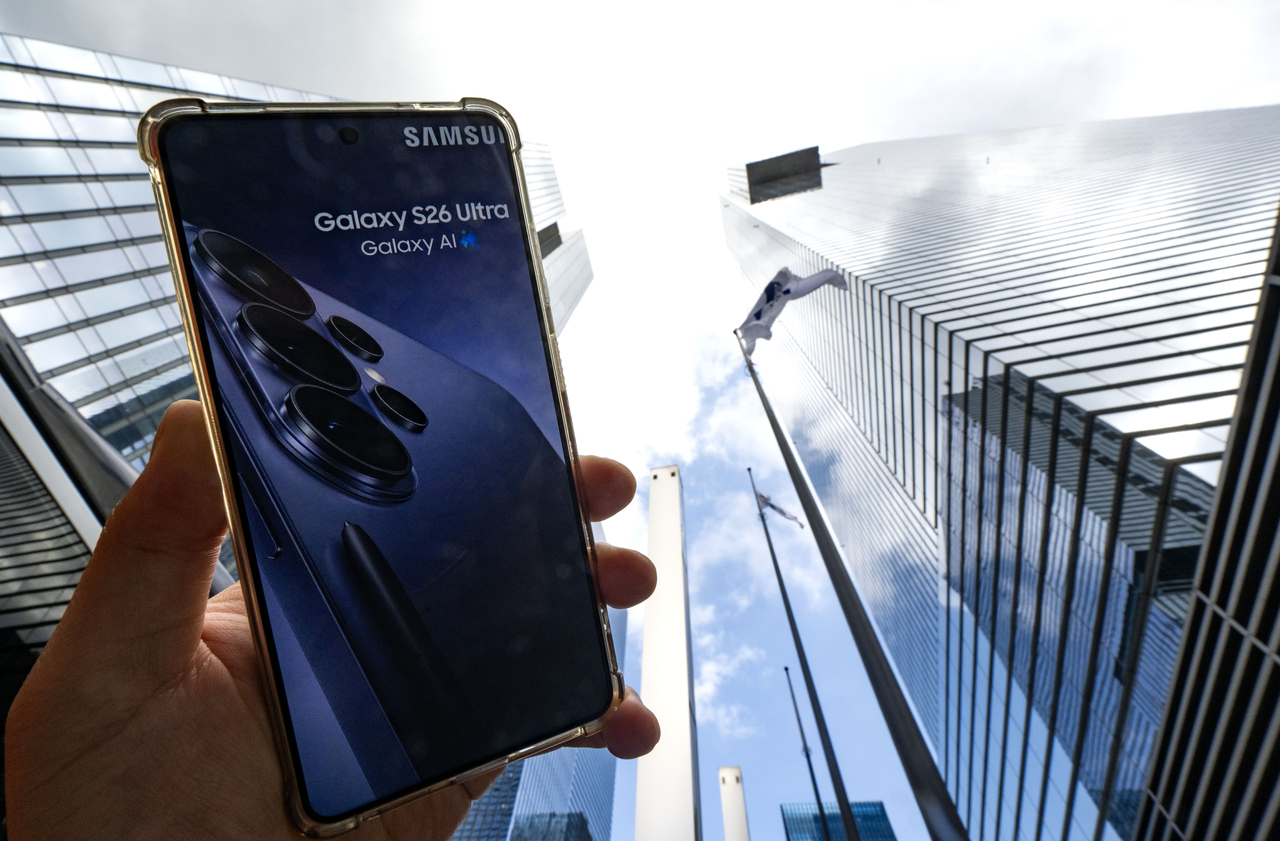
According to market researcher TrendForce, Samsung's smartphone output reached about 62 million units in the second quarter of this year, up roughly 7 percent from a year earlier, keeping the company in the top spot globally with a 23 percent market share.
That growth came even as global smartphone output fell 8 percent year-on-year to about 275 million units, meaning Samsung's production rose against the broader trend.
Industry watchers say consumers rushed to buy phones as quickly as possible, fearing that prices would rise further next year.
"This is the result of pulling forward future demand," TrendForce said, adding that "if memory chip prices continue to rise next year, the burden on the smartphone market could grow again."
Apple, facing the same cost pressures, also saw its output rise 14 percent to about 52 million units. But its market share was limited to 19 percent, leaving it in second place behind Samsung.
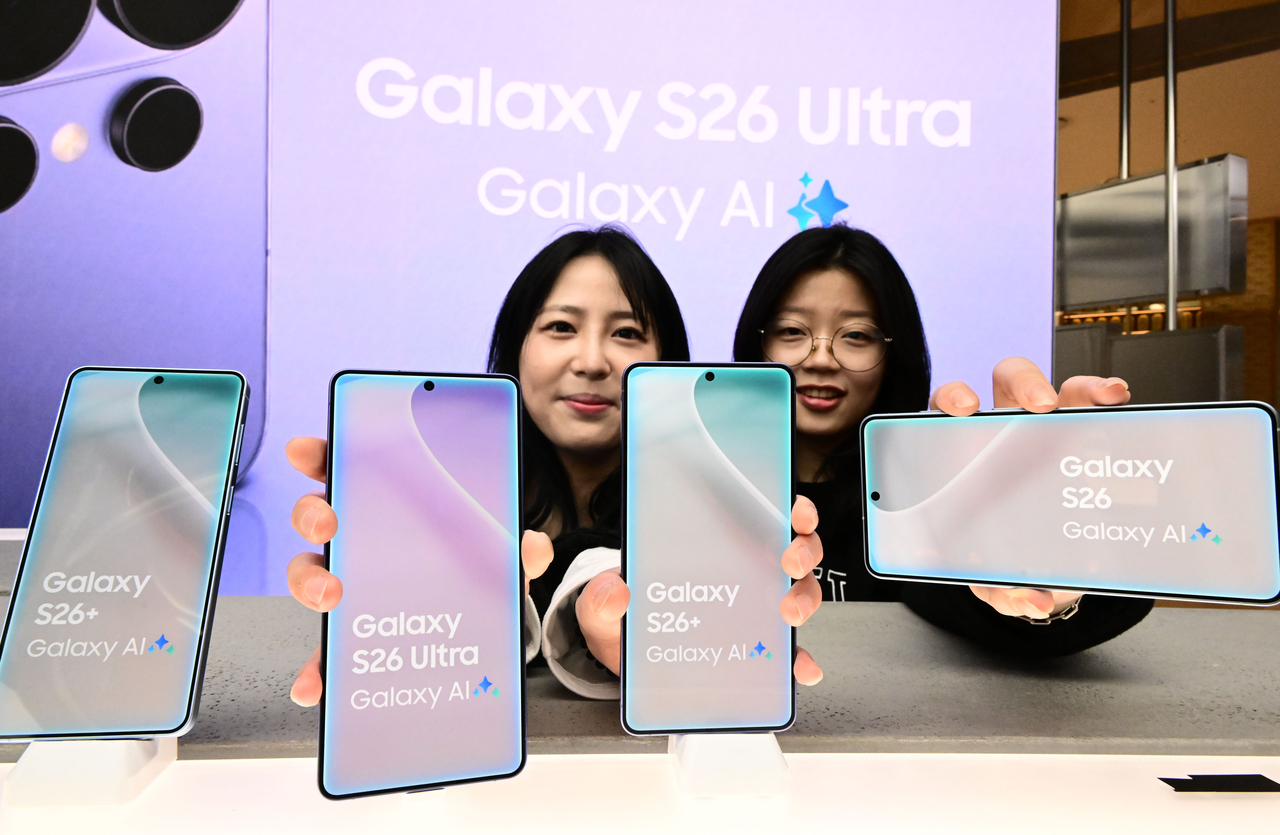
In fact, the burden of smartphone prices is growing heavier by the day. Amid this year's "chipflation," both Samsung and Apple have raised their product prices in lockstep.
Along with the 512GB model, Samsung raised the price of the base Galaxy S26 256GB model from 1,155,000 won to 1,254,000 won, while the Plus 256GB model rose from 1,353,000 won to 1,452,000 won.
Samsung had already raised prices on earlier models. In April, the company increased the retail price of the Galaxy S25 Edge (512GB) by 110,000 won, from 1,639,000 won to 1,749,000 won.
Attention now turns to whether Apple will also raise prices on its next iPhone, set to be unveiled soon. Apple, which has already raised prices on its Mac and other PC products, has signaled it will raise iPhone prices as well. Industry sources expect the iPhone 18 Pro and Pro Max to see price increases of around 200,000 to 300,000 won compared with their predecessors.
sjpark@heraldcorp.com