Woman in her 60s confirmed infected, had no vaccination history
Caution urged as Sept.-Oct. account for 80 percent of local cases
South Korea has confirmed its first Japanese encephalitis case of the year, about five weeks earlier than last year. Health authorities urged caution against mosquito bites, noting that roughly 80 percent of the country's Japanese encephalitis cases occur in September and October.
The Korea Disease Control and Prevention Agency said Wednesday that a woman in her 60s tested positive for Japanese encephalitis after visiting a hospital Aug. 15 with symptoms including high fever, chills and vomiting.
An epidemiological investigation found that the patient had been bitten by a mosquito and had not received the Japanese encephalitis vaccine.
The woman, who has underlying conditions including chronic kidney failure, is currently hospitalized for treatment.
Most Japanese encephalitis cases in South Korea occur between August and November, with about 80 percent concentrated in September and October. Patients aged 50 and older accounted for the largest share, at 65.9 percent.
Health authorities issued this year's Japanese encephalitis caution alert on March 20 and warning alert on June 17. Both came earlier than last year's caution alert on March 27, 2025, and warning alert on Aug. 1, 2025, with the first case also emerging about five weeks earlier than last year.
The number of Japanese encephalitis patients rose from 17 in 2023 to 21 in 2024 before falling to seven last year.
Infection with the Japanese encephalitis virus typically causes mild symptoms such as fever and headache.
In rare cases, the infection can progress to encephalitis, bringing severe symptoms such as high fever, seizures, stiff neck, confusion, convulsions and paralysis. Between 20 and 30 percent of such cases can be fatal. Over the past decade, health authorities recorded six deaths in 2019 and again in 2024, and five in 2021.
When the illness progresses to encephalitis, 30 to 50 percent of patients may suffer various neurological complications depending on the affected area, making swift diagnosis and treatment critical.
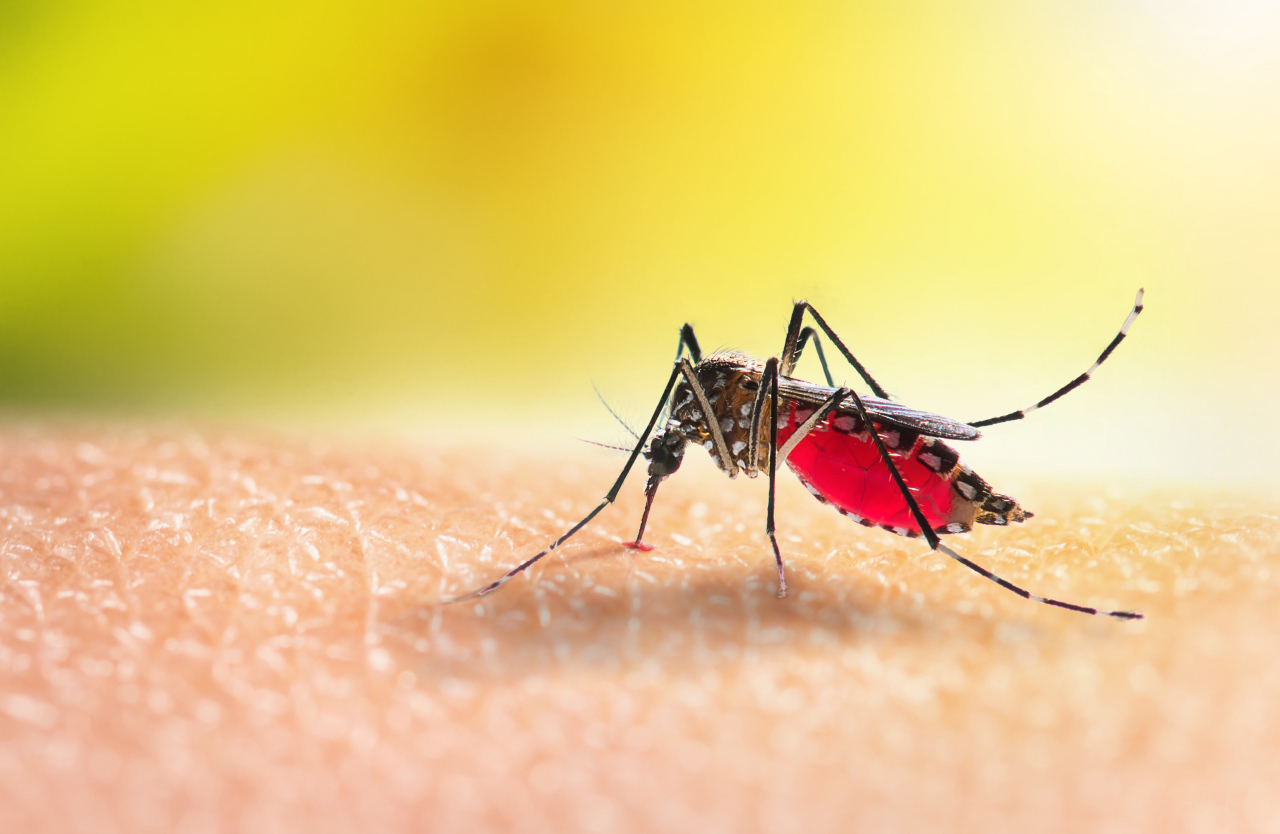
The Culex tritaeniorhynchus mosquito, a small, dark brown species that transmits Japanese encephalitis, feeds mainly at night and is active nationwide from April to October.
Surveillance of Japanese encephalitis-carrying mosquitoes found the average mosquito index stood at 121 as of early September (week 36), lower than the 2023-2025 average of 381 for the same period. The pattern remains persistent, warranting continued caution against mosquito bites.
An effective vaccine against Japanese encephalitis is available, health authorities said. They recommended that children age 12 and under (born on or after January 2013), who are eligible for free national vaccination, receive it according to the standard immunization schedule.
They also said vaccination is necessary for adults 18 and older who have never been vaccinated against Japanese encephalitis. This applies particularly to those living near rice paddies or pig farms in risk areas, or planning to be active in such areas during the transmission season.
woo@heraldcorp.com