Ministry of Trade, Industry and Energy unveils measures to tackle vacancies and reform regulations for knowledge industry centers
Vacant centers in Greater Seoul area to be converted into housing for young people and newlyweds
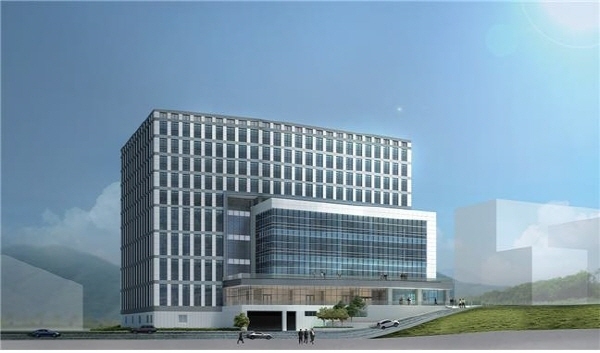
The government will significantly ease restrictions on the types of businesses allowed to move into knowledge industry centers, aiming to resolve vacancies caused by oversupply and market slowdown. It will switch to a "negative list" system that, in effect, permits all types of businesses to move in, excluding gambling, harmful and hazardous facilities. Vacant knowledge industry centers in the Greater Seoul area will also be converted into public rental housing for young people and newlywed couples.
The Ministry of Trade, Industry and Energy unveiled the "Measures to Address Knowledge Industry Center Vacancies and Improve Related Regulations" on Thursday. The announcement came during a joint meeting of the Emergency Economic Headquarters and the Ministerial Meeting on Structural Reform. The meeting was presided over by Deputy Prime Minister Koo Yun-cheol, who also serves as minister of economy and finance.
According to the ministry, among the 1,553 knowledge industry centers approved nationwide, those completed over the past three years (2023-2025) have an average vacancy rate of 43.5 percent and an unsold rate of 26.9 percent. As loan regulations and falling market prices have raised the risk of delinquency and bankruptcy among unit buyers, the number of auctions last year reached a record 3,876.
The measures include a broad range of support to spur private-sector demand and ease vacancies. Last month, the government temporarily waived the requirement to secure parking space so that unsold centers in general industrial zones can be converted into quasi-residential facilities such as residential officetels. It will also ask local governments to defer collection of the acquisition tax -- up to 35 percent -- that was previously levied upon such conversions, easing the financial burden on developers.
A new remodeling fund loan of 70,000 won ($52) per unit at an annual interest rate of about 3 percent will also be introduced, along with a new mortgage guarantee from the Korea Housing and Urban Guarantee Corporation covering up to 60 percent of a unit's expected appraised value after remodeling.
The government will also dramatically lower the threshold for moving into these centers. It will fully switch to the negative list system, allowing all business types except gambling, harmful and hazardous facilities. This has opened the door for new-industry companies such as AI software firms, urban logistics hubs known as micro-fulfillment centers, and drone photography services to move in en masse.
In addition, the government plans to draft guidelines requiring heads of local governments to assess the impact on surrounding commercial districts and the distribution and vacancy status of nearby centers before granting approval for new construction. The move aims to prevent indiscriminate ground-breaking.
The government also plans to replace the term "knowledge industry center," introduced in 2010, with a new name to be chosen through a public naming contest.
The government also decided to use fiscal spending to absorb vacant knowledge industry centers in the Greater Seoul area into the public housing stock. To this end, it will purchase vacant centers in the region through the Korea Land and Housing Corporation's "non-residential remodeling purchased rental housing" project. The centers will then be converted into public rental housing for young people and newlywed couples.
The public sector will similarly purchase and utilize vacant centers outside the Greater Seoul area. This will be done through the Ministry of SMEs and Startups' "public rental knowledge industry center construction" project and the Ministry of Trade, Industry and Energy's "closed factory remodeling" project.
"Knowledge industry centers are struggling with oversupply and accumulated vacancies," Minister of Trade, Industry and Energy Kim Jung-kwan said. "We will establish a supply-demand control system while boldly reforming occupancy regulations to make a real difference on the ground."
oskymoon@heraldcorp.com