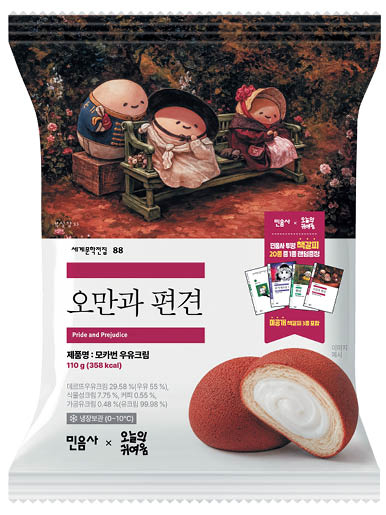
[Herald Lab] Minumsa, a publishing house known for making books, has rolled out something other than a new title this time — bread.
The initial surprise that it is bread, not a book, has quickly given way to curiosity, as consumers grow fascinated by this unusual pairing of a publisher and food.
The popularity has been particularly striking. The products sell out as soon as they hit convenience store shelves, and some shoppers have even staged so-called "opening runs" at convenience stores to snag the items they want.
As Minumsa bread has become harder to find, some buyers are now paying markups for it on online secondhand trading platforms.
So why exactly are consumers so enthusiastic about this bread?
Literature baked into bread
The biggest distinction of Minumsa bread is that it is not simply a snack bearing a publisher's name.
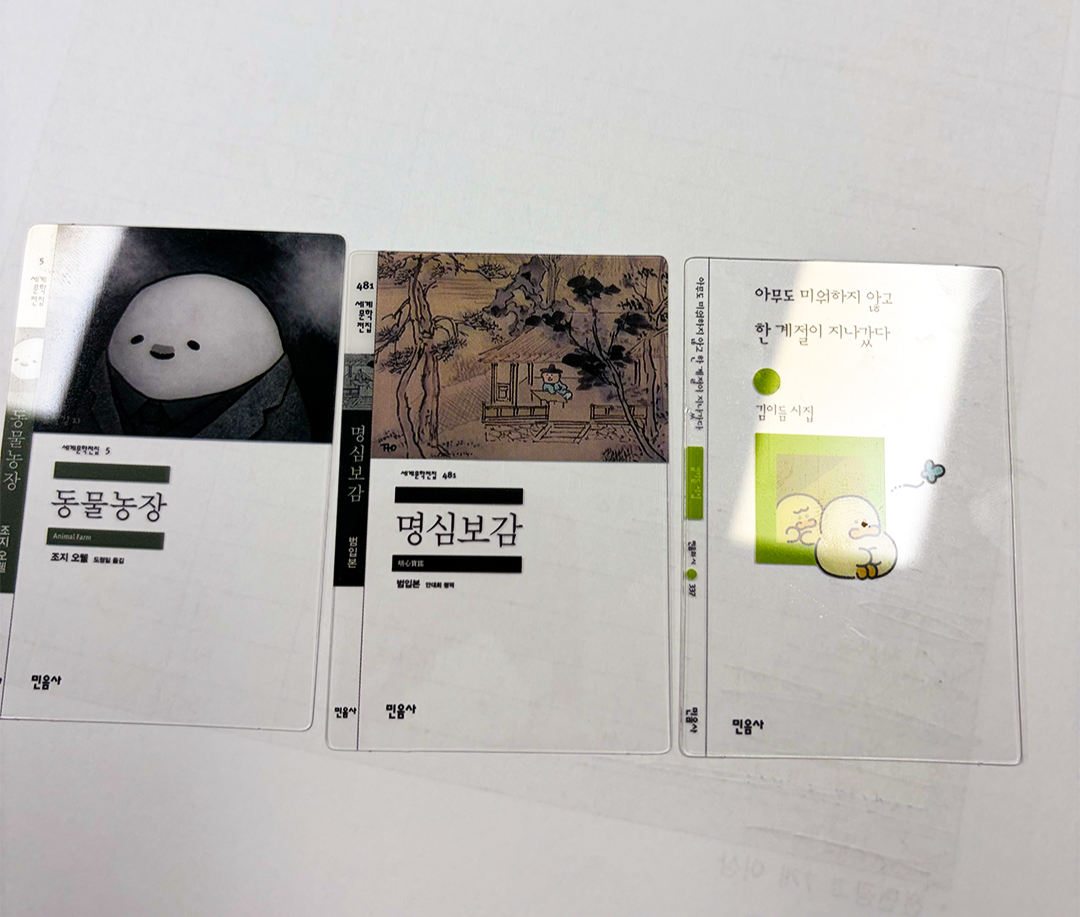
The bookmarks given away with each purchase carry Minumsa's literary content. Designed to evoke the publisher's signature World Literature series, the bookmarks let buyers pick up a piece of literary merchandise the moment they buy the bread.
This sets the product apart from conventional publishing merchandise, since it lets even consumers who rarely buy books encounter Minumsa and literature through the familiar medium of bread.
With more than 20 bookmark designs distributed at random, the promotion has also fueled consumers' urge to collect them all.
More shoppers are visiting multiple convenience stores in search of a specific design, or trading bookmarks they already own for different ones.
Buying a single piece of bread has thus naturally grown into a kind of game — collecting bookmarks and then seeking out the books whose designs they reference.
Why publishers are stepping outside the book
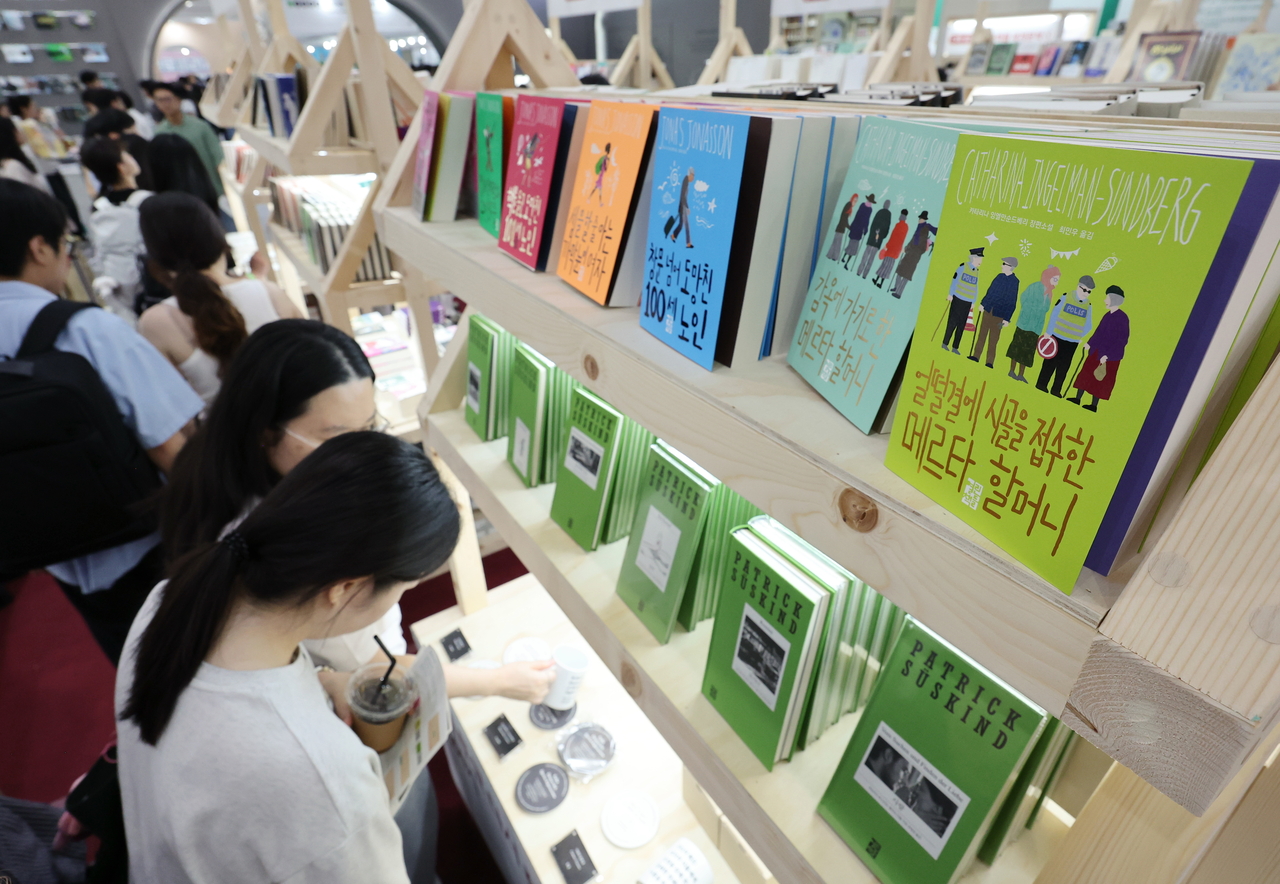
In fact, it is no longer unusual for publishers to release merchandise.
Publishers have increasingly reached readers through stationery featuring book covers or literary quotes, as well as through a variety of products and exhibitions. This has gradually expanded their role beyond simply publishing books.
Minumsa bread fits this broader trend.
Publishers once relied mainly on readers who bought books. Now, it has become increasingly important to draw in even those who do not read but experience the brand and its content, treating them as potential readers.
Leveraging the accessibility of convenience stores also allows publishers to naturally reach not only existing readers but also consumers who typically keep their distance from bookstores and publishers.

Minumsa's move is also drawing attention because it reflects broader changes across the publishing industry.
Rather than ending with reading a book, publishers are now turning the entire experience of seeing, buying, eating and sharing into content.
This matters particularly for younger consumers who consume content mainly through social media, for whom a talking point and a product's collectible value carry as much weight as its practicality.
Minumsa bread, too, has become content worth posting about, combining the novelty of a publisher making bread with literary merchandise that gives consumers something to show off and share.
Sold-out sensation: will Minumsa bread be a one-off?
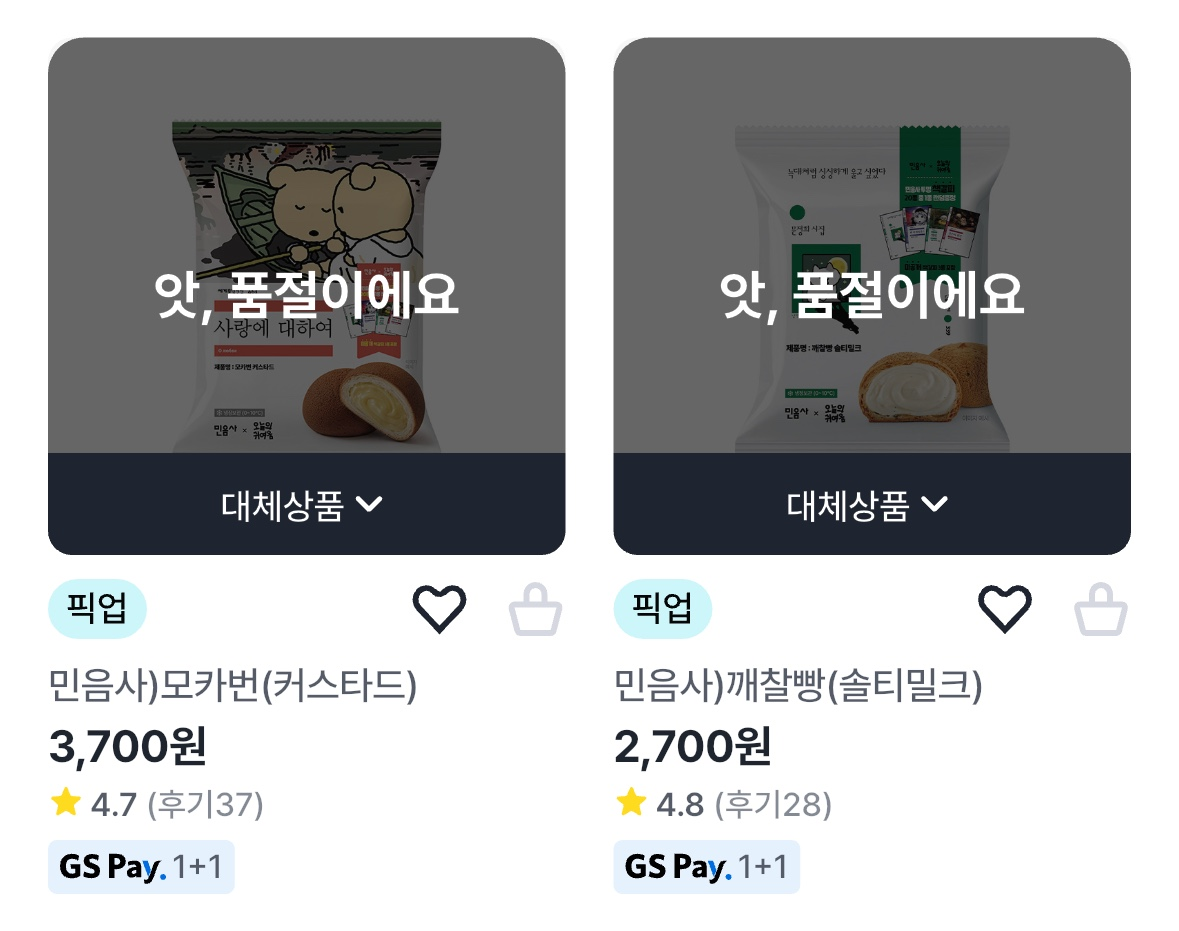
However, whether Minumsa's move will actually translate into book sales and readership remains to be seen.
In terms of buzz alone, the campaign has succeeded in grabbing consumers' attention, but whether those who bought the bread will actually go on to read Minumsa's books is a separate question.
In particular, the sellouts, opening runs and marked-up resales may be driven more by scarcity and collecting impulses than by the bread's taste or literary value. If so, the trend could cool off quickly.
Ultimately, analysts say the success of Minumsa bread hinges not just on how many units sold. It also depends on how much closer the campaign brings consumers to Minumsa and to literature itself.
This is an era in which a publisher that once sold books now makes bread, and consumers encounter literature through that bread.
Whether Minumsa bread remains just a quirky novelty item or becomes a new strategy for publishers to win over readers remains to be seen.
By Park Hye-min, content operator
Editing by Min Sang-sik
mss@heraldcorp.com