Korea Energy Agency's oversight duty falls short overseas
Certification year matches last inspection year at 29 of 37 overseas factories
Rep. Park Soo-min: "Benefits without checks -- negligence must be examined"

Oversight of overseas factories under the high-efficiency energy appliance certification system run by the Korea Energy Agency has effectively fallen into a blind spot. Certification brings a range of benefits, including priority purchasing by public institutions, but some overseas factories have gone more than 20 years without a follow-up inspection after receiving certification.
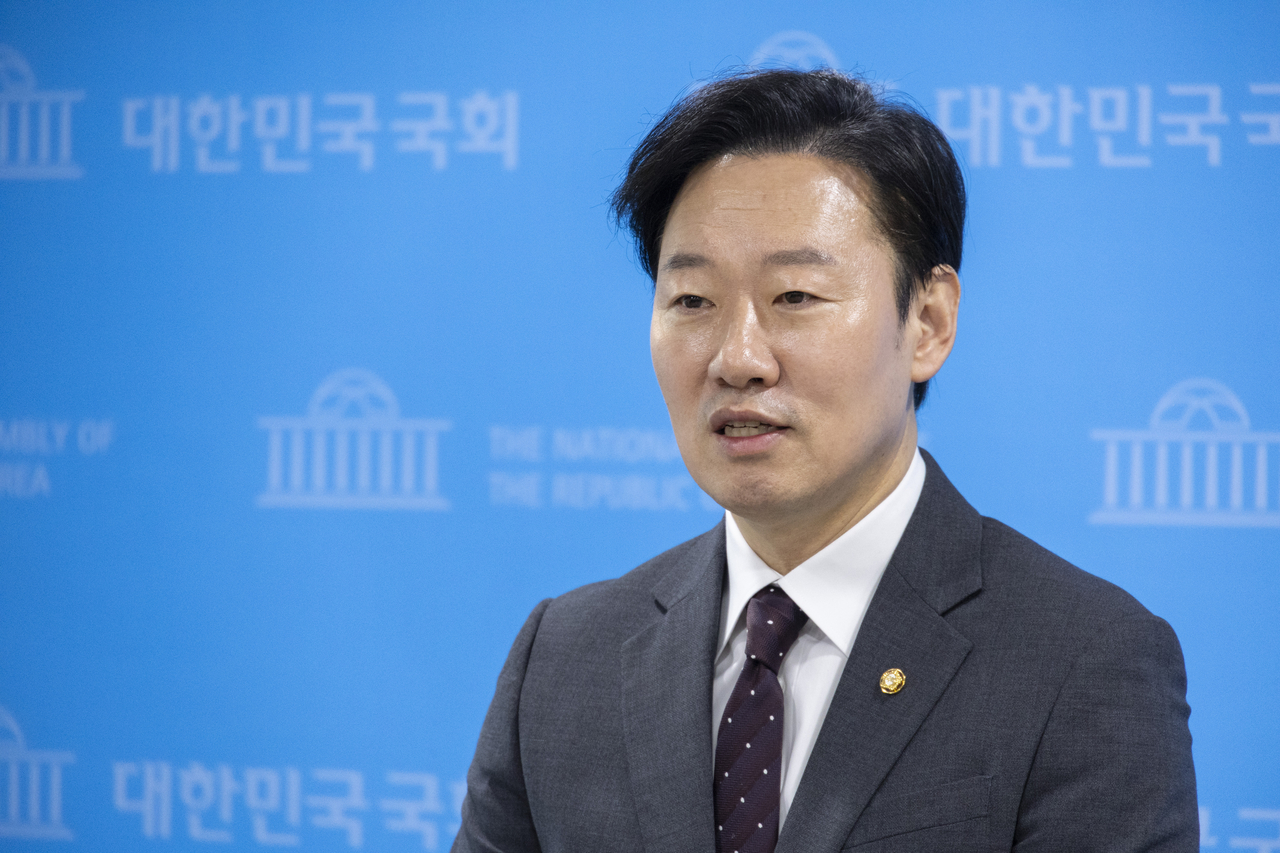
The Korea Energy Agency submitted the data Friday to the office of Rep. Park Soo-min of the People Power Party. Park is a member of the National Assembly's Climate, Energy and Environmental Labor Committee. The data showed that 29 of the 37 overseas factories holding the high-efficiency certification had the same year for their certification and their most recent inspection.
The high-efficiency energy appliance certification, run by the Korea Energy Agency since 1996, is designed to promote early market formation and adoption of energy-efficient products. It covers items such as LED lighting, inverters, gas boilers, pumps and electric vehicle charging equipment.
Certified products become eligible for priority purchasing by public institutions, mandatory installation in newly built structures, and low-interest energy financing, among other benefits. Subsidies tied to the certification have totaled 2.53 billion won ($1.89 million) over the past five years.
The Korea Energy Agency inspects factories to confirm that certified products continue to be manufactured to standard. While regulations set the same inspection standards for domestic and overseas factories, actual inspection records show a wide gap.
One factory in Finland, in particular, has gone without a follow-up inspection for 23 years since its certification in 2003. A factory in Singapore certified in 2006 and one in Japan certified in 2007 have likewise had no inspection record since.
Over the past 10 years, overseas factories were inspected only 11 times in total. The last on-site inspection took place in 2019, and none occurred for six consecutive years from 2020 through 2025. By comparison, domestic factories were inspected 392 times over the same period.
The Korea Energy Agency said it suspended overseas field inspections due to the COVID-19 pandemic. However, it did not request related budget even in 2024 and 2025, after the pandemic had subsided.
The agency estimated that inspecting a single overseas factory costs up to 5 million won in Asian countries such as China. In the United States, the cost rises to up to 8 million won. However, the related budget fell from 8.23 million won in 2020 to 7.33 million won in both 2021 and 2022, then to 2.08 million won in 2023. That amount was insufficient to cover even one inspection of a factory in Asia.
The Korea Energy Agency said it resumed pushing for overseas field inspections after a complaint filed through the government's Sinmungo civil complaint portal in July last year. It has budgeted 12 million won for this year, enough to inspect two to three companies with a two-person team. Factories not selected for on-site inspection will be evaluated based on self-inspection data, with the agency directly checking any found inadequate.
However, of the 37 currently certified overseas factories, 29 have no separate inspection record since certification. At a pace of two to three factories inspected per year, checking all of them once could take around a decade.
"It is hard to understand why the agency has kept granting 'high-efficiency certification' and public institution priority-purchasing benefits even though there has not been a single overseas factory inspection in six years," Park said. "Given that the inspection standards for domestic and overseas factories are supposed to be the same under regulations, yet domestic factories alone were inspected dozens of times a year, this is unfair. I will make sure to press the agency at the national audit on why overseas field inspections were effectively left unattended."
mp1256@heraldcorp.com