Younger drinkers seek fruit and sparkling flavors over hard liquor
Terra Sparkling sells 2.8 million cans; convenience stores join the trend
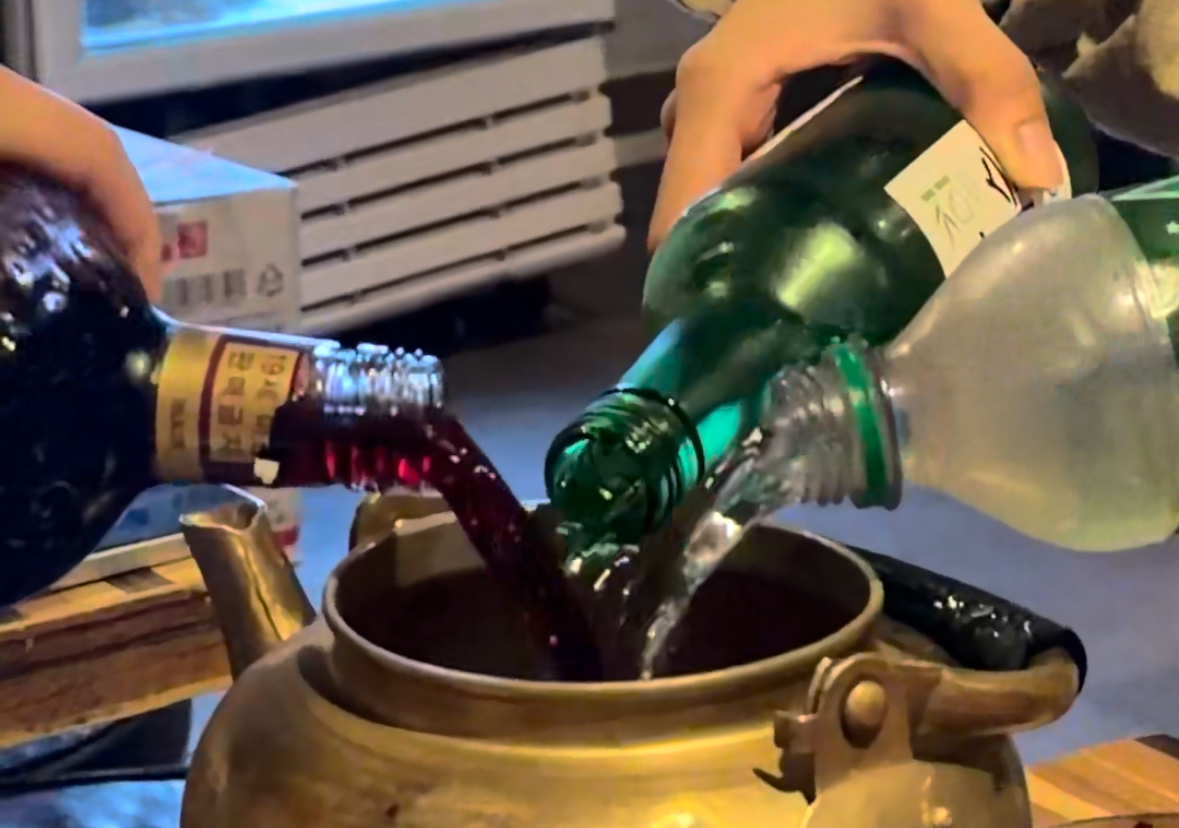
At around 9 p.m. Thursday, Hayan-jip in Jung-gu, Seoul, was packed with college students in their 20s. The bar is known for serving "bokso saju" — a mix of bokbunja-ju (Korean black raspberry wine), soju and cider. Its refrigerators were stocked floor to ceiling with red bokbunja-ju.
Tables were lined with empty bokbunja-ju bottles and pitchers of the blended drink. Sweet, fizzy cocktails had taken the place of the soju and beer typically found at Korean bars. "I prefer sweet, tasty drinks over bitter ones like soju," said a customer in her 20s who gave only her surname, Choi. "Bokso saju is great for chatting with friends."
Young consumers are cutting back on alcohol overall, but they are still opening their wallets for drinks that offer flavor and novelty, according to industry sources. As demand grows for "tasty alcohol" to be enjoyed casually rather than purely to get drunk, beverage makers have been rolling out a wave of fruit- and sparkling-based products.
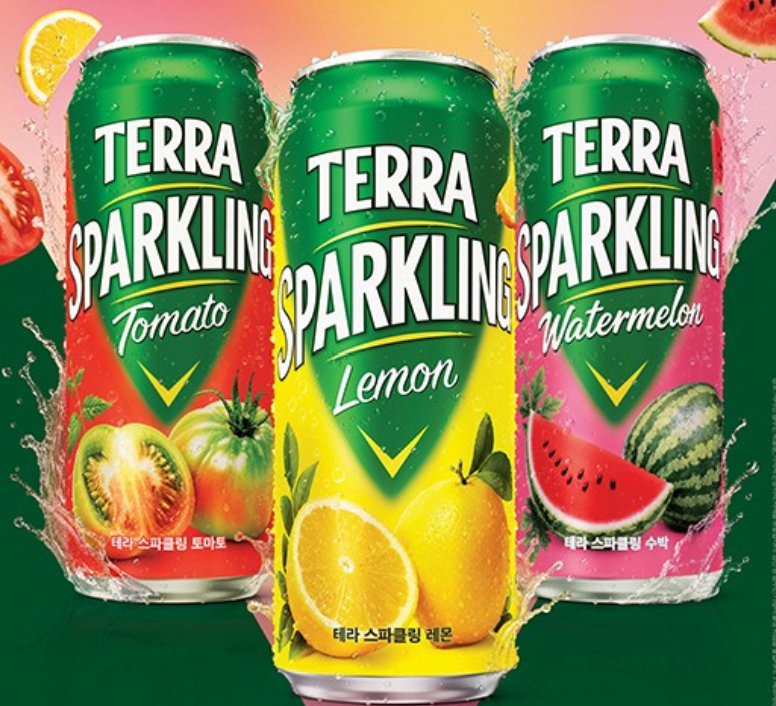
Hite Jinro's Terra Sparkling, launched last month, is a prime example. The fruit-infused sparkling drink uses white wine as its base and is designed to deliver a refreshing, crisp taste. It sold 2.8 million cans within a month of its release, quickly carving out a presence in the market.
Terra Sparkling comes in three flavors — tomato, lemon and watermelon. The tomato variety, at 4.6 percent alcohol by volume, has been particularly popular. It matches the alcohol content of the original Terra beer but replaces the characteristic bitterness with the sweet, tangy taste of tomato and a sparkling finish, lowering the barrier for consumers who are not accustomed to beer.
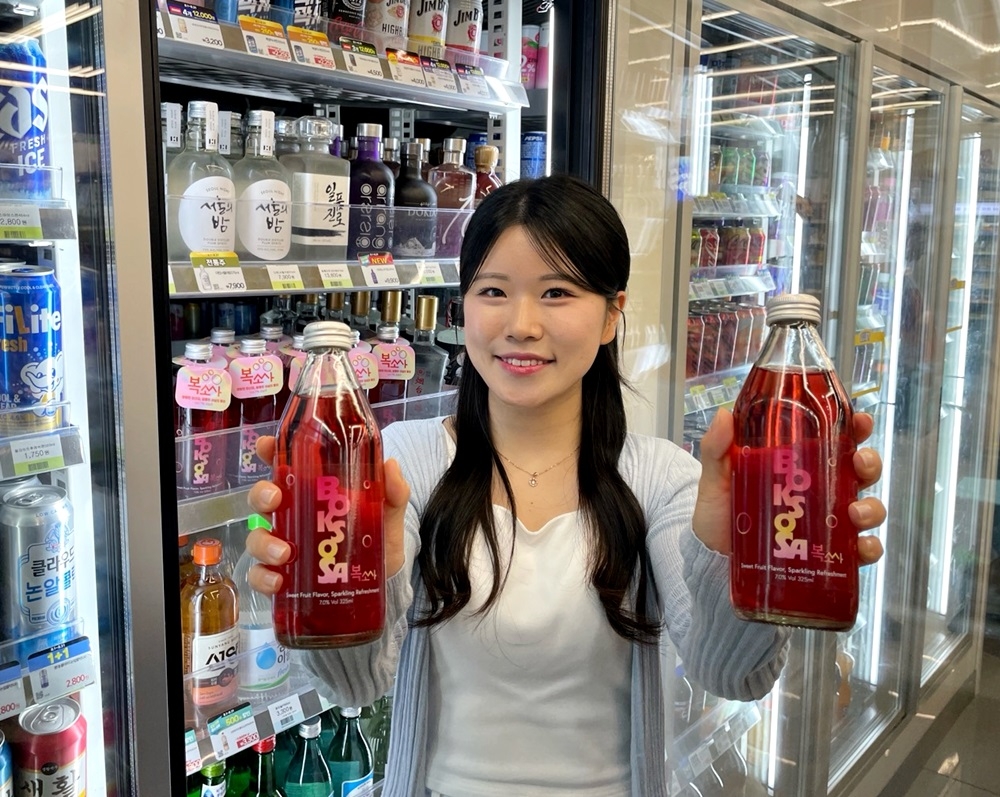
Convenience stores have also been chasing the trend. CU launched its own bottled bokso saju blend, selling 10,000 bottles within two weeks of release. Seven-Eleven has been targeting the premium alcohol segment since last year with "Wine Ball," a product that combines French wine with highball. Four varieties of its Henri Matisse Wine Ball ranked among the top five domestic highball products by sales last year, and the chain added two new moscato-based products last month.
"More and more consumers are choosing drinks based on their personal taste preferences rather than simply going for high alcohol content or large quantities," an industry official said. "The alcohol industry is responding to that demand by introducing a wider range of products featuring fruit and sparkling elements."
Meanwhile, total domestic alcohol shipments fell to 2.988 million kiloliters last year, according to the National Tax Service's tax statistics portal. That marked the first time annual shipments had dropped below 3 million kiloliters since 1998, when they stood at 2.922 million kiloliters — a gap of 27 years. Compared with 2015, when shipments reached 3.804 million kiloliters, the figure has declined 21.5 percent.

siuu@heraldcorp.com