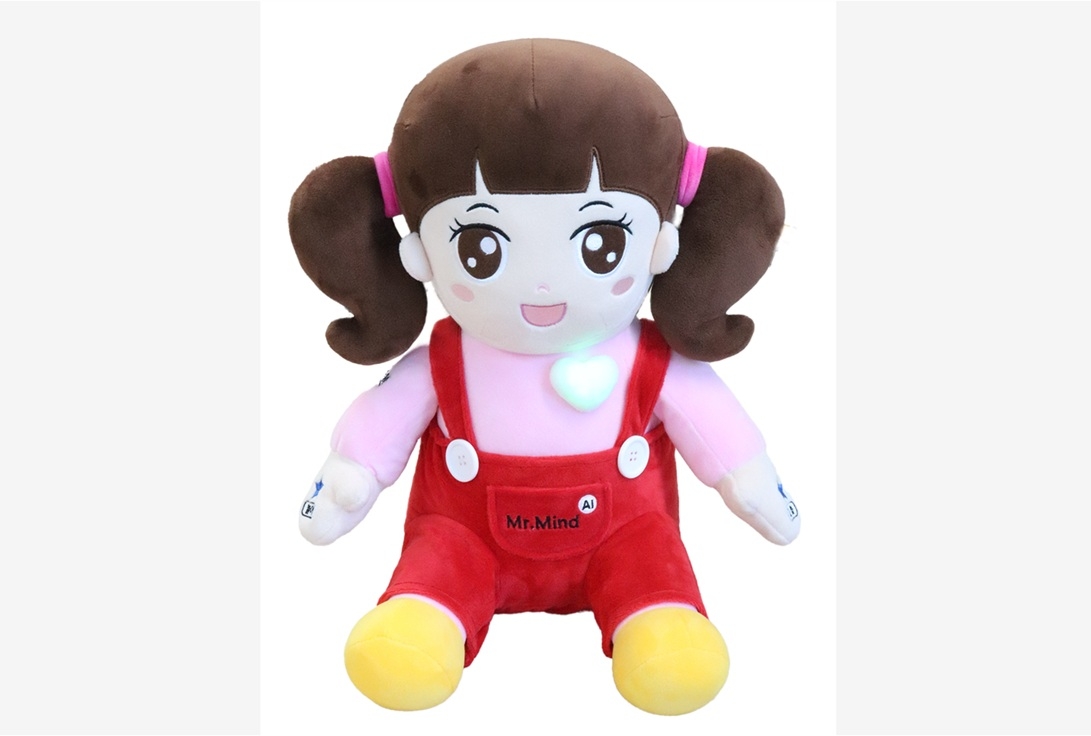
For elderly residents receiving care services in Taebaek, Gangwon Province, an AI companion doll is both a friend and a personal assistant.
The device holds everyday conversations with its owner, offers a range of interactive content, and provides voice reminders for medication schedules, hospital appointments and other personal daily information.
It also alerts care workers when it detects warning signs — such as an emergency call, negative expressions or distress-related words — so staff can review the situation and take any necessary action.
Taebaek plans to go beyond using the AI companion doll as a simple conversation device. Through ongoing monitoring by neighborhood administrative welfare centers and partner organizations, the city aims to identify elderly residents in need of care at an early stage.
Any health, safety or emotional difficulties flagged by the device will be referred to local institutions such as public health centers and welfare agencies, and managed within an integrated support system covering medical care, long-term care and welfare services.
The city currently operates 100 AI companion dolls and announced Friday it will soon expand that number to 200. To prepare for the rollout, it recently held an AI care robot training session for frontline care workers at eight neighborhood administrative welfare centers and the Taebaek City Welfare Foundation.
The training was designed to strengthen workers' ability to operate the devices and manage care recipients, enabling more systematic support for elderly residents who need assistance.
"The AI companion doll is a supplementary care tool that eases loneliness for elderly residents while also detecting small warning signs in their daily lives," a city official said. "We will strengthen our integrated care system so that residents who need help can be identified early through staff training and continuous monitoring, and the necessary health and welfare services can be connected to them promptly."
abc@heraldcorp.com