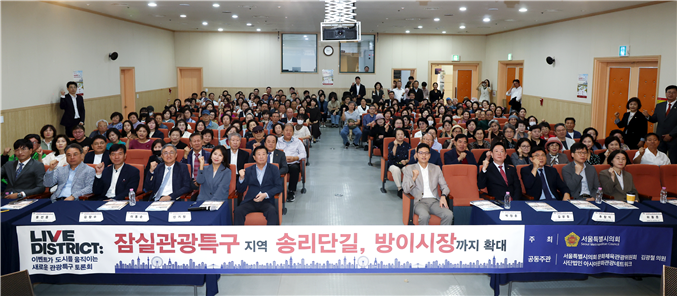
'A career on pause is not a career erased … let's turn experience back into employment'
AI and digital job training expanded; support extended through post-employment career retention
Emphasis on reframing women as 'career-holding,' not 'career-interrupted'; calls for job policy centered on women's lives
Pathways to entrepreneurship and locally tailored jobs: 'Women must be able to work again — and keep working'
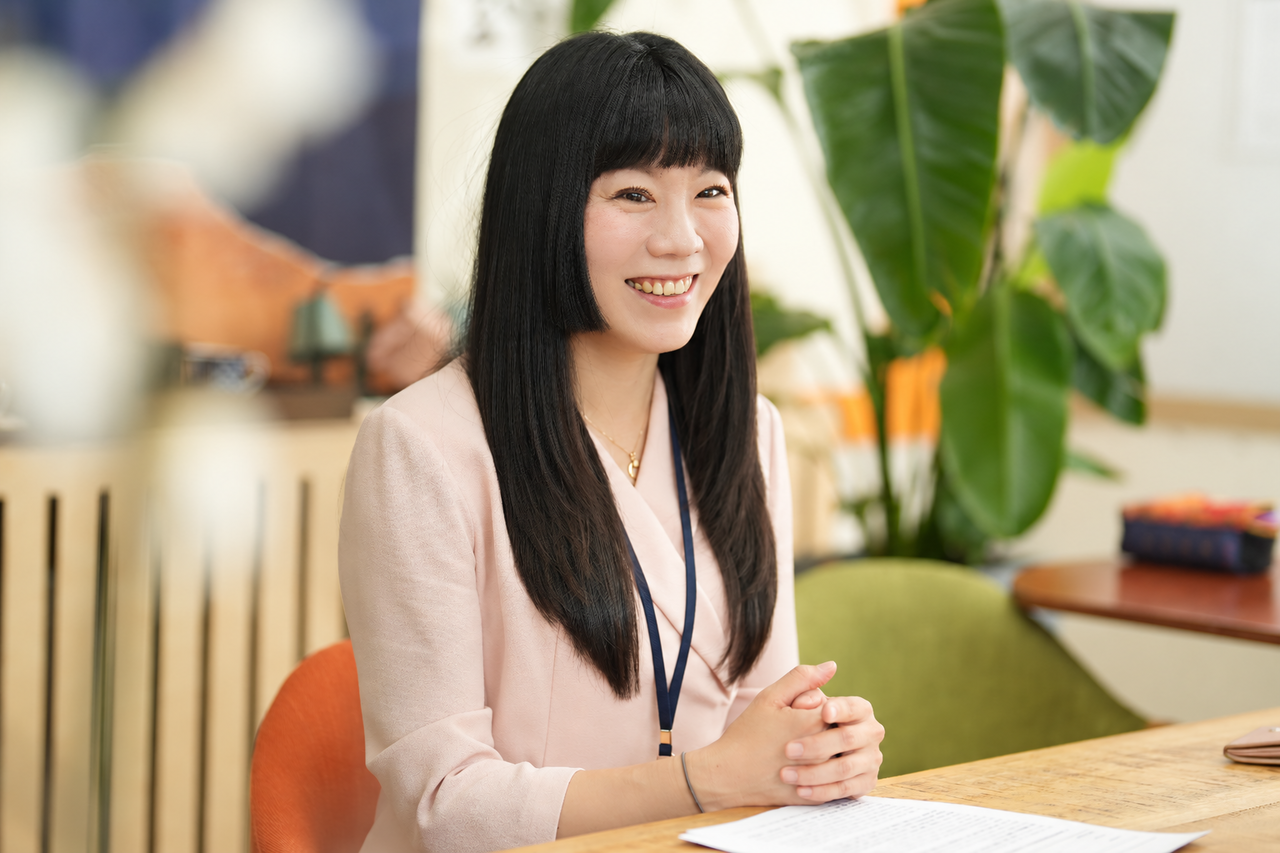
"Time away from work is not time when your abilities disappear. Even then, you are building a sense of responsibility, communication skills and the ability to navigate complex situations."
Kim Bo-ram, director of the Seoul Northern Women's Development Center, said Friday that the way society views women returning to work needs to change first. Rather than labeling them "career-interrupted women," she argued, the focus should be on connecting their existing experience and capabilities to new jobs — treating them instead as "career-holding women."
Kim said periods spent away from the labor market due to childbirth, child-rearing or caregiving should not be dismissed as mere gaps. The professional expertise built before those periods, as well as the practical skills accumulated during them, deserve equal recognition, she said.
The center has been broadening its support framework beyond vocational training alone, linking education, employment, entrepreneurship and career retention into a single continuum. The focus is on helping women enter new fields and sustain their careers stably even after landing a job.
'In the AI era, digital skills are the key to re-employment'
The center is reshaping its vocational training to keep pace with a changing labor market. It has been expanding curricula centered on AI- and digital-based skills — generative AI-powered marketing, AI-assisted career counseling, big data analytics marketing, e-commerce entrepreneurship, digital content creation, and K-beauty and wellness.
"The greatest danger is not being unfamiliar with technology — it is defining yourself as someone who has nothing to do with technology," Kim said. She stressed the importance of helping women apply AI and digital tools to real work tasks.
She also said generative AI training must go beyond teaching people how to use a tool. Technology becomes a genuine professional asset only when it can be applied throughout actual work processes — market research, customer analysis, brand planning, marketing and content creation.
For career-holding women in particular, Kim said, digital competency can lower the barrier to re-entering the labor market. Adding new technical skills to an existing professional background allows women to expand into different roles, widening the range of jobs available to them.
In the re-employment process, she said, individualized career planning matters more than one-size-fits-all training. Finding work that is realistically sustainable requires looking at a person's prior career, aptitudes, daily schedule and income goals together.
She also called on companies to rethink how they evaluate candidates. Rather than viewing a career gap negatively on its own, employers should assess the professional expertise built at previous jobs alongside the skills developed during the time away, she said.
"Getting a job is not the end of returning to a career — it is the start of a new one," Kim said. "We need to look beyond how many people we placed in jobs, and ask how long they are staying, whether their employment conditions are improving and whether their professional skills are growing."
To that end, she said, there is a need to strengthen post-employment re-counseling and additional training, as well as reskilling and upskilling programs for women already in the workforce. She also called for supporting companies that hire women workers with measures such as flexible work arrangements and improvements to organizational culture.
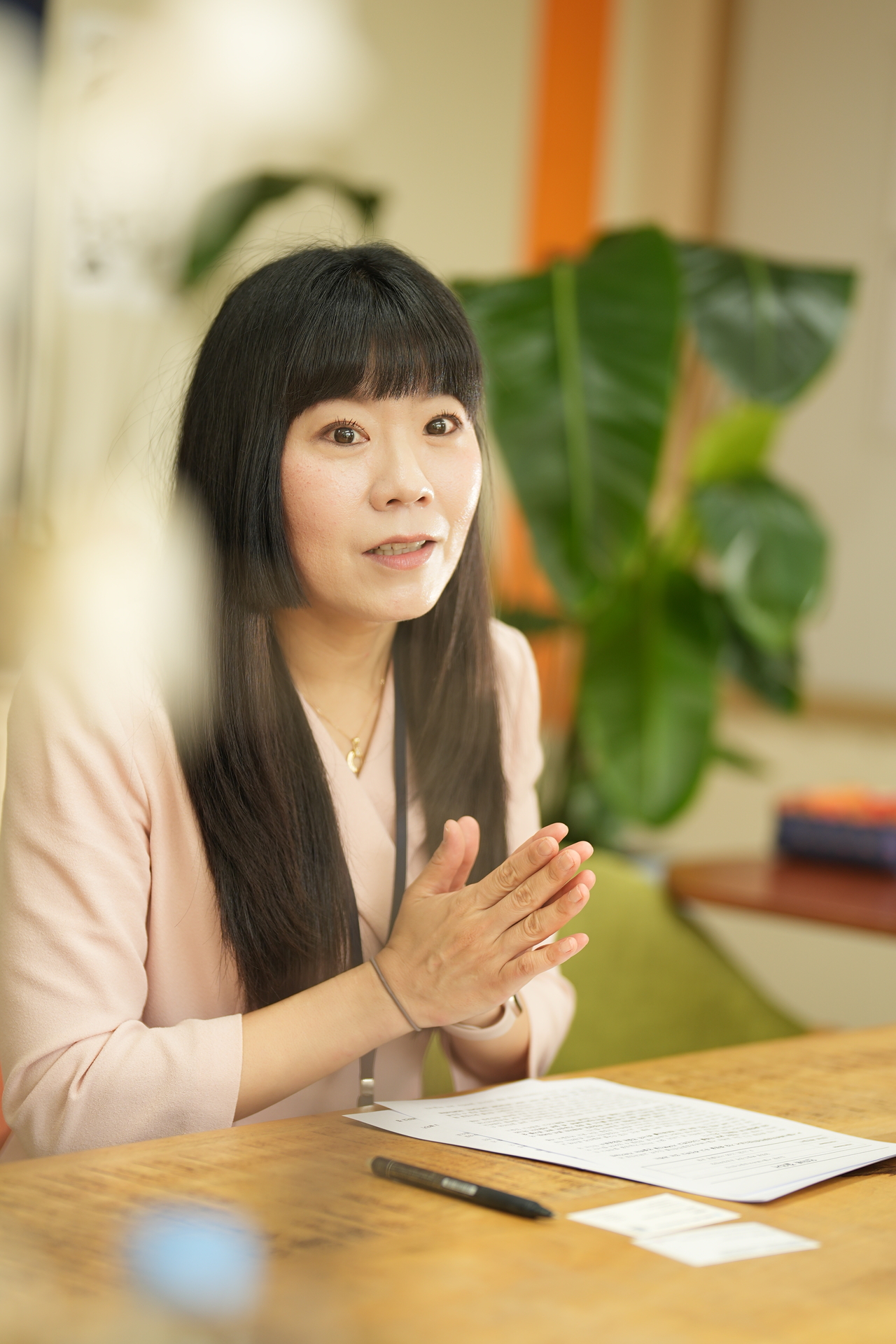
'Beyond placement numbers — building a structure where women can work long-term'
Women's employment policy must also be tailored to the industrial landscape and living conditions of each locality, Kim stressed.
Northern Seoul has strong demand in education, healthcare, welfare, caregiving and everyday services, and is home to a concentration of universities, public institutions and neighborhood small businesses. Rather than supplying uniform vocational training programs, she said, the approach should connect training and hiring directly to the fields where the area actually needs workers.
"Women's employment policy should not be about fitting women into existing jobs," Kim said. "It should be about placing women's lives at the center and designing good jobs around them from the ground up."
She also said expanding jobs that allow women to learn, work and build careers close to home is essential, since the distance between home and workplace directly affects whether women can sustain economic activity. For women who must balance caregiving with work, commute time and working arrangements are practical factors that determine whether a career can continue, she said.
On women's entrepreneurship, Kim said support that connects participants all the way to market entry matters more than training alone. Viability improves only when the process goes beyond writing a business plan to validating customers and markets and securing first sales and distribution channels, she said.
For early-stage entrepreneurs, she said, creating an environment where they can reduce trial and error and establish themselves in the market requires linking mentoring, networking and sales-channel support in stages.
Kim said women's employment policy must not stop at simply increasing the number of people placed in jobs. What matters, she said, is building a structure in which women's experience is connected to new roles and their careers can continue stably after employment.
"What women need is not a demand to start over from scratch, but a bridge that connects their experience so far to the next opportunity," she said. "Helping women not just return to work but keep working and sustain their careers over the long term — that is the center's role."
7toy7@heraldcorp.com